-
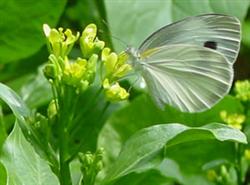
How to grow strong rapeseed seedlings? Master these key seedling-raising techniques
The rapeseed white butterfly, scientific name Artogeia (Pieris) rapae (Linnaeus), belongs to Lepidoptera, Pieridae. Synonym Artogeia rapae (L.). Also known as the cabbage white butterfly, white butterfly. The larva is called the cabbage caterpillar. It is distributed throughout the country. Its hosts include rapeseed, cabbage, cauliflower, Chinese cabbage, radish and other cruciferous vegetables...
-

What are the causes of stiff seedlings in rapeseed and the control methods?
Causes of stiff seedlings in rapeseed and control methods
-

-
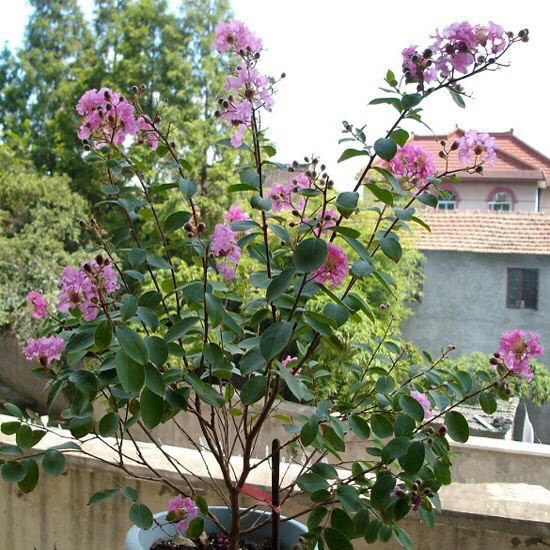
You can grow crape myrtle as a potted plant from seeds or cuttings, and it blooms beautifully in summer and autumn.
Crape myrtle, also called the crape myrtle tree, has many interesting names too, such as hundred-day red, itchy flower, itchy tree and so on. It is a deciduous shrub and can grow into a fairly tall plant, generally at least 1 m high. It blooms quite a lot, flowering all summer in summer...
-
How to manage newly planted grapevines? These technical points need to be mastered
For grapes planted in the same year to bear fruit early and produce a high yield, the following measures should be carried out well in cultivation and management: Fertilization should be frequent and light. During the grape growing season, fertilization should be done frequently and lightly to reduce fertilizer burn and waste, thereby promoting good growth and development of new shoots and laying a solid foundation for early shaping, early fruiting, and high yield...
-
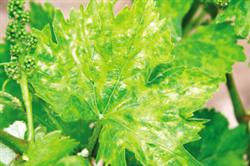
When grape thinning of flowers and fruit is done well, the yield is naturally high
First, pay attention to strengthening the management of fertilizer and water; second, keep the damaged leaves on the plant appropriately for a period of time. It takes about one month for new lateral branches to grow. The leaves of the new lateral branches can replace the diseased leaves in photosynthesis, alleviating the phytotoxicity. After spraying grapes, observe in the orchard at any time, and if abnormal patches and plants are found...
-
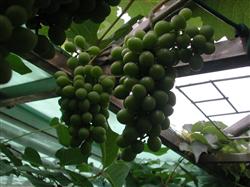
The best time, purpose and methods for thinning grape flower clusters explained
Pinching the tips of grape flower clusters: grape vines produce many flower clusters, which easily consume a large amount of nutrients and reduce the fruit set rate. Pinching off the tips of the flower clusters can reduce the number of flowers, lessen competition for nutrients, and increase the fruit set rate. The best time for pinching the tips is one week before flowering, and it should be finished by the time flowering begins. First pinch off the secondary clusters, then pinch off 4-5 lateral branches on the main axis, leaving...
-
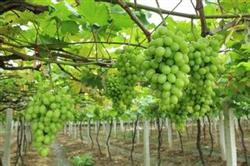
How to scientifically apply potassium fertilizer during the middle and late stages of grape growth
Potassium fertilizer is very important throughout the entire growth period of grapes, especially during fruit development when the demand is even greater. Therefore, grapes are known as a "potassium" crop. Potassium fertilizer can promote grape fruit enlargement and ripening, improve variety quality and storage tolerance, promote branch thickening and maturation, and enhance their cold resistance, drought resistance, high...
-
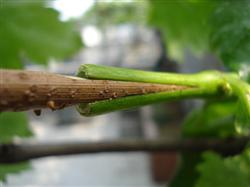
Detailed Explanation of the Technical Points of a New Method for Green Branch Grafting of Grapes
Green branch grafting of grapes is a good method for rapid seedling propagation and for top-working old vines for renewal. The grafting time is in the slack farming season after summer sowing. Using lignified green branches, the grafting survival rate can reach over 95%. Each person can graft 500 to 800 seedlings per day. The new shoots that sprout after grafting can lignify before autumn, can overwinter safely, the graft union heals well, and the seedling quality...
-
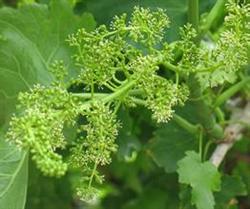
Two Techniques for Thinning Grape Inflorescences
A grape inflorescence may contain 300-1500 flowers, and most of the flowers and berries will drop during fruit set. Therefore, thinning the inflorescences retained on the fruiting canes can strengthen the development of the remaining flowers. 1. Removing inflorescences. This refers to removing the entire inflorescence from the fruiting cane. When the vine has a heavy crop load and too many inflorescences, it is necessary to...
条件筛选