-
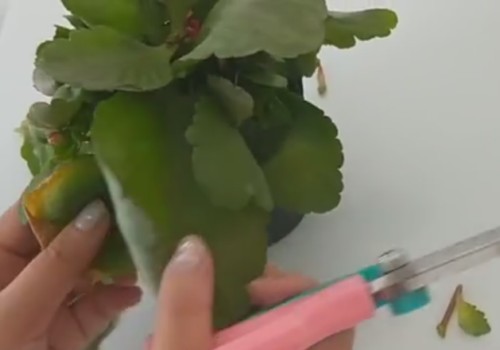
Pruning Yellow Leaves and Cultivating Strong Seedlings in Potted Kalanchoe
After the potted kalanchoe at home finished blooming, the editor promptly carried out the necessary pruning, mainly removing the spent flowers. But now yellow leaves are appearing again, so we need to prune it once more. So how do you prune a potted kalanchoe with yellow leaves
-
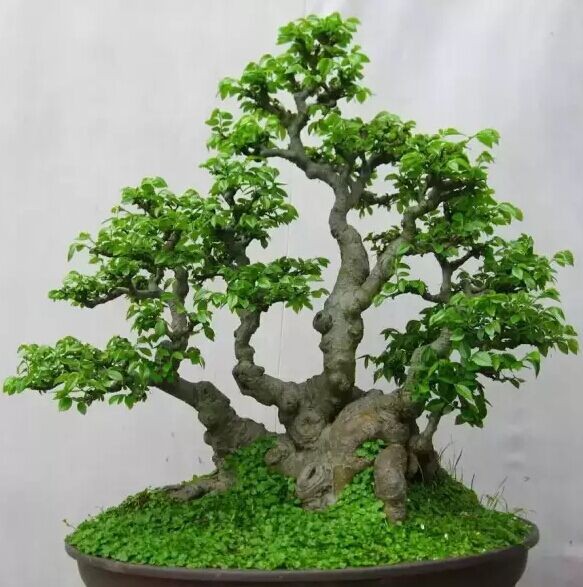
Pruning Methods and Techniques for Elm Bonsai
Deciduous tree, up to 25 m tall, 1 m in diameter at breast height, becoming shrub-like on dry, barren ground; bark of young trees smooth, grayish brown or light gray, bark of mature trees dark gray, irregularly deeply fissured, rough; branchlets glabrous or pubescent, pale yellowish gray, pale brownish gray or gray, rarely pale brownish yellow or yellow, with scattered lenticels
-
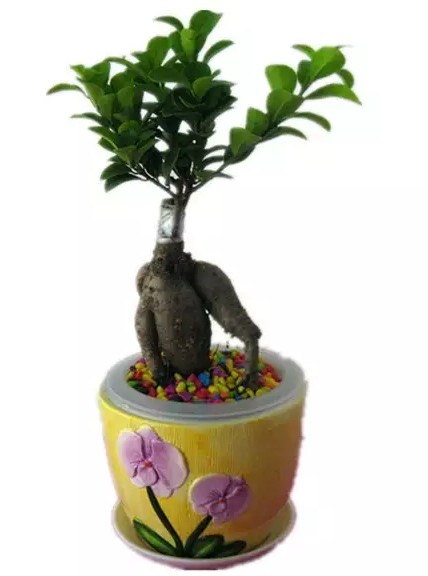
A Detailed Guide to Pruning and Shaping the Ginseng Ficus Bonsai
When shaping a ginseng ficus bonsai, the main effort should go into raising the roots so that they form a suspended, claw-like display. Of course, the branches, trunk and leaves cannot be neglected either, since they are an inseparable whole of a single tree. The branches and leaves are usually shaped in a clearly layered, naturalistic style. Ficus branches are soft and flexible, so the wiring time is longer than for most trees
-
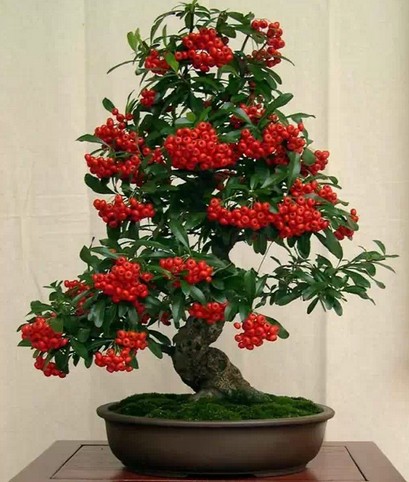
Detailed Explanation of the Coarse Wiring and Fine Pruning Shaping Method for Firethorn Bonsai
For firethorn bonsai, the shaping method of coarse wiring and fine pruning should be adopted, generally carried out in autumn. First, use wire or palm fiber to coarsely wire the trunk into different forms such as a slanting trunk or a lying trunk, and after cultivating for a period, prune and shape the pad layers of the bonsai according to the design, so that the entire tree form has distinct layers and verve. Firethorn is very particular about pot selection
-
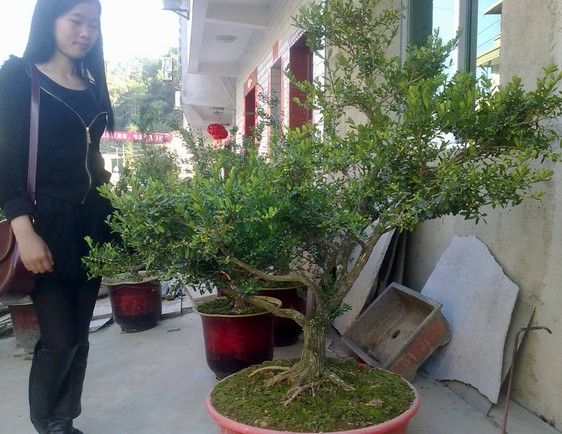
Detailed Explanation of Pruning Techniques for Boxwood (Buxus sinica) Bonsai
Boxwood bonsai materials are mostly taken from wild old stumps growing by the water. With their small evergreen leaves and slow growth that is not easily deformed, they have become artistic treasures. Purple clay pots are commonly used, with pot colors mostly purple or light yellow. The pot shape is determined by the styling form: for cascade style, a deep cylindrical pot is suitable; for slanting style or curved trunk style, an oval or rectangular pot is used.
-
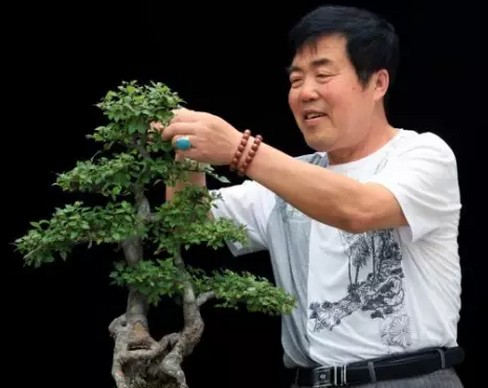
A Complete Guide to Bonsai Pruning Techniques and Methods
A tree-stump bonsai that has already been shaped by wire training or that has naturally good form will often grow many new branches. To maintain its perfect posture, the bonsai must be pruned regularly; otherwise it will gradually lose its layers, become out of proportion, and its tree form will become disordered. 1. Promptly prune away useless branches
-
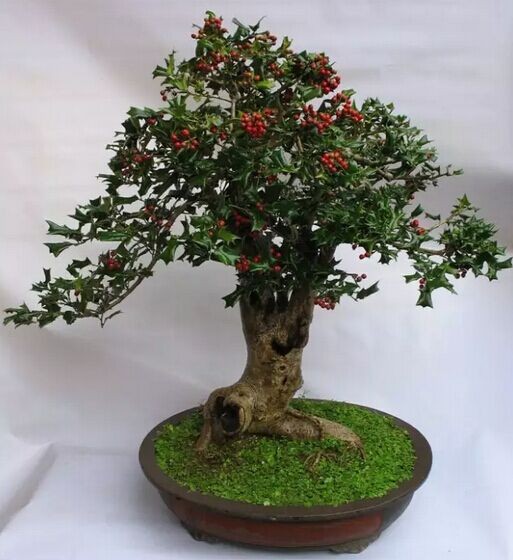
Detailed Guide to Pruning and Shaping Chinese Holly Bonsai
Gougou, namely Chinese holly, scientific name: Ilex cornuta, also known as cat's thorn, tiger thorn, octagonal thorn, bird's roost, dog-bone thorn, cat's fragrance, mouse tree, etc. It is an evergreen shrub or small tree, with peculiar leaf shapes, bright green and glossy, evergreen all year round, covered with red fruits after autumn, not withering through winter, gorgeous and lovely
-
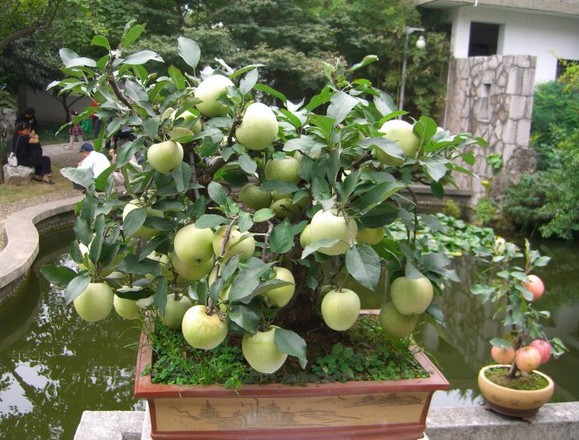
Detailed Explanation of Winter Pruning Methods for Fruit Tree Bonsai, Beginners Can Learn Too
Winter pruning, also called dormant-season pruning, refers to pruning during the dormant period from after the fruit tree sheds its leaves until spring flower buds begin to swell. The so-called winter pruning keeps the tree vigorous because at this time most of the nutrients have already been transferred from the branches and leaves to the main trunk and roots of the fruit tree for storage, so pruning causes the least nutrient loss to the fruit tree and less damage to the tree body.
-
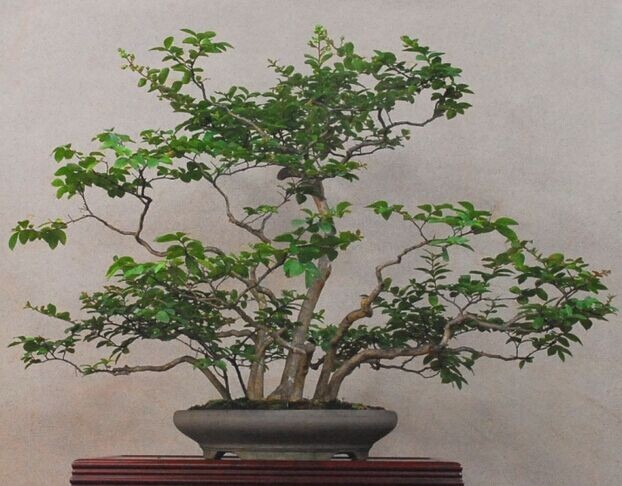
Detailed Explanation of Pruning and Shaping Methods for Crape Myrtle Bonsai
Crape myrtle (Lagerstroemia indica) is tolerant of pruning, has strong branching ability, and produces a large amount of new shoot growth. Therefore, after flowering, the spent flowers should be cut off, which can extend the flowering period. Sucker branches, overlapping branches, crossing branches, radiating branches, and diseased branches should be removed at any time to avoid consuming nutrients. Pruning and shaping: 1. General pruning and shaping of crape myrtle bonsai
-
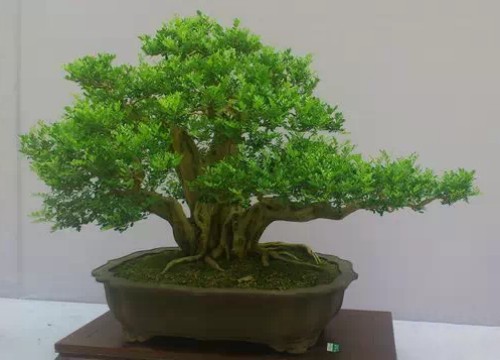
How to prune a Murraya paniculata bonsai? Detailed pruning methods
After the Murraya paniculata (orange jasmine) has taken shape, it continues to grow. If it is allowed to grow naturally without restraint, it will inevitably affect the tree's form and cause it to lose its artistic value. Therefore, it must be pruned in time: long branches cut short, dense branches thinned, to maintain a graceful tree form and appropriate proportions. This is especially true because Murraya paniculata has strong sprouting ability; to maintain a certain tree shape
条件筛选