-
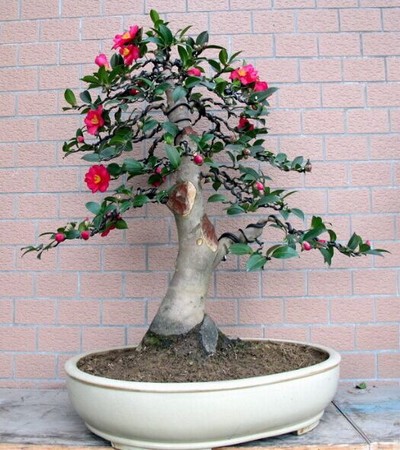
How to prune a Camellia sasanqua bonsai? Detailed pruning methods
Camellia sasanqua bonsai can be pruned and shaped all year round. By season, pruning can be divided into spring pruning, summer pruning, autumn pruning and winter pruning. With winter and spring pruning and shaping, the pruned branches have a strong ability to sprout, so after pruning there are often more young shoots that emerge. Therefore
-
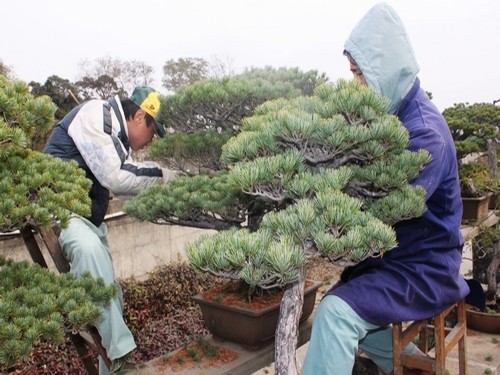
A Complete Guide to Pruning Methods and Techniques for Five-Needle Pine Bonsai
The styling techniques for five-needle pine bonsai share common ground with those for other tree bonsai, yet they also have their own particular characteristics. They should feature naturally adopted forms and well-judged choices of what to keep and what to remove; pruning and branch training should achieve a balanced layout, with an elegant and classical, understated tone. The artist's creative range must be broad: first comes artistic conception, then working out the draft in mind, and determining the theme
-
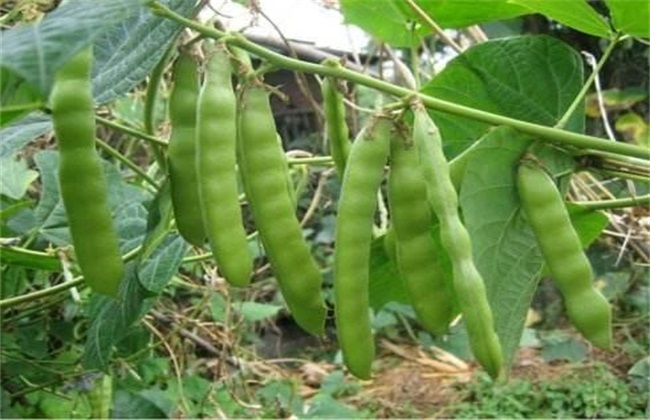
Pruning methods for jicama vines: a step-by-step guide to correctly pruning the vines
Pruning methods for jicama vines
-

Honeysuckle Bonsai Pruning Methods and Techniques
Pruning honeysuckle is an effective technical measure for regulating stem and vine growth, promoting flower bud differentiation, extending plant lifespan, and maintaining stable high yields. Pruned honeysuckle generally increases yield by 35-45%, with some reaching more than double. For honeysuckle plants entering the aging stage, after pruning measures are taken
-
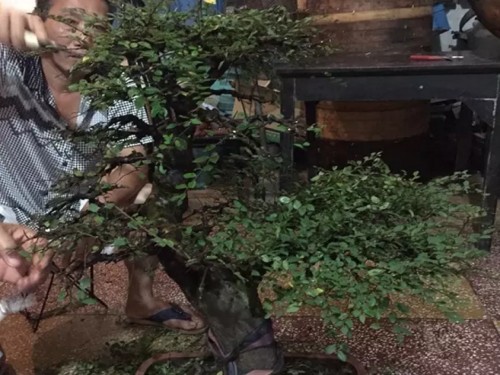
How to prune tree stump bonsai? Detailed explanation of pruning methods and techniques
Tree stump bonsai is a living work of art made by planting old woody plants in pots and, through years of artistic processing such as pruning, wiring, and fertilizing, plus meticulous management, giving the trunk rugged strength and the branches and leaves lush green foliage. It does not take its final form from the initial artificial shaping, but instead grows and changes continuously according to natural laws, therefore
-
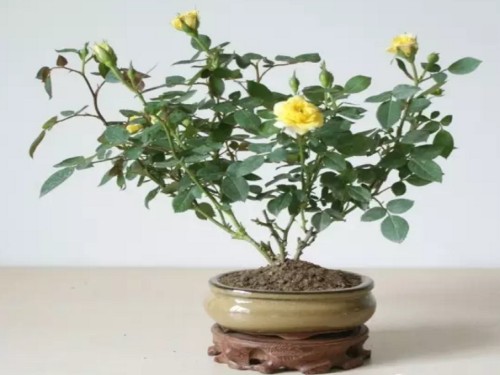
How to Prune Roses - Pruning Methods for Potted Roses
Pruning is one of the important measures in rose management. Pruning must be carried out at every stage of growth to ensure abundant flowers and lush foliage throughout the four seasons. During the growing season, bud thinning, bud pinching and removal of spent flowers should be carried out. Bud thinning means removing the excessive young shoots that grow in spring, keeping 2 to 3 on the main branches and removing all the rest.
-
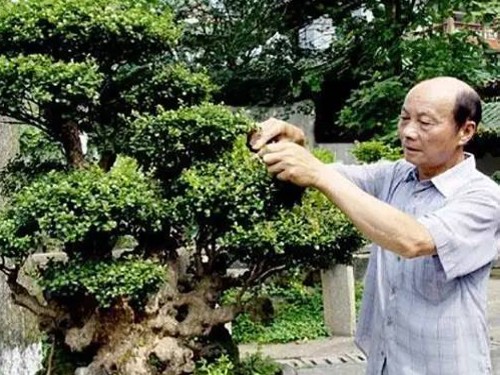
Detailed Explanation of Daily Pruning Techniques and Methods for Bonsai
Daily sporadic pruning of bonsai refers to timely pruning during routine maintenance. Bonsai tree stumps cultivated from shrubs have a clumping growth habit; in bonsai styling, they can be trained into "small trees" to enhance their ornamental effect, so that what was originally a small shrub appears in the pot in the form of a "towering tree." For the raw material
-
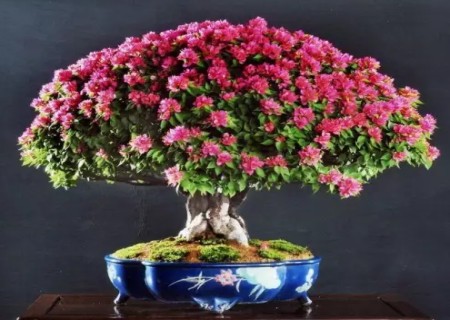
How to prune a bougainvillea bonsai? A detailed guide to pruning methods
It is flower-viewing season once again. The bougainvillea blossoms dotting the green foliage burn like clusters of flames and dance like butterflies of every color. The golden sunlight brushes the petals with a faint gilding, radiating the vitality of life. Bougainvillea, also known as rhododendron and paper flower, is extremely beautiful
-
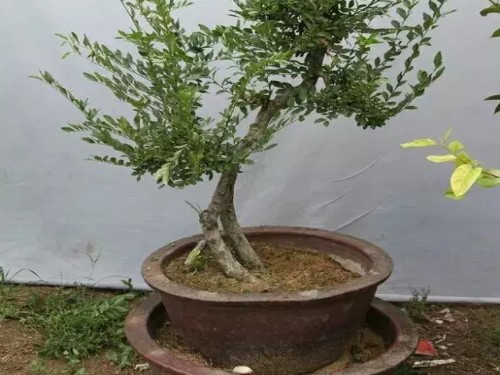
How to prune a Chinese elm bonsai? Detailed pruning tips and methods
The Chinese elm trunk is slightly curved, the bark is mottled and elegant, the small branches droop gracefully, and the leaves turn red in autumn. It is a good ornamental tree and a species for factory greening and roadside greening, often planted as a solitary specimen to form a landscape, suitable for planting beside ponds and near pavilions, and can also be placed among rocks, except that it has relatively many pests and diseases. It has strong sprouting ability and is a good material for making bonsai
-
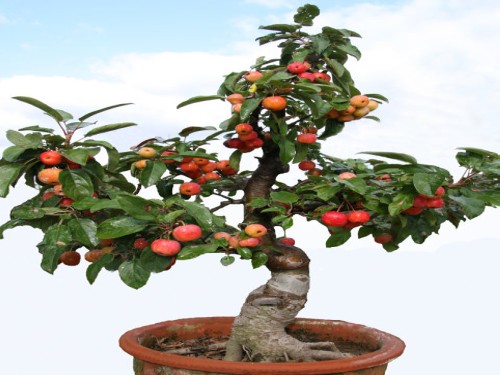
How to prune a winter red fruit bonsai? Detailed pruning methods and techniques
Winter red fruit is a variety of apple. Its tree form is compact, its branches are covered with light pink flowers in spring, and in autumn and winter the tree is covered with exquisite, lovely fruits whose shape closely resembles apples. It is suitable for garden planting or potted ornamental display and for making bonsai. Sometimes, for ornamental purposes, part of the winter red fruit is left unpruned
条件筛选