-
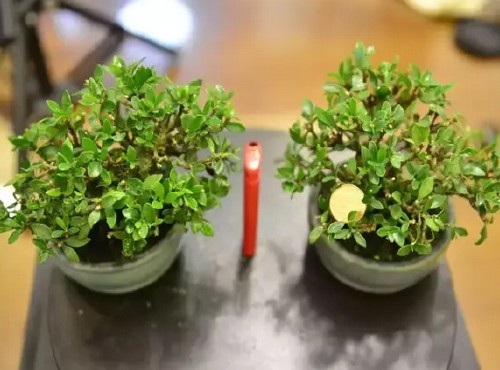
Detailed Guide to Leaf-Control Pruning Methods for Gardenia Bonsai
Gardenia is a fairly easy bonsai species to get started with. It tolerates pruning well, full sun is no problem, and growing it in shade rarely causes major issues (it just grows poorly). It tolerates waterlogging, so heavy watering and heavy feeding are fine, and a bit of dryness is fine too. When it comes to Japanese shohin bonsai, players generally choose it for 2 reasons. First, the cultivars are impressive, so they play for the cultivars. Second
-
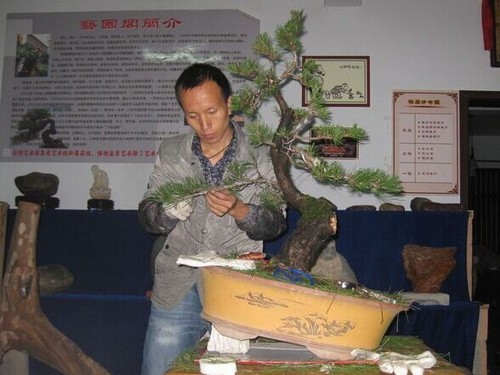
A Detailed Guide to the Pruning and Styling Methods for Black Pine Bonsai
The pruning and styling of black pine bonsai is mainly achieved through pruning and wiring; methods such as grafting and forcing buds on young shoots can only serve as auxiliary techniques. The black pine to be styled must have already been cultivated for 1-2 years: the best time for styling is from December to February of the following year.
-
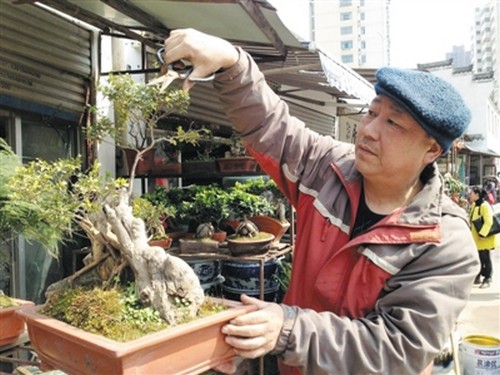
How to Prune Azalea Bonsai? Detailed Pruning Methods and Techniques
Pruning and shaping is an important measure in daily maintenance and management work, as it can regulate growth and development, thereby promoting vigorous growth. Daily pruning requires cutting off a small number of diseased branches and weak old branches, and removing some overly dense branches according to the tree crown shape to increase ventilation and light penetration, which benefits plant growth. For azalea gardens, frequent inspections are necessary
-

Bonsai pruning methods vary according to the characteristics of the plant
Although bonsai trees have undergone intentional shaping by people, they have still not lost their life and will continue to grow. If not pruned, they will inevitably affect the tree's form and lose their artistic value. Therefore, timely pruning is necessary: long branches should be cut short, and dense branches should be thinned out, so as to maintain a graceful tree form and appropriate proportions.
-
What are the pruning methods for juniper bonsai?
Juniper, as the name suggests, is a cypress with truly excellent qualities and the most beautiful variety, regarded as the king of cypresses in the Japanese bonsai world and deeply revered. According to reference materials, the juniper commonly seen in bonsai circles is actually a variety of alpine juniper, and most are deep-mountain junipers. Juniper is one of the excellent materials for making bonsai, with dense branches and fine leaves
-
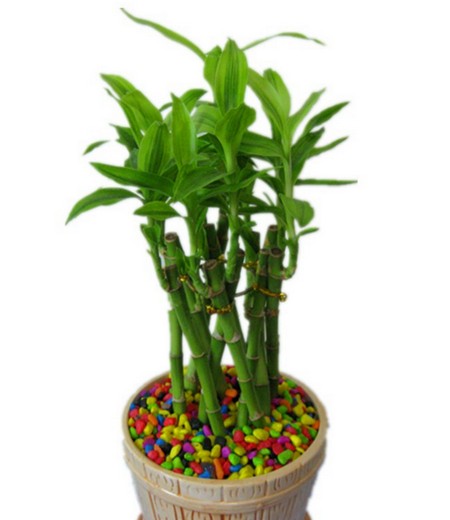
Pruning Methods and Precautions for Lucky Bamboo Grown in Water
Lucky bamboo is also called wan shou bamboo. The plant stands tall and graceful, fresh and green, with lance-shaped green leaves that spread out freely, and its appearance is very elegant. Its stems and leaves closely resemble emerald bamboo, staying green through winter and summer. If grown as a potted plant to decorate a hall or study, its green shadows sway and it looks fresh and serene, bringing people a sense of good fortune.
-
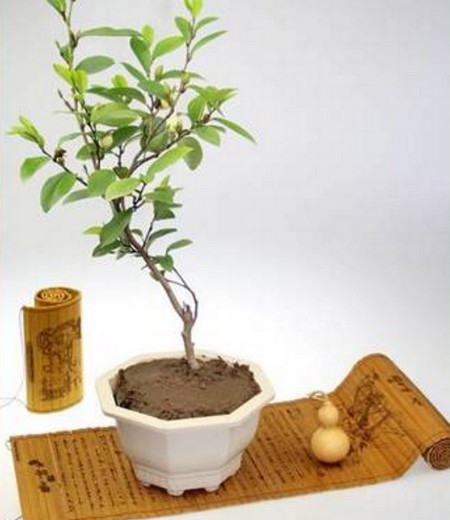
Detailed Guide to Pruning Methods for Banana Shrub (Michelia figo) Bonsai
Banana shrub (Michelia figo) prefers light shade, is not tolerant of drought or exposure to the sun, favors deep, fertile, acidic soil, can withstand cold, and is best planted in a slightly sheltered spot. The fertilizer and water management for potted banana shrub is similar to that of wintersweet (Chimonanthus praecox), except that it is more shade-tolerant than wintersweet and requires higher air humidity and soil moisture. When the temperature is high, its flowers give off a strong banana scent.
-
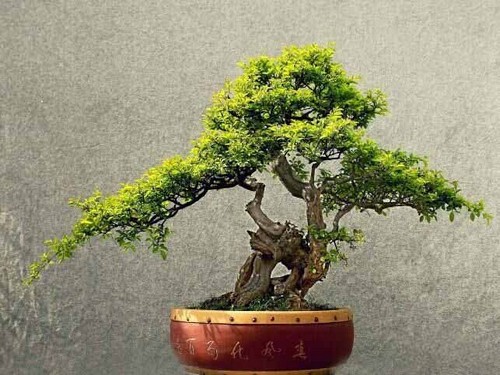
How to prune a Chinese sweet plum bonsai? Detailed pruning methods and techniques
In gardens, the Chinese sweet plum can be used as a hedge or vertical greening material, and it is also suitable for planting among rocks. This plant is extremely adaptable and not demanding about soil; it can adapt to acidic, neutral and calcareous soils, and it is drought-tolerant, tolerant of waterlogging and tolerant of poor soil.
-
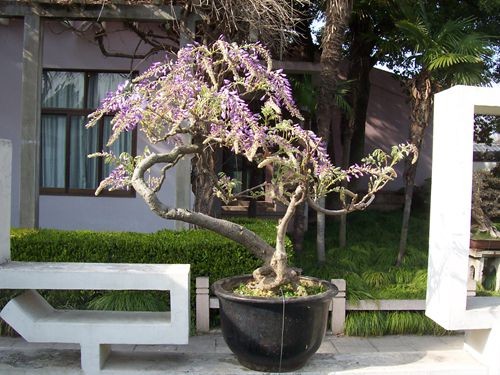
Detailed Explanation of Wisteria Bonsai Pruning Techniques and Methods
Common styles for wisteria bonsai include curved-trunk, slanting-trunk, weeping-branch, cascade, waterside, and rock-clinging forms; the style can be chosen according to the different shapes of the stump. Because its leaves are relatively large, the crown is usually trained in a natural style rather than being wired into cloud-pad shapes. The training method relies mainly on pruning
-
Pear Bonsai Pruning Methods and Techniques Explained
Pear trees are suitable for making many different bonsai styles, such as the formal upright style, slanting style, curved-trunk style, double-trunk style, forest style, semi-cascade style, and trunk-on-rock style. Because the leaves are relatively large, the crown is mostly shaped naturally rather than being wired into flat pads. Because pear trees grow vigorously, with a large amount of annual growth, and the top shoots develop strongly,
条件筛选