-
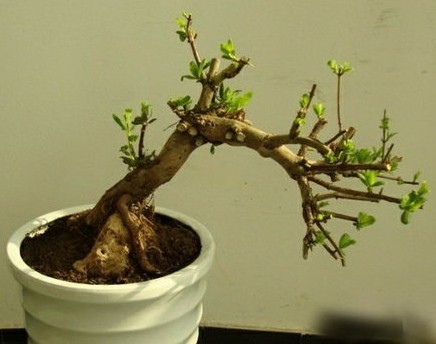
Detailed Explanation of Processing and Shaping Techniques for Honeysuckle Bonsai
Honeysuckle (Lonicera japonica) is a temperate and subtropical tree species. It likes sun but also tolerates shade, tolerates cold, tolerates drought and moisture. It is not demanding about soil and can adapt to both acidic and alkaline soils, but prefers loose, fertile, neutral sandy loam. It is vigorous, has a well-developed root system, strong sprouting ability, a light and graceful plant body, and an elegant posture, while old stumps are quaint and classic.
-
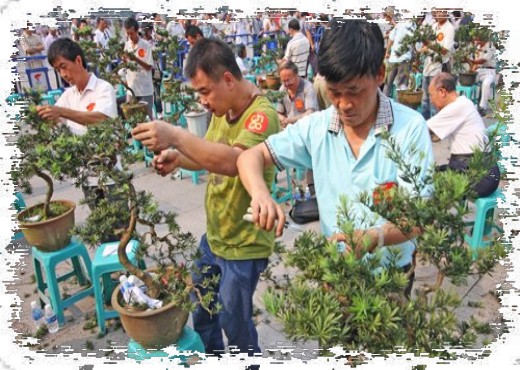
A Detailed Guide to the Processing and Shaping Methods for Bonsai Tree Stock
Seedlings grown from a young age generally begin to be processed and shaped after about 3 to 5 years; for tree stumps collected from the mountains and wilds, most can be processed and shaped after just one year of stock cultivation. Before processing, field-grown tree stock can be dug up and temporarily planted in a pot of basically suitable size, to make it easier to work with and shape. Large tree stock can also be processed and shaped on the spot.
-
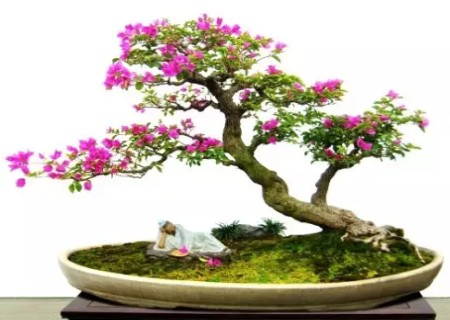
How to prune a bougainvillea bonsai? With pruning process photos
People want their potted flowers not only to bloom abundantly, but also to have an attractive plant shape when blooming. Pruning is what achieves an organic combination of potted flowers and bonsai, giving the bougainvillea (Bougainvillea spp.) potted plant a touch of bonsai character, so the plant shape can be enjoyed at ordinary times. Today I will explain how to prune a potted bougainvillea. Bougainvillea has a long growing season and a fast growth rate.
-
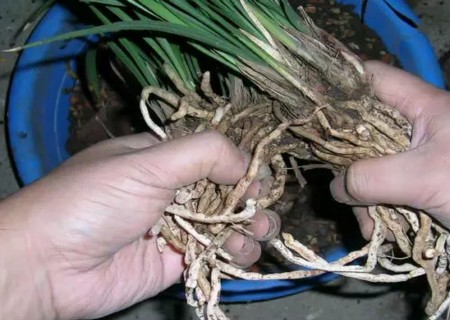
How to divide a potted Clivia (Kaffir lily) by division? A full process in pictures
At the right time, cutting the axillary buds growing at the junction between the pseudobulb and the roots of the Clivia away from the mother plant and growing them separately is called Clivia division propagation. Clivia has strong adaptability and regenerative ability; a mature potted Clivia often produces several, or even a dozen, axillary bud seedlings in a year
-
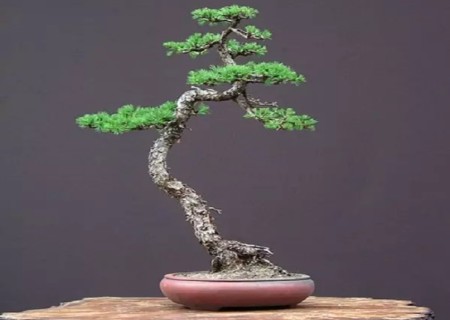
Illustrated guide to the whole process of styling a literati tree bonsai, teaching you step by step
Literati trees often use vivid, distinctive, fresh and exquisitely skilled artistic imagery to give the best interpretation of the lofty, proud aspirations, the solitary elegance and the untrammeled, independent humanistic spiritual pursuit of Chinese intellectuals since ancient times; literati trees are more about expressing oneself, while Suren style is more
-
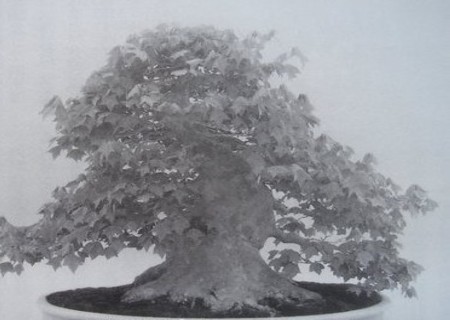
How to prune a maple bonsai? The whole process explained with illustrations so you understand at a glance
The best viewing period for maples is when the new leaves have just unfurled. If all the leaves are removed in late summer and a thin, diluted application of decomposed liquid fertilizer is given, new leaves will grow in about 20 days, adding another best viewing period. Maples have strong sprouting vigor and often produce new buds on the trunk. Any buds not needed for the design and any overly dense branches
-
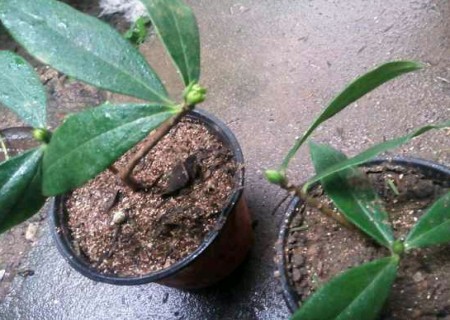
How to Propagate Daphne by Cuttings? A Step-by-Step Illustrated Guide to the Whole Cutting Propagation Process
Daphne is mostly propagated by two methods: cuttings and air layering, among which cuttings are the main propagation method, and it can usually be done in spring, summer and autumn. Spring cuttings are best done in February-March; summer cuttings are best done in June-July; autumn cuttings are best done in August-September. But no matter which season you take cuttings in
-

A detailed guide to the whole process of rose cuttings, with step-by-step illustrations
Roses can be propagated from cuttings in all four seasons. In spring and summer, softwood cuttings can be used for propagation, while in autumn and winter, hardwood cuttings are mostly used. Below is a detailed illustrated guide to the cutting process for getting roses to root quickly, shared by the editor, in the hope that it will help everyone with rose cuttings: Preparing materials
-
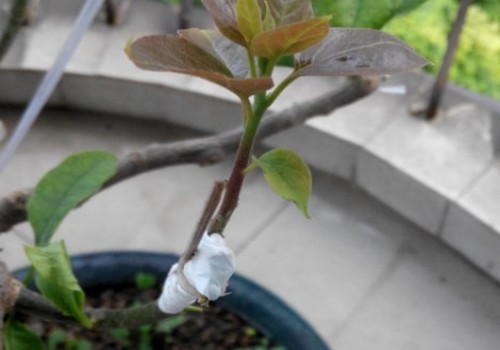
Bougainvillea Bud Grafting Method and Process Illustrated
Bougainvillea has many varieties and very rich flower colors. If we can get multiple bougainvillea varieties to bloom on a single plant, it will not only bring a very magical effect, but the ornamental value will also be better than the flowering effect of a single variety. Let potted bougainvillea bloom with bright flowers of various colors
-
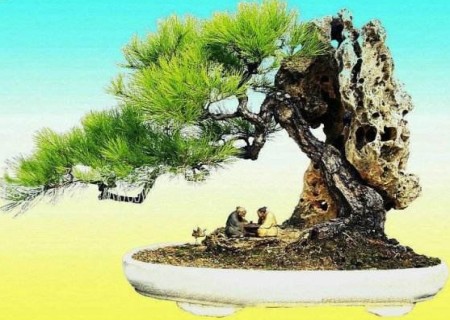
How to make a root-on-rock bonsai? Detailed step-by-step illustrated guide to the whole process
Generally, stump bonsai are made by planting the tree stump directly in the potting soil, which makes them relatively easy to create and care for. But if the stump looks as if it grew on and from the rock, that is a distinctive root-on-rock style stump bonsai. There are many kinds of ornamental stones, but hard, non-absorbent mountain rocks are generally not used, because otherwise they are not only difficult to work
条件筛选