-
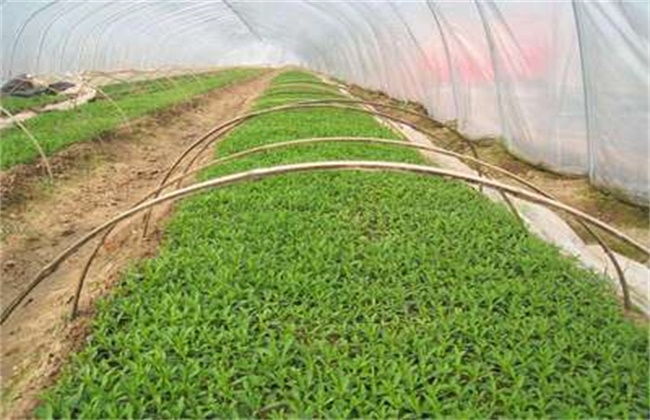
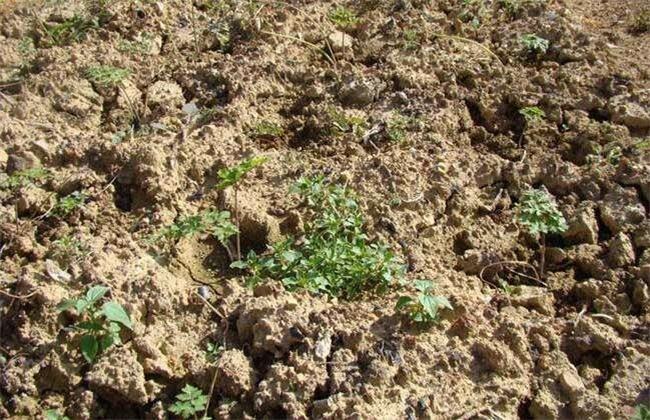
What causes dead seedlings in stevia? A detailed guide to prevention and control methods
Causes of dead seedlings in stevia and prevention and control methods
-
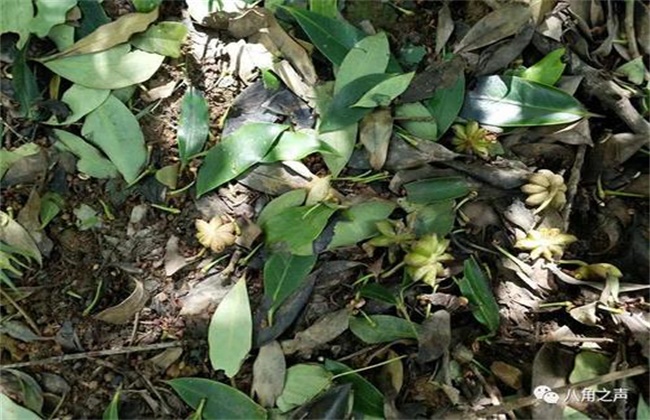
Severe fruit drop in star anise: how to prevent and control it? A detailed guide to practical methods
Methods to prevent and control severe fruit drop in star anise
-
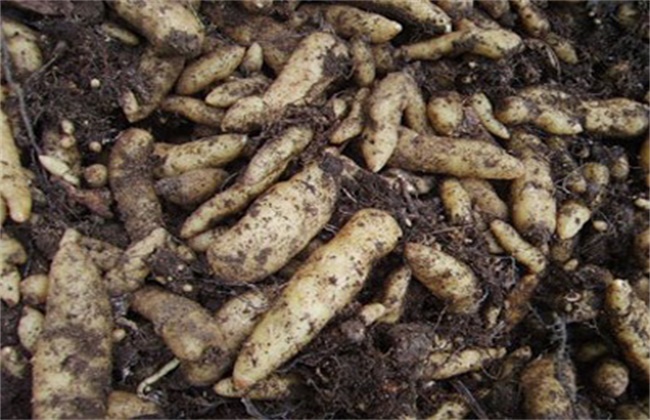
Detailed Explanation of Prevention and Control Techniques for Fungal Contamination in Gastrodia elata, a Must-Read for Growers
Prevention and Control Techniques for Fungal Contamination in Gastrodia elata
-
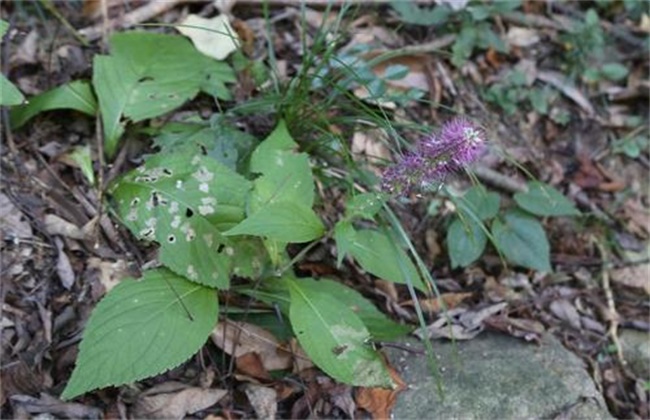
Analysis of the Causes of Scrophularia Root Drying and Its Prevention and Control Methods
Causes of Scrophularia Root Drying and Prevention and Control Methods
-
What to Do About Angelica Root Rot? Cause Analysis and Prevention Methods
Causes of Angelica Root Rot and Prevention Methods
-

Causes of flower and fruit drop in Schisandra chinensis and how to prevent and control it
Causes of flower and fruit drop in Schisandra chinensis and control measures
-

What causes early bolting in Angelica sinensis? How to prevent and control it
Causes of early bolting in Angelica sinensis and control methods
-

Methods and Technical Key Points for the Prevention and Control of Pests and Diseases in Polygonatum
(1) Black spot disease occurs mostly in spring, summer and autumn, and damages the leaves. Control methods: clean the garden at harvest time to eliminate diseased plant residues; in the early stage, spray 1:1:100 Bordeaux mixture once every 7 days, for 3 consecutive times. (2) White grubs damage plants in the larval stage, attacking the roots, biting off seedlings or gnawing the seedling roots, causing broken seedlings or cavities in the roots, and the damage is severe. Control methods: seed dressing with 75% phoxim emulsifiable concentrate at 0.1% of the seed amount; or during the field occurrence period, drench with 90% trichlorfon at 1000 times dilution.
-
Rot of Pinellia ternata tubers in the late growth stage: growers need to pay attention to prevention and control
Causes of the disease: When Pinellia ternata grows to August-October, that is, when the rainy season arrives, the second-, third- and fourth-generation bulbils formed by Pinellia ternata planted in early spring and the first- and second-generation bulbils formed by Pinellia ternata cultivated in summer rapidly expand and form tubers, and the small mother corms used as seed during cultivation are also expanding themselves. This period is the stage of fastest tuber growth in Pinellia ternata, and also the period when the tubers have the weakest ability to resist external infection. The larger the tuber, the weaker its resistance; the smaller the tuber and the bulbils, the stronger their defensive ability. Underground Pinellia ternata of various specifications
-
Compound Danggui Shaoyao San for the prevention and treatment of ascites syndrome in broiler chickens
Danggui 30 g, Chuanxiong 30 g, Zexie 30 g, Baishao 30 g, Fuling 30 g, Baizhu 20 g, Muxiang 20 g, Binglang 30 g, Shengjiang 20 g, Chenpi 20 g, Huangqin 20 g, Longdancao 20 g, Shengmaiya 10 g. Mix and pulverize the above Chinese medicines, pass through a 100-mesh sieve into a fine powder, and it becomes Compound Danggui Shaoyao San. Its usage is: add the above Chinese medicine fine powder to finished chicken feed No. 1, mix well for 100--150 broiler chickens to eat, can prevent and treat 7--35
条件筛选