Detailed Explanation of Prevention and Control Techniques for Fungal Contamination in Gastrodia elata, a Must-Read for Growers
The rhizome of Gastrodia elata has extremely high medicinal and health-care value and is one of China's traditional precious medicinal materials. Because of its relatively high economic value, quite a few people cultivate it. However, for growers, fungal contamination is extremely harmful to Gastrodia elata. Below, let's take a look at the prevention and control techniques for fungal contamination in Gastrodia elata.
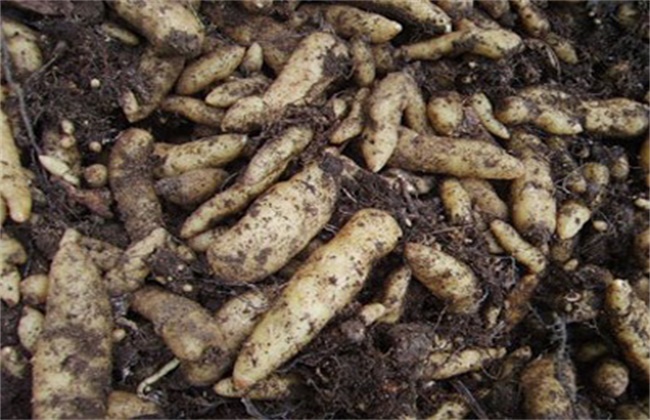
I. Harm of fungal contamination in Gastrodia elata
Contaminant fungi are other fungal species that appear during the isolation and pure culture of microorganisms and differ from the isolated and cultured strain. Common contaminant fungi include Trichoderma, Penicillium, Mucor, Rhizopus, Neurospora, and so on. As fungal contamination in Gastrodia elata becomes increasingly severe, it causes quality degeneration, deterioration of commercial appearance, and a year-by-year decline in yield, and can even lead to total crop failure. Once contaminated by fungi, it brings devastating harm to Gastrodia elata production.
II. Prevention and control techniques
1. Carefully inspect fungus branches and fungus logs
Contaminant fungi like to grow in saprophytic environments, so when making and cultivating fungus logs, fresh wood that is not decayed and has no mold should be selected. At the same time, the cultivation time should be shortened as much as possible. Once contaminant fungi are found on the fungus logs, they must be removed immediately and the logs placed in the sun for 1-2 days. If there is a large amount of contaminant fungi, the logs should be discarded promptly.
2. Disinfection of seed corms
Before inoculation, carefully inspect the seed corms. If mold infection is found, first scrape it off and sun-dry them, or use 75% alcohol, carbendazim, or other methods for local disinfection before use. If damaged or moldy and rotten seed corms are found, they must be discarded promptly.
3. Strengthen management
When filling, it must be packed firmly, and no gaps may be left. At the same time, management of temperature, humidity, and air must be strengthened, the humidity inside the pit should be well controlled, and the environment kept dry, so as to reduce the occurrence of contaminant fungi as much as possible.
4. Gastrodia elata pits should not be too large or too deep
Cultivation using fungus-log-based Gastrodia elata with a relatively small number of fungus logs is one of the best cultivation methods for preventing fungal contamination.
5. Increase the amount of Armillaria mellea used
When more fungus branches or spawn are placed, the fungi grow faster and can inhibit the growth of other contaminant fungi, which is also a good prevention and control method.
The above is an introduction to prevention and control techniques for fungal contamination in Gastrodia elata. We hope it can help you. To learn more related knowledge, please stay tuned to us.