-

Is Phalaenopsis prone to pests when there is no ventilation? Plus pest prevention methods
Autumn has arrived, and in many parts of the south the weather is still mainly hot, with occasional sudden thunderstorms, and this kind of weather is the most likely to breed mosquitoes and pests. If you have the delicate "Phalaenopsis" at home, you need to take preventive measures in advance in this season's weather, otherwise once a pest infestation breaks out it is very hard to fix. Growing Phalaenopsis
-
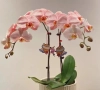
When growing Phalaenopsis (moth orchid) semi-hydroponically, water along the edge of the pot to prevent root rot; how should the watering frequency be set?
If there is a "lazy person's blessing" in Phalaenopsis care, semi-hydroponics definitely counts as one! You do not need to painstakingly remove the old potting medium, nor do you need to repot frequently, and the Phalaenopsis can still grow vigorously, making it especially suitable for beginners who dislike hassle. How exactly do you do it? It can be done in just a few steps, so let's go through it slowly. First, prepare these materials, all of which are common household items: none
-

Phalaenopsis Care Guide After Start of Autumn in North and South: Ventilation and Mold Prevention in the South, Moisture Retention and Frost Protection in the North
Once the Start of Autumn passes, Phalaenopsis orchids successively enter their golden growth period and flower bud differentiation period. If you want its branches covered with "butterflies," care must follow the climate - the temperature and humidity differences between North and South are significant, so care methods cannot be generalized! Today I will share practical care tips with everyone; follow them, and your Phalaenopsis will rebloom year after year.
-

During peak chikungunya season, mosquito prevention brooks no delay! These 4 "natural mosquito-repelling guardians" - just place the right green plants at home and mosquitoes will retreat! Retreat! Retreat!
As soon as summer arrives, mosquitoes seem to shift into double speed, buzzing around people, not only leaving itchy bites all over but, more frustratingly, they may also carry various viruses, such as chikungunya fever, which has been frequently mentioned lately. The disease sounds tongue-twisting, but when it strikes it is truly brutal - persistent high fever, joint pain as if your body is being taken apart, just thinking
-
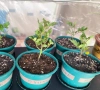
Causes of Yellowing and Drying Leaves in Tomato Plants After Fruit Set and How to Prevent and Treat Them
Tomato leaves suddenly turning scorched yellow and wilting during the fruiting stage? Don't panic! Here we explain the causes and the corresponding symptoms. 1. Improper watering Waterlogged roots and root rot: the potting soil stays soggy for a long time, the roots are deprived of oxygen and rot, and the older leaves turn yellow first, spreading upward from the bottom; they feel soft and mushy to the touch, and in severe cases the whole plant wilts. Drought and lack of water: forgetting to water for a long time
-

Why the Bottom of Cherry Tomatoes Turns Black and How to Prevent It
Have you fellow cherry tomato growers noticed that the fruit you finally managed to set suddenly turns black and soft at the bottom, or even rots into a hole? This is no accident; nine times out of ten it is "blossom end rot" at work - a disease that specifically targets the blossom end of the fruit and is especially common during the fruiting stage. Don't panic. Today we will cover the causes, the solutions and the prevention techniques.
-

How to treat and prevent root rot in Phalaenopsis (moth orchid) caused by overwatering?
Many people who have seen a Phalaenopsis are drawn in by its flower shape, and besides having an auspicious flower meaning, its blooming period can even span the entire winter, which is why it has become the "most enduring companion" in the hearts of flower lovers. Despite all its beauty, problems of one kind or another inevitably arise along the way when growing Phalaenopsis, and among the most common
-

Which plants are commonly attacked by spider mites, and how can they be prevented?
The most annoying thing about growing flowers is spider mites! Although these little bugs look like just a few small red dots to the naked eye, they are ruthless when they chew on leaves. Within a few days, the leaves turn sickly yellow and are covered with spider webs. As for which plants are easily plagued by spider mites, roses, hydrangeas, clematis, chrysanthemums and jasmine are all hard-hit areas. Roses: Ros
-
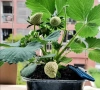
Causes of Withered Strawberry Flower Buds and Simple Prevention Tips
You're full of hope that strawberries will hang heavy on the branches, only to find the flower buds withering one by one? Don't worry. Today we'll walk you through pinpointing the cause and saving them scientifically. 1. Causes Calcium deficiency: Strawberries are extremely sensitive to calcium! When calcium is lacking, the tips of the flower buds dry up, the growing points die, and it may come with "blossom-end rot" in the fruit. Especially during consecutive cloudy
-
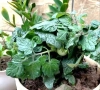
What are the causes of tomato leaf curl and how can it be prevented and treated?
Recently many vegetable gardeners have been asking: the tomato leaves suddenly curled up, what on earth went wrong? Don't worry! Today we'll talk about the causes and solutions, so even beginners can handle it easily! 1. Environmental factors 1. Temperature When the temperature soars above 35°C, combined with air humidity below 50%, the tomato plant reduces water loss
条件筛选