What to Do About Angelica Root Rot? Cause Analysis and Prevention Methods
Angelica (Angelica sinensis) is a common Chinese medicinal herb with effects and functions such as enriching the blood and promoting blood circulation, regulating menstruation and relieving pain, and moistening the intestines to relieve constipation. Its market demand is relatively large, so more and more people are growing it. However, root rot very easily occurs during the cultivation of angelica. So what causes angelica root rot? And how should it be prevented and controlled? Let's find out together.
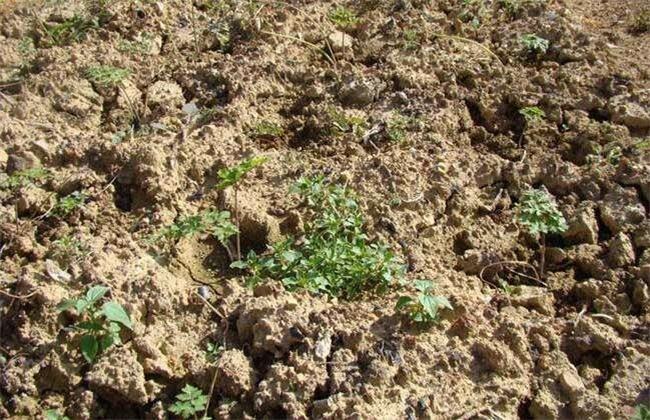
I. Causes of Angelica Root Rot
1. Diseases occur very easily under high temperature and high humidity conditions. High temperatures favor the reproduction of pathogens, while high humidity is unfavorable to root development. In rainy areas in summer and autumn, and in low-lying fields with poor drainage, root rot occurs very easily.
2. Continuous cropping of the same plot also very easily leads to severe occurrence of the disease.
3. When there are many underground pests such as white grubs and wireworms, the wounds on angelica roots also increase, giving pathogens an opportunity to invade.
4. Diseased plant residues and pathogen-carrying soil also spread through water flow, people, livestock, farm tools, and undecomposed farmyard manure.
II. Prevention and Control Methods
1. Field selection and seed selection
It is best to choose sandy soil with good drainage and strong permeability for cultivation, carry out reasonable crop rotation, and it is recommended to disinfect the soil before transplanting. Choose robust, disease-free seedlings for transplanting, and it is best to treat the seeds with New High-Fat Film dressing.
2. Strengthen field management
Appropriately increasing the application of phosphorus and potassium fertilizers can enhance the disease resistance of the plants. At the same time, weeding and loosening the soil can also reduce disease occurrence. If the climate is dry, water in time to preserve soil moisture. After slow establishment, when the leaves unfold, foliar fertilizer and plant growth regulators can be sprayed to increase photosynthetic efficiency, synthesize photosynthetic products, transport nutrients to the root system, improve the nutrient conversion rate and soil-loosening capacity, and promote root expansion.
3. Chemical control
After diseased plants are found, they should be pulled out promptly and taken out of the field to be burned, then a layer of lime powder should be spread in the diseased holes to eliminate the pathogens and prevent their spread. Then spray with thiophanate-methyl plus an appropriate amount of New High-Fat Film to prevent the disease from spreading. If the disease occurs over a large area, spraying must be done promptly to prevent large-scale yield reduction.
The above is an introduction to the causes of angelica root rot and its prevention and control methods. We hope it can help you. If you want to learn more related knowledge, please stay tuned to us.