Analysis of the Causes of Scrophularia Root Drying and Its Prevention and Control Methods
Scrophularia (Scrophularia ningpoensis, figwort) is used medicinally for its rhizome. Because of its low planting cost, simple management, and manageable pests, diseases and watering, as well as its economic value, it is cultivated in many regions. However, recently many growers have reported that their Scrophularia has dried up, so what is causing this? How can it be effectively solved? Follow along with the editor to find out.
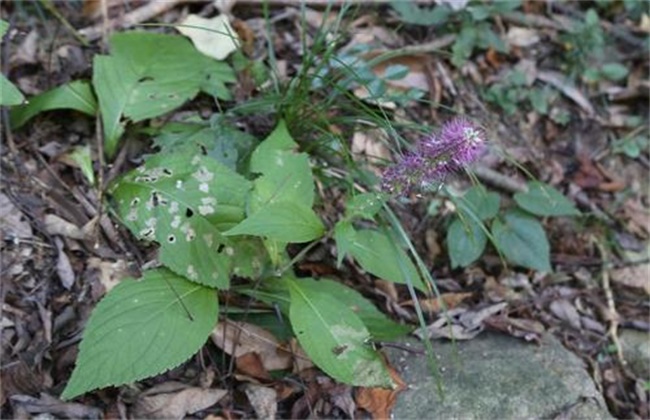
I. Causes of Scrophularia Root Drying
First the leaves become wilted, then the entire plant dries up, the leaves and stems turn black, and when the plant's roots are dug out, no obvious disease characteristics are found. There are completely no disease characteristics of root rot, southern blight, or leaf blight, so pathogen damage is basically ruled out, and the cause can only be sought in physiological disorders. Through observation it was found that the soil where Scrophularia is planted in this area is sandy soil, and areas with sparse plants in the field are prone to the disease, while denser plants grow normally. Therefore it can be concluded that the drying and death of Scrophularia is not caused by disease, but by the weather factor of high temperature and drought.
II. Prevention and Control Methods
1. Prevent in advance
Sandy soil has poor water- and fertilizer-retention capacity. When planting a rhizomatous Chinese medicinal herb like Scrophularia, more organic fertilizer must be applied to increase the organic matter content in the soil. In dry years, some chopped wheat straw can be spread between the ridges, which can prevent soil moisture loss and provide excellent water- and fertilizer-retention capacity. This is especially true for sandy soil, where preparations must be made in advance.
2. Scientific irrigation
In the high-temperature season, when drought occurs, irrigation should be carried out promptly, because this is precisely the most critical period for the growth of various crops, and a lack of water nourishment will inevitably cause yield losses. For sandy soil, drip irrigation or sprinkler irrigation is recommended for irrigation, as this can replenish water in small amounts and multiple times. If the traditional flood irrigation method is used, it not only wastes labor, fertilizer and water, but also loses and evaporates quickly, with poor moisture-retention effects.
3. Chemical agents
Although the symptoms are caused by high temperature and drought, in order to improve Scrophularia's ability to resist drought, it is recommended that growers spray some regulators such as brassinolide, indolebutyric acid, sodium nitrophenolate, and diethyl aminoethyl hexanoate, using any one of these regulators together with humic acid foliar fertilizer. This can not only promote a well-developed root system in Scrophularia and improve the plant's ability to resist harsh weather, but after adding humic acid foliar fertilizer and spraying, it can also regulate the transpiration of the leaves. Combined with irrigation, this can play a decisive role in helping Scrophularia safely pass through high-temperature and drought conditions.
The above is an introduction to the causes of Scrophularia root drying and its prevention and control methods. We hope it can help you. If you want to learn more related knowledge, please stay tuned to us.