-
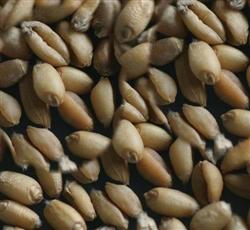
How to safely store wheat seeds through the summer? A few practical methods to teach you
The following teaches you how to safely store wheat seeds through the summer for your reference: From harvest to sowing, wheat seeds must go through a hot and humid summer. Improper storage management during this period will lead to a decline in seed quality, reduce the germination rate, and affect sowing quality. This places high demands on the summer storage of wheat seeds. In wheat seeds...
-

How to control onion thrips? Practical methods explained in one article
Damage characteristics: It mainly damages Allium vegetables such as Welsh onion, onion, water onion, scallion, Chinese chives, and garlic, as well as tobacco, cotton, and others. Adults and nymphs use their rasping-sucking mouthparts to damage the heart leaves and tender buds of host plants, causing the host leaves to form many long yellow-white or gray-white streaks, and the leaves become twisted and deformed. Morphological characteristics: Adults are 1.2-1.4 mm long, light yellowish brown, with yellow-white wings. Life habits: Onion thrips occurs 6-10 generations per year in North China, with the most severe damage from April to May. Adults are very active and can spread by wind, and feed strongly in the morning and evening or on cloudy days.
-
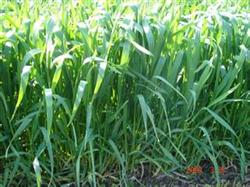
How to prevent and control wheat pests and diseases after spring? Practical tips are here
March 20 is "Spring Equinox," the day that falls exactly at the midpoint of the 90 days of spring, hence the name. There is a folk saying, "Spring Equinox and Autumn Equinox, day and night are equally divided." After the Spring Equinox, days grow longer and nights shorter, and temperatures gradually rise. "Spring Equinox" has an important influence on agricultural production activities. For the north, the Spring Equinox is the beginning of spring, ...
-
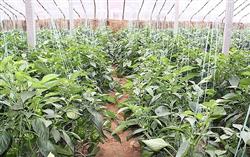
How to Fertilize Bell Peppers to Increase Yield? Practical Tips Shared
How can bell peppers be fertilized to increase yield? Please explain the fertilization methods. Bell peppers have a long growing period, an underdeveloped root system, few roots, and shallow soil penetration, and they are neither drought-tolerant nor waterlogging-tolerant. Their fertilizer requirement is greater than that of tomatoes and eggplants, and they have a strong tolerance for fertilizer. The fertilizer requirement characteristics of bell peppers are the highest potassium uptake, followed by nitrogen, and the lowest phosphorus. In vegetables, bell peppers...
-
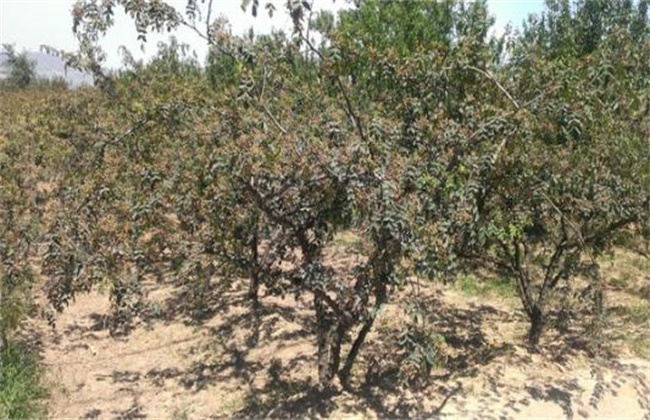
How to scientifically cultivate Sichuan pepper? A full analysis of practical techniques
Scientific cultivation techniques for Sichuan pepper
-
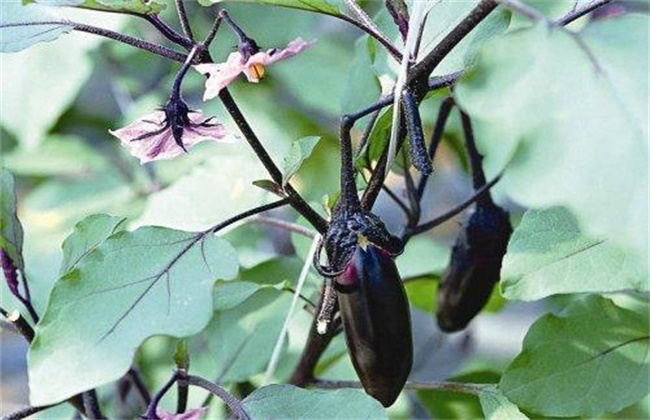
How to prevent and treat low-temperature injury in eggplants? A detailed guide to practical methods
Prevention and treatment methods for low-temperature injury in eggplants
-
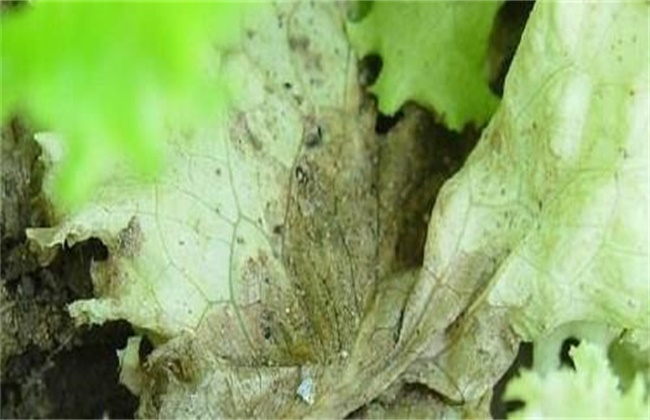
How to prevent and control gray mold in lettuce? A detailed guide to practical methods
Prevention and control methods for lettuce gray mold
-
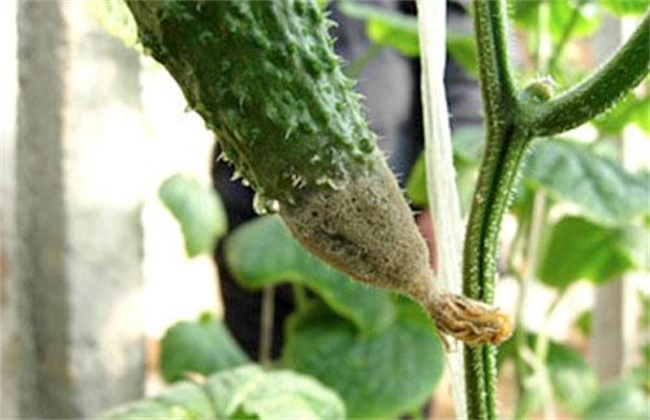
How to Prevent and Control Cucumber Gray Mold? A Detailed Guide to Practical Methods
Prevention and Control Methods for Cucumber Gray Mold
-
Practical Methods of Using Garlic to Prevent and Treat Fish Diseases
1. Treating enteritis: For every 100 kg of fish, use 0.5 kg of garlic bulbs, plus 0.3 kg of table salt, mix with feed and feed to the fish for 3-6 consecutive days. 2. Treating hemorrhagic disease: For every 10,000 fish, use 0.25 kg of garlic bulbs, 4 kg of alligator weed (fresh), and 0.2 kg of table salt, grind together with soybean cake and feed, twice a day for 4 consecutive days. 3. Treating dropsy (scale-standing disease): Add 0.25 kg of mashed garlic bulbs to every 50 kg of water, and soaking the diseased fish several times gives a good therapeutic effect. 4
-
Detailed Explanation of Garlic Processing Techniques, Introduction to Various Practical Processing Methods
1. Garlic slices and garlic powder: Select fully mature garlic heads with plump cloves, strong spicy aroma, and large size. After harvest, trim off the fibrous roots, cut off the stem plate, soak for 1-2 days, rub and wash to remove the skin, wash clean and dry, then cut into thin slices and blanch with steam for 5 minutes. Use a far-infrared drying device, with a loading capacity of 5-6 kg per sq m, at a temperature of 65°C-75°C for 6-7 hours. When the moisture content of the dried product reaches 5%-8%, package and store immediately. The finished product yield is 15%-20%. Garlic powder production only requires, on the basis of garlic slice processing,
条件筛选