How to prevent and treat low-temperature injury in eggplants? A detailed guide to practical methods
During seedling raising or early and delayed cultivation, eggplants often suffer from chilling injury and freezing injury, and we call this phenomenon low-temperature injury. It can seriously affect the growth and development of eggplants and also cause a serious impact on later yield, so how should low-temperature injury be prevented and treated? Follow the editor to learn more about it.
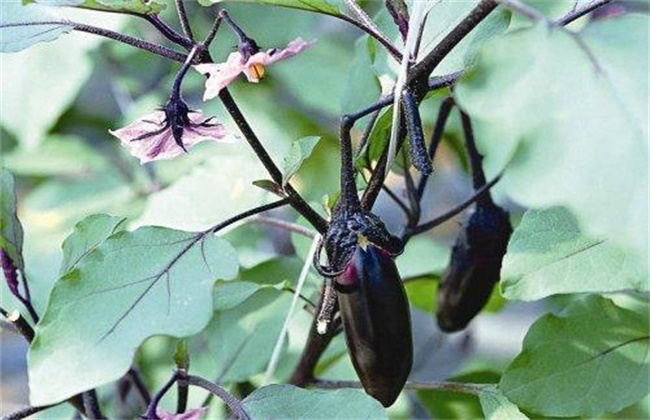
1. Near-ground mulching
In greenhouse cultivation, film, straw curtains, thermal insulation quilts, plastic mulch and many other materials can be used in combined mulching to achieve the purpose of heat preservation. Because different insulation materials have different warming effects, generally each additional layer of film can increase the temperature by 2-3 degrees and reduce heat loss by 30%-50%, while covering the second layer can increase the temperature by 6 degrees. Note. If cultivating in the open field, in the early stage plastic mulch can be used in the form of near-ground mulching to cover the seedlings, so that the seedlings as a whole are below the plastic mulch, which gives a better heat preservation effect.
2. Supplemental heating
Before a cold wave arrives, relying only on the greenhouse and multi-layer covering conditions cannot meet the temperature needs of eggplants, so heating measures must be taken immediately. According to your own conditions, various means such as heated flues, electric heating wires and small water-heating boilers can be used to supplement heat. However, open-flame smoking must not be used, so as to avoid smoke damaging the seedlings and also affecting safety. In areas with conditions such as geothermal heat or waste heat from power plants, pipelines can be laid to use these heat sources to raise the soil temperature.
3. Sowing and seedling raising
When sowing, the sowing period and planting date should be determined well, and sowing or planting should be chosen as much as possible on a windless sunny day at the end of a cold spell and the beginning of warmer weather, to ensure that the seedlings can emerge and survive safely. When raising seedlings, it is recommended to use nutrient pots, because black plastic nutrient pots have the effect of absorbing heat during the day and keeping warm and protecting roots at night; generally the temperature difference between the nutrient pot and the outside temperature is 20 degrees. Note, this can ensure the growth of seedlings without freezing injury, and can also carry out low-temperature hardening of seedlings to enhance cold resistance.
4. Foliar fertilization
In a low-temperature environment, the root absorption capacity of seedlings is poor, so at this time photosynthetic micro-fertilizer needs to be sprayed on the leaves to ensure that the seedlings do not suffer from nutrient deficiency symptoms caused by insufficient nutrition. At the same time, rice vinegar can also be sprayed on the leaves, which can play a major role in inhibiting bacteria and repelling insects; using rice vinegar mixed with white sugar and superphosphate can increase the sugar content of leaf mesophyll, improve leaf hardness and improve cold resistance. At low temperatures, be careful not to use any growth regulators for growth in the greenhouse, so as not to affect the cold resistance of the seedlings.
The above is an introduction to the prevention and treatment methods for low-temperature injury in eggplants. We hope it can help you. To learn more related knowledge, please keep following us.