How to scientifically cultivate Sichuan pepper? A full analysis of practical techniques
Sichuan pepper is very common in China, has many effects and functions, and is also welcomed by many people. Therefore, there are still quite a lot of people growing Sichuan pepper now, but when growing Sichuan pepper, if you want to ensure the yield and quality of Sichuan pepper, then a scientific cultivation technique is very important. So what the editor brings to you today is scientific cultivation techniques for Sichuan pepper. Let's take a look together below!
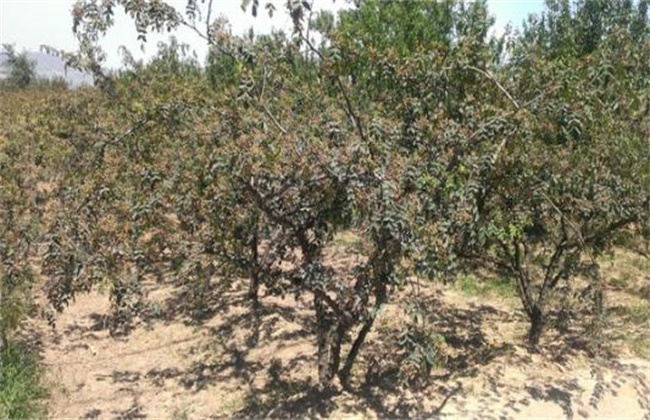
1. Seed treatment
Before planting Sichuan pepper, seed treatment work is very important. Because the seed coat of the Sichuan pepper tree is relatively hard and has a high oil content, its water resistance and rot resistance are strong. If the shell is not removed, then it is very difficult for it to absorb water and germinate. We can put the seeds in warm water with plant ash, then mix in an appropriate amount of sand and rub the Sichuan pepper seeds. Until the seed shell is dull and lusterless, at this time the oil has basically fallen off, and then it can be sown. Then if there is cow dung, the seeds can also be mixed with fresh cow dung before winter to let the seeds rot. Then in the spring of the second year, break up the cow dung and sow them together. In this way, the seeds emerge quickly, and the rate of uniform and strong seedlings is high.
2. Sowing and raising seedlings
When sowing Sichuan pepper seeds, there are generally two sowing methods: broadcast sowing and drill sowing. When sowing, we should pay attention to controlling the sowing amount well. Generally, the sowing amount per mu should be kept at about 6 kg. After the seeds are broadcast sown, rake them slightly flat and even, until the seeds cannot be seen with the naked eye. If it is drill sowing, then first control the plant and row spacing well, keep it at about 1*0.4 m, and then sow and cover with soil. Whether it is broadcast sowing or drill sowing, before sowing, we should pay attention to digging the ditches well. Ensure the drainage and irrigation capacity of the field. After sowing, if there is dry weather, then water in time to advance the time of emergence.
3. Field management
Field management is also one of the important measures for scientifically cultivating Sichuan pepper. Growing Sichuan pepper, like growing other crops, requires doing basic management work such as intertillage and weeding, and fertilizer and water management. When managing fertilizer and water, we must pay attention to controlling the amount well, not too much, to prevent fertilizer damage and waterlogging damage, thereby affecting the growth of Sichuan pepper. Field management of Sichuan pepper generally should start right after sowing, and the most important part is also the prevention and control of pests and diseases. Prevention should be strengthened. If pests and diseases occur, then it is very unfavorable to the growth of Sichuan pepper, so everyone must pay more attention.
4. Transplanting and afforestation
When the young Sichuan pepper trees grow to a certain extent, we need to transplant them at the right time. The transplanting time of Sichuan pepper trees can be carried out in winter or spring. If it is a field block planted in a contiguous area, then about 30 days before transplanting, dig the planting holes according to the specification of 2*2.5 m plant and row spacing, and keep the specifications of the planting holes well. And when transplanting, pay attention to watering enough, then press the four sides firmly. Sichuan pepper trees generally bear fruit about 4 years after planting, so after afforestation and before fruiting, some vegetable crops can be grown among the trees, which is very beneficial to their economic benefits.
The above is a brief introduction to scientific cultivation techniques for Sichuan pepper. That is all for today's introduction. This article is for reference only, and I hope it can help everyone!