How to safely store wheat seeds through the summer? A few practical methods to teach you
The following teaches you how to safely store wheat seeds through the summer for your reference: From harvest to sowing, wheat seeds must go through a hot and humid summer. Improper storage management during this period will lead to a decline in seed quality, reduce the germination rate, and affect sowing quality. This places high demands on the summer storage of wheat seeds. In wheat seeds...
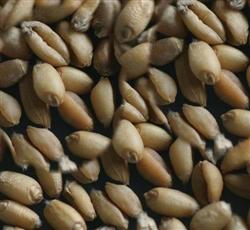
The following teaches you how to safely store wheat seeds through the summer for your reference:
From harvest to sowing, wheat seeds must go through a hot and humid summer. Improper storage management during this period will lead to a decline in seed quality, reduce the germination rate, and affect sowing quality. This places high demands on the summer storage of wheat seeds. During this period of summer storage of wheat seeds, special attention should be paid to the following aspects.
1. Moisture: Moisture is one of the three indispensable elements for seed germination. The moisture content of wheat seeds directly affects the safe storage of seeds. The national standard for the storage moisture of wheat seeds is 12.5%. When the seeds are put into storage, strict checks must be carried out. If continuous rainy weather or disastrous climate occurs at the time of storage, it must not exceed 13.5% at most. After being put into storage, strictly test the seed moisture and carry out regular testing. Generally, during the first three months after storage, that is, June to August, test once every half month; after September, test once a month. If continuous rainy weather occurs and the warehouse quality does not meet the standard, inspections should be carried out frequently. For bulk seeds, if the quantity is relatively large, first divide them into seed lots, and then take samples, that is, at the four corners of the warehouse (10-20 cm from the edge) and the middle, for a total of five points, and at the upper, middle and lower layers (20 cm from the top and bottom), for a total of 15 points. After sampling, determine the moisture according to the prescribed operating methods. For bagged seeds, after dividing them into seed lots, take samples by the five-point method or the checkerboard method and then determine the moisture.
2. Temperature: Temperature is an important factor affecting the storage quality of seeds. Many years of practice have confirmed that when the temperature of wheat seeds is below 20°C and the moisture is below 12.5%, safe storage can be ensured; when the seed temperature exceeds 25°C and the moisture is above 14%, the seeds will respire vigorously, causing the seed pile to heat up, reducing viability and lowering seed value. Seed temperature testing must be adhered to during storage. Seed temperature testing is generally carried out three times a month during the first three months after storage, that is, June to August, and twice a month after September. Set three points in different parts of the warehouse, divided into the middle and lower layers (2 points in the middle, 1 point in the lower layer) for measurement and recording, and compare and analyze them against the air temperature and warehouse temperature. It is required that in summer and autumn, the air temperature is greater than the seed temperature, which is greater than the warehouse temperature, and in autumn and winter, the seed temperature is greater than the warehouse temperature, which is greater than the air temperature. If the seed temperature in summer is higher than the air temperature, it indicates that the seeds have clearly heated up, and measures such as turning the pile and drying must be taken immediately to prevent mildew.
3. Pest prevention: There are many kinds of pests that harm stored wheat seeds. In our county, the main ones are the angoumois grain moth, maize weevil, cadelle, and grain beetle, etc. During the storage period of wheat seeds, monitoring of seed pests must be strengthened. Generally, when the air temperature is around 25°C, carry out an inspection every 20 days. The sampling method is the same as the sampling method for moisture determination. The sample amount is 1 kg. Screen it with an aluminum sieve set, observe carefully, calculate the number of insects per kilogram, and take control measures promptly according to the situation.
The control of storage pests generally adopts the method of sealed warehouse fumigation. The period from when wheat seeds are put into storage until August is a time of high temperature and high humidity. At this time, fumigation for pest killing and sterilization should be combined with sealed storage. Warehouse pests are generally controlled by aluminum phosphide fumigation. First, the gaps in the windows and doors of the warehouse should be carefully sealed with tools such as plastic film, newspaper, and paste; according to the dosage of 5 g per cubic meter (including space and seeds), calculate the total dosage for the fumigated warehouse; the medicine placement points should be evenly distributed, and the fumigation time is generally 7-10 days. Then open the warehouse for ventilation. For bagged seeds, aluminum phosphide tablets can be used. Calculate the amount, insert the tablets evenly into the seed bags, seal and fumigate to kill insects. After one week of sealed fumigation, open the warehouse for ventilation. Medicinal fumigation can not only kill pests, but also have the effect of reducing seed moisture. However, during fumigation, the moisture of the wheat seeds in the warehouse must not be higher than 14%; otherwise, the germination rate will be affected.
4. Mildew prevention: If wheat seeds are stored improperly, they are very likely to heat up and become moldy. There are two reasons for wheat seeds heating up: First, the moisture exceeds the standard at the time of storage. This situation causes a large scope of heating and mildew and also large losses. Second, the warehouse has poor sealing performance, and the wheat grains absorb moisture and heat up, causing mildew, first on the surface of the seed pile, and then gradually spreading and penetrating. Through the testing of seed moisture and temperature, problems can be discovered in time and countermeasures taken early. For wheat seed heating caused by the first situation above, the seeds should be taken out of the warehouse and dried on sunny days so that their moisture content reaches the prescribed standard; for wheat grain heating caused by the second situation, the sealing work of the warehouse should be strengthened during rainy weather, and ventilation should be carried out in time during clear and good weather.
Click to get more wheat cultivation techniques
Click to get more grain cultivation techniques