How to prevent and control gray mold in lettuce? A detailed guide to practical methods
Gray mold is a major disease of lettuce under protected cultivation. Once it occurs, it often reduces yield by about 30%. In particular, overwintering lettuce that becomes infected in spring can suffer yield losses of more than 50%. So how should lettuce gray mold be prevented and controlled? Follow along with the editor to find out.
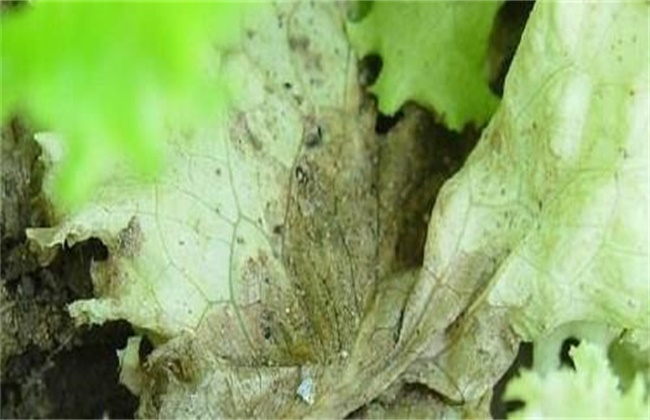
1. Disease symptoms
When seedlings are infected, they become water-soaked and rotted, with a gray mold layer on the surface. When infection occurs after transplanting, it usually starts from the leaves closer to the ground. The leaves first show water-soaked lesions, and under conditions of high temperature and high humidity the diseased areas rapidly expand and turn brown, while the base of the diseased leaves also turns reddish brown. Eventually the stem base of the diseased plant rots and dies, causing the stems and leaves above ground to wither and die.
2. Conditions for disease development
Gray mold is a fungal disease. The pathogen overwinters as mycelium, sclerotia and conidia in diseased plant residues and soil, and the following year spreads through farming operations and watering, invading through wounds and the lenticels of young, tender tissues to cause disease. It can develop at temperatures between 5-31 degrees, but is most severe when air humidity is above 90% and the temperature is between 20-25 degrees. The occurrence of gray mold is closely related to the growth condition of the vegetables and the external environment. When plants are poorly developed, or during the transition between winter and spring, the condition of high temperature and high humidity caused by excessive watering in the greenhouse makes the disease highly likely to occur and severe.
3. Prevention and control measures
1. Agricultural control
Before sowing, the seedbed and seeds must be strictly disinfected. When transplanting, select strong seedlings and remove diseased and weak ones. Keep the spacing between plants and rows at 20×20 cm. Too sparse is not conducive to yield, while too dense will cause the plants to grow leggy with thin, weak stems, affecting yield and making them prone to disease. Reasonable crop rotation in production can both ensure strong crop growth and improve disease resistance and reduce the harm of the disease. When cultivating in winter, pay attention to ventilation and dehumidification. After each watering, close the greenhouse to raise the temperature, then ventilate to effectively reduce the relative air humidity inside the greenhouse. Fertilization should be based mainly on organic fertilizer, with a reasonable increase in phosphorus and potassium fertilizer, and avoid excessive application of nitrogen fertilizer, so as to prevent the vegetables from becoming too tender. ⟧11⟧2. Chemical control ⟧12⟧When the disease occurs, spray thiophanate-methyl, carbendazim or chlorothalonil, applying once every 7-10 days for 2-3 consecutive applications. Alternating several of these agents gives better results. ⟧13⟧The above is an introduction to the prevention and control methods for lettuce gray mold. We hope it helps you. To learn more related knowledge, please stay tuned to us.
2. Chemical control
When the disease occurs, you can spray thiophanate-methyl, carbendazim, or chlorothalonil, applying the product once every 7-10 days for 2-3 consecutive times; alternating several of these agents gives better results.
The above is an introduction to the control methods for lettuce gray mold. We hope it helps you. To learn more related knowledge, please stay tuned to us.