-
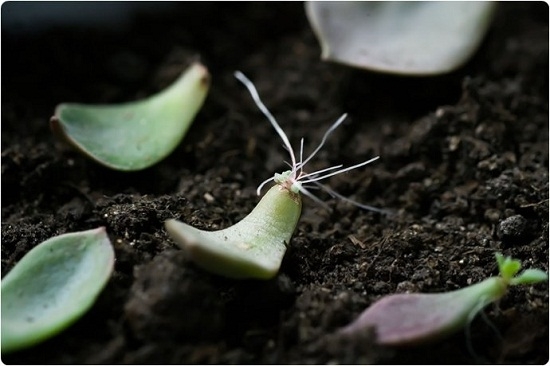
Succulent leaf cuttings really aren't that simple; you need to master these practical tips
Leaf cuttings are a fairly popular way to propagate succulents. Leaf cuttings are not only convenient but also have the advantage of fast propagation. However, leaf cuttings aren't just about pulling off two leaves and tossing them aside; there are some leaf-cutting techniques we need to pay attention to.
-
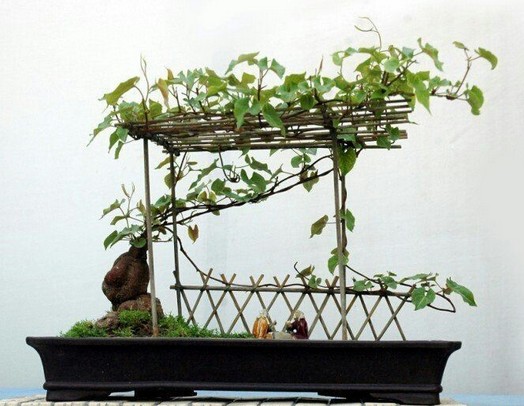
How to shape a Polygonum multiflorum bonsai? A few practical tips for you
Although Polygonum multiflorum has a huge tuberous root, its vines are slender and weak, and it hardly forms an obvious main trunk, so when shaping it, you can consider using the tuberous root to replace the trunk. You can also take advantage of the plump tuberous root that resembles a rugged stone and treat it as an ornamental stone for shaping; it can be planted as a single specimen or combined in groups of several.
-
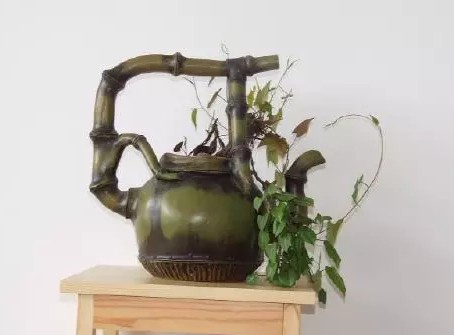
How to Build a Trellis and Prune a Fleeceflower Root (He Shou Wu) Bonsai? A Full Breakdown of Practical Tips
Many people know that He Shou Wu (fleeceflower root, Fallopia multiflora) is a medicinal plant with multiple functions such as tonifying essence and blood, darkening the hair and beard, strengthening the bones and muscles, and nourishing the liver and kidneys. In fact, it is also an excellent ornamental plant, and its ancient-looking, richly varied tuberous roots, lush vines, and delicate leaves can be used to create bonsai.
-

How to Water a Bonsai Ficus? A Detailed Guide to Practical Tips
A bonsai ficus should generally be placed in a spot with good ventilation and light. If the soil is sandy, you can water it a bit more; if the soil is clayey, water it less, because clayey soil drains poorly and too much water will cause the roots to rot. There needs to be a certain level of humidity in the air. If sunlight is insufficient, ventilation is poor, and there is no certain humidity in the air
-
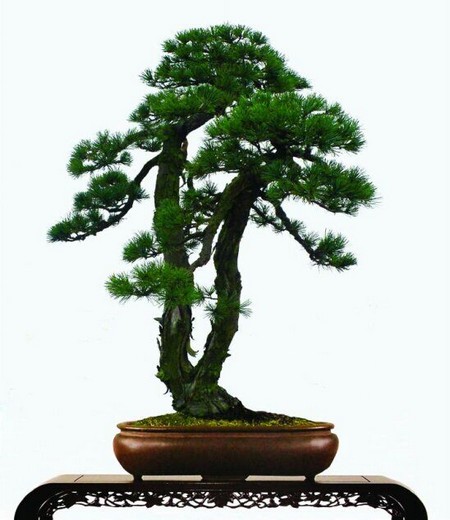
How to shape a pine bonsai in the tall-trunk weeping-branch style? Detailed practical tips
When we walk into the Wenzhou Bonsai Garden on Jiangxin Island, we are soon amazed and filled with admiration by the bonsai of varied shapes, fresh and graceful composition, and scenery that balances movement and stillness. Especially those tall-trunk weeping-branch style pine bonsai, revealing the great in the small, fully displaying the uprightness and vigour of the pine
-
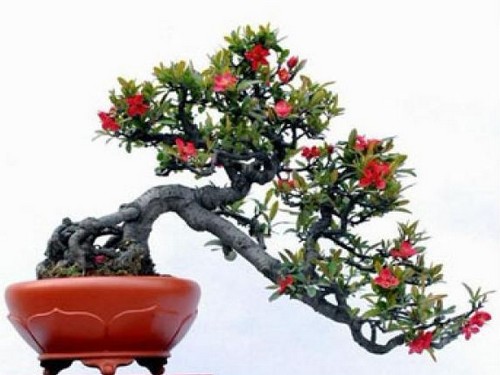
How to fertilize Chaenomeles speciosa bonsai? A full breakdown of practical tips
Chaenomeles speciosa (flowering quince) has a very long history of cultivation in China. According to research, the "mao" mentioned in the Erya is this plant. The flowers of Chaenomeles speciosa come in diverse colors, including vermilion, peach red, and moon white, and some cultivars have petals mottled with pink and white; moreover, its petals are smooth and translucent, making it very beautiful. Its branches are dark black, curving like iron wire
-
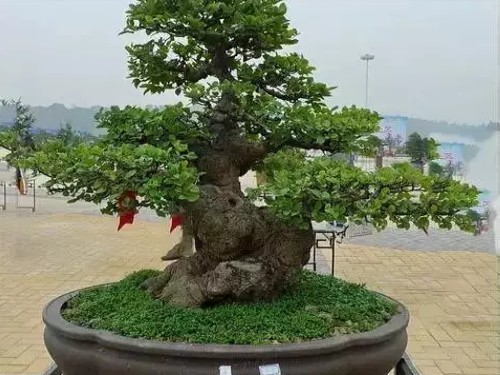
How to Water a Black Bone Tea Bonsai? A Full Guide to Practical Tips
I recently bought a few mature black bone tea (Dracaena cambodiana) stumps from Guangdong. According to the seller, I should water them every day, pouring water over the leaves and branches as well. At the time I did not think much about it, so I watered them every single day, and when I saw the leaves and trunks were dry I also misted them. The potting soil was acidic loess mixed with 3 parts sand, with some nutrient soil blended in. A week later, the leaves on two of them had lost their vigor.
-
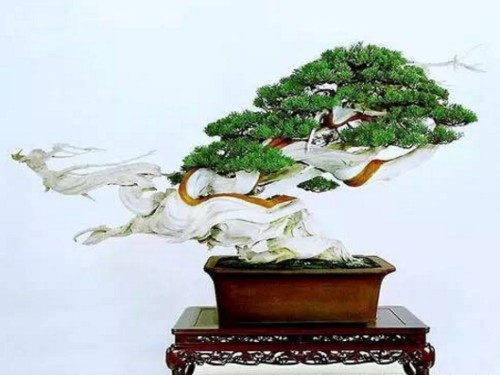
How to Grow a Cypress Bonsai Well? A Complete Guide to Practical Care Tips
Cypress, an evergreen tree, has long been used as a potted plant for indoor and courtyard ornamental display. Its unique leaf structure, in which leaves alternate in shedding and regrowth in a way that is hard to notice, gives it a sense of lasting evergreen vitality. Take the Chinese juniper (Juniperus chinensis), for example: its branches are dense and its leaves fine, its trunk form is twisted and curved, and its small branches rise upward to form dense clumps, giving it an elegantly antique and unusual posture.
-
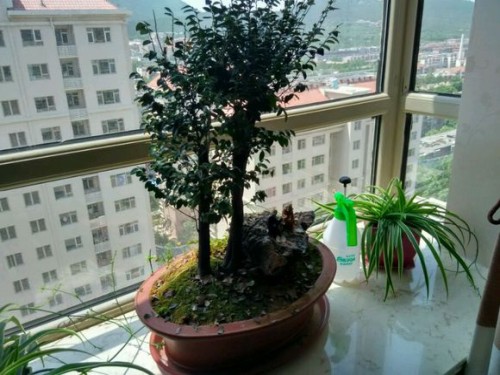
How to Shape a Podocarpus Bonsai? Practical Tips and Methods Explained
The Podocarpus bonsai has a lush, elegant, and vigorous tree form with an ancient, sturdy appearance. Its leaves stay fresh green in all four seasons, giving a sense of strength and noble purity. If attached to rocks and shaped into an eagle-claw-embracing-stone posture, it becomes even more antique and unique. A Podocarpus combined with bamboo and stones creates an extremely elegant landscape. A forest-style Podocarpus bonsai, paired with grazing scenery, can give people the enjoyment of rustic charm
-
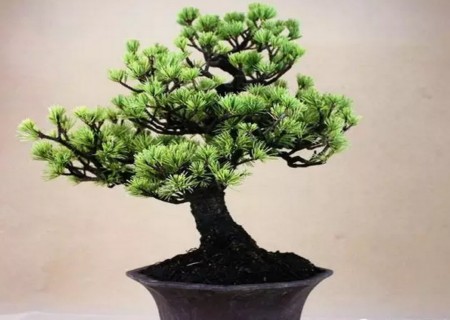
How should you water a five-needle pine bonsai? Practical watering tips shared
The five-needle pine has an upright posture and is a tree species with high ornamental value. It is suitable both for decorating gardens and as an important species for potted plants or bonsai. In bonsai making, the tree's posture must be maintained well and the growth of branches and leaves controlled, so as to achieve a shape with short, dense and vigorous branches and leaves. Today the editor will introduce the watering techniques for five-needle pine bonsai.
条件筛选