How to Increase Broad Bean Yield? Practical High-Yield Techniques Explained
Broad beans are quite common in our daily lives. They can not only be used as a vegetable, but also processed into various snacks, and both are very popular with many people. Therefore, the broad bean planting area is still very large now, and when planting broad beans, how to increase yield is certainly a question that many people care about. So how exactly can broad bean planting be made to increase yield? Below, the editor will give you a brief introduction. Let's take a look together!
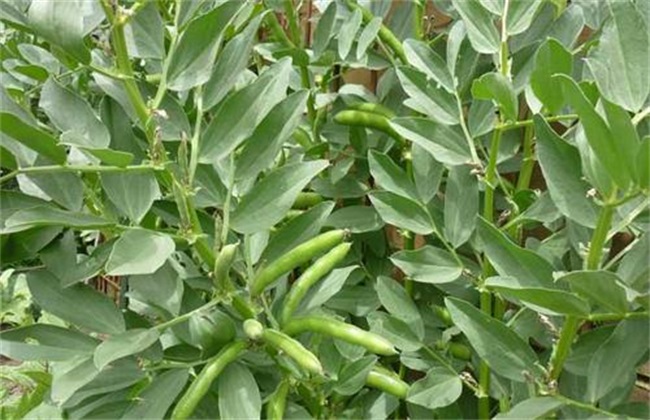
1. Removing the main stem
When planting broad beans, we should pay attention to removing the main stem of the broad bean plant at the right time. Concentrate all the nutrients on the secondary stems that branch out before overwintering each year. This encourages the secondary stems of the broad bean plant to increase flower quantity and pod-setting rate in the following year. Thus achieving the goal of increasing broad bean yield. Generally, the time for removing the main stem is in January each year. It should not be too late, to avoid the secondary stems becoming too mature and affecting the effect. When removing the main stem, simply cut it off at about 10 cm above the ground. At the latest, it should be completed before mid-January.
2. Removing ineffective branches
In addition to removing the main stem, we should also pay attention to properly removing some ineffective branches. This is because the branches that the broad bean plant sends out after the Beginning of Spring generally have relatively few flowers. And even if they can bloom, they are also very prone to flowering without setting fruit. They will also compete with the effective branches sent out before the new year for light, water, and fertilizer, seriously affecting the overall growth of the plant. Therefore, in March each year, at the early flowering stage of broad beans, small branches and tender branches should be removed in time, concentrating nutrients on the effective branches to increase broad bean yield.
3. Pinching off the growing tip
Broad bean flowers are mainly lateral short racemes, and their flowering period generally lasts about one month. During the flowering and podding stage, if nutrients are not concentratedly supplied to flowering and pod setting, then the flowers and pods may drop due to lack of nutrients. Infertile flowers are also likely to appear at the top of the branches. Therefore, in the later stage, we should also pinch off the growing tip at the right time to control plant growth and increase broad bean yield. Generally, this should be done after Tomb-Sweeping Day. Mainly, it still needs to be reasonably controlled according to the actual growth of the broad bean plant, to avoid damaging the broad bean plant.
4. Water and fertilizer management
Broad beans generally like to grow in a relatively moist environment. However, their tolerance to waterlogging is poor, so we should pay attention to doing a good job of watering. In the early growth stage of broad beans, keep the soil moist to promote seed germination. In the middle growth stage, keep the soil dry and refreshing to encourage deep root growth and the development of more lateral roots. There should be no standing water in the field, and drainage should be done in time to avoid root rot from too much water. Then when fertilizing, mainly use farmyard manure and compound fertilizer. After the seeds germinate, apply an appropriate amount of dilute human waste. When the broad bean seedlings have grown about 5 leaves and are about 6 cm tall, carry out topdressing. Then at the budding stage and podding stage, apply topdressing again to meet the nutritional needs of broad beans.
The above is a brief introduction to how to increase broad bean yield. That is all for today's introduction. This article is for reference only, and I hope it can help everyone!