-
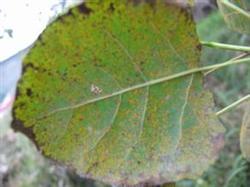
Identification and Control Methods of Poplar Black Spot Disease Explained in Detail
Poplar black spot disease, also known as poplar brown spot disease, is caused by a pathogen that can infect many species of poplar. Seedlings, young trees and mature trees can all be affected. When the disease is severe, it affects the normal growth of the trees and causes economic losses. Symptoms: it generally occurs on young leaves, shoot tips and fruit clusters, spreading from top to bottom, mainly damaging leaves. When the disease starts...
-
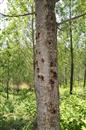
Key Points and Methods of Poplar Fertilization Techniques Explained
Poplar canker (rot disease) mainly occurs on the trunk and branches of poplar trees. After the disease develops, the cortical tissue of the trunk and branches rots, loses water, sinks, and cracks, with a smell of distillers' grains. When the diseased area encircles the trunk or branch completely, the entire upper part dies. The disease occurs twice a year, and when the temperature is above 7°C, ...
-
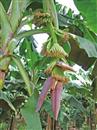
How to Manage Bananas During the Bunch Emergence Stage? Key Technical Points Explained
How to manage bananas well during the bunch emergence stage? Please introduce the management methods. July to August is the bunch emergence stage for ratoon and autumn-planted bananas, a period when vegetative and reproductive growth coexist. To improve banana yield and quality, attention should be paid to managing every aspect of the banana bunch emergence stage. Reference management methods are as follows: 1. Timely apply...
-
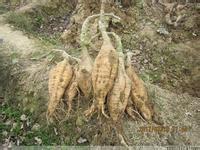
Characteristics and Artificial Cultivation Techniques of Wild Kudzu Root Explained
I. Characteristics. Kudzu root has strong adaptability, does not demand strict climate or geographical conditions, and is easy to cultivate. It is suited to a warm and humid growing environment. Kudzu root likes warmth and tolerates heat; when the average daily temperature reaches about 12°C, it begins to sprout; the suitable average daily temperature for growth is 20-33°C; 25-30°C is suitable for tuberous root formation, and 15-20°C is suitable for tuberous root...
-
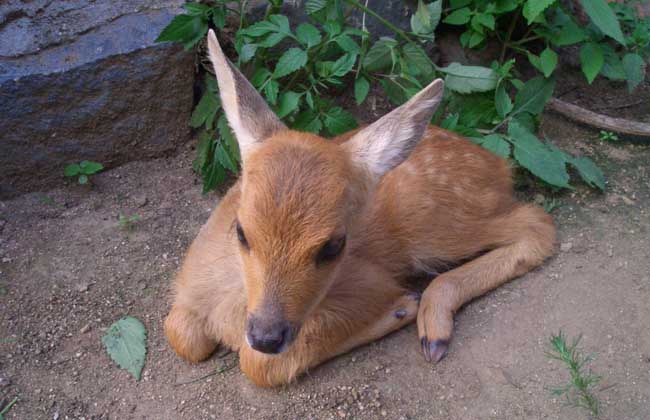
Roe Deer Farming Techniques and Market Prices Explained
Roe Deer Farming Techniques_Roe Deer Market Prices
-
-
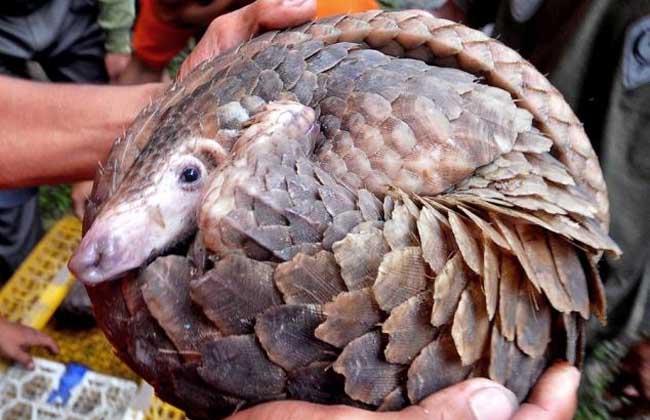
Pangolin: Benefits and Uses, Scale Prices and Breeding Techniques Explained
Pangolin Benefits and Uses_ Pangolin Scale Prices_ Pangolin Breeding Techniques
-
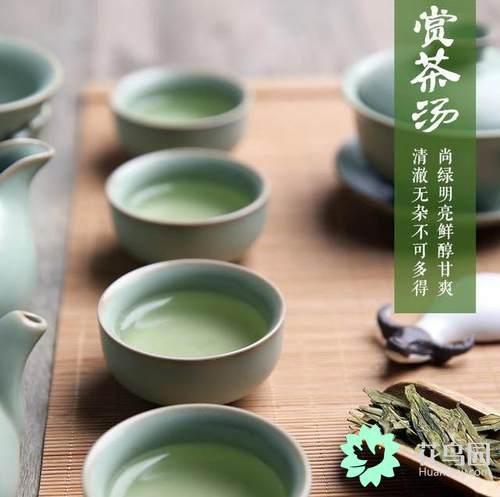
16 little-known facts about green tea, explained in detail by Tea Encyclopedia
Green tea is China's national drink and ranks first among the six healthy beverages recommended by the United Nations. Why does green tea hold such a high status? Today, the editor shares with you 16 little-known facts about green tea. Do you know all the basics about green tea? ▼ ▌01 China...
-
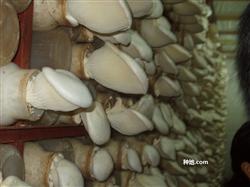
How to mix the substrate for white beech mushroom (Pleurotus nebrodensis)? Detailed method explained
How to mix the substrate for white beech mushroom (Pleurotus nebrodensis)? What should be noted? The white beech mushroom is a newly emerging mushroom species, and there are still many problems in its cultivation technology, especially the yield, which has been difficult to increase. Practice has found that the nutritional ratio of the substrate plays a vital role in increasing the yield of white beech mushroom. The nutrients added to the substrate...
-
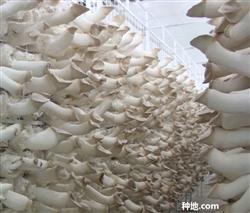
How to cultivate king oyster mushrooms in northern China? Key technical points explained
How to cultivate king oyster mushrooms in northern China? Please advise. The king oyster mushroom (Pleurotus eryngii), also known as xuerong, is a high-quality large fleshy agaric mushroom. The king oyster mushroom has thick flesh, a crisp and tender texture, and a delicious flavor, and can be called the "king of oyster mushrooms." It is rich in nutrients and high in oligosaccharides, and has intestinal-regulating and beauty benefits....
条件筛选