-
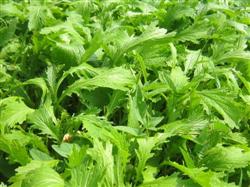
How to Grow Leaf Mustard for High Yield? Key Cultivation Techniques Explained
How to grow leaf mustard for high yield? Please advise. Leaf mustard is the most diverse and varied variety among mustard types; apart from a few that can be eaten fresh, most are pickled vegetables. In recent years, with the adjustment of the agricultural industrial structure, the area planted and processed for leaf mustard has gradually increased, but to do a good job in leaf mustard production...
-
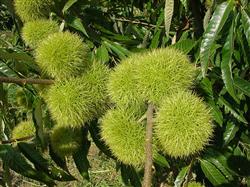
How to manage chestnut trees during the fruit expansion period? Key technical points explained in detail
How to manage chestnut trees during the fruit expansion period? Please give an introduction. Summer and autumn are the period when chestnut fruits expand rapidly, so fertilizer and water management and pest and disease control must be strengthened to allow the fruits to expand fully, the flesh to be plump, no fruit drop in the middle period, and good fruit quality, thereby achieving high yield and quality. The specific management measures are as follows:...
-
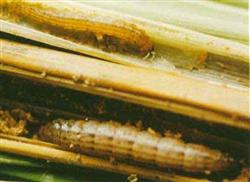
How to control rice stem borers? Practical methods and techniques explained
How to control rice stem borers? Please advise. Rice stem borers are commonly known as dead-heart borers, among which the most widespread and serious are the striped stem borer and the yellow stem borer, along with the rice skipper and the greater rice stem borer. The striped stem borer damages not only rice but also gramineous crops such as corn and wheat, while the yellow stem borer is a monophagous pest that attacks only rice. For...
-
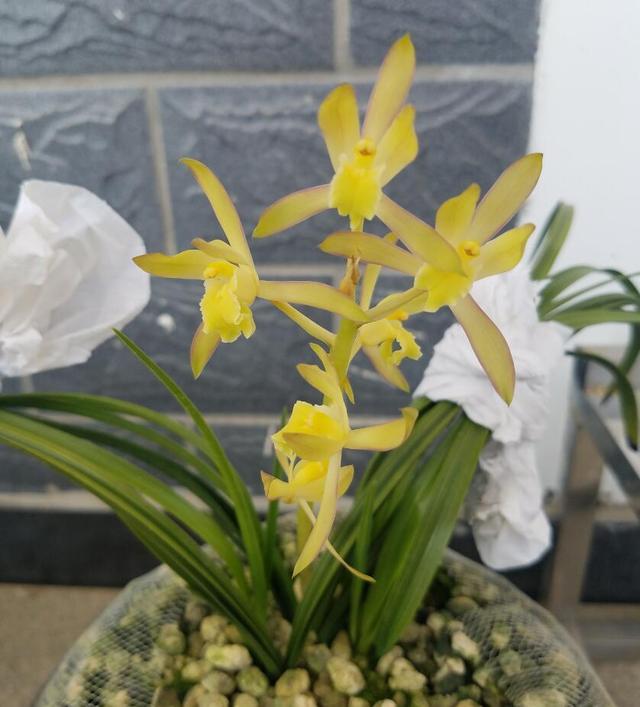
A complete analysis of orchid temperature and humidity, explained most thoroughly in this article
I. The best growing environment for orchids The optimal temperature for orchid growth is 15 °C -25 °C. When the temperature is above 30°C, growth will slow or stop. Orchids grow well when the relative air humidity is 60-70%. Too dry or too wet can easily cause...
-
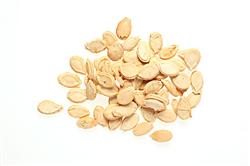
How to Save Seeds from Winter Melon? Key Techniques and Methods Explained
How do you save seeds from winter melon? How should you grow winter melon for seed saving? For winter melon seed saving, you can refer to the following growing methods: Plot selection. Winter melon is a cross-pollinated crop that relies on insect or wind pollination. To keep the variety pure, the seed production field should be at least 1000 m away from other winter melon fields. Manual selection. Raising seedlings and sowing...
-
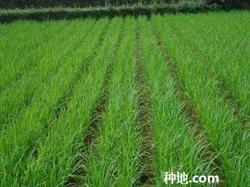
What are the benefits of applying silicon fertilizer to rice? Explained clearly in one article
What are the benefits of applying silicon fertilizer to rice? Please introduce. Rice is a typical silicon-accumulating and silicon-loving crop, with a relatively high demand for silicon, close to that for nitrogen, phosphorus and potassium, ranking fourth. The results of trials and applied research show that silicon plays a considerable role in rice growth. 1. Applying silicon to rice can enhance the rice's resistance...
-
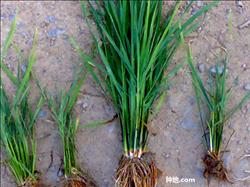
How to manage rapeseed cultivation? Key technical points explained in detail
How to prevent and control rice "sitting stump" disease? Please help. Rice "sitting stump" disease, namely rice red blight, is a common physiological disease in rice production. It generally begins to develop about 15 days after transplanting. If a cold wave occurs after transplanting, in cold-waterlogged fields, muddy fields, deep-water fields, fields where undecomposed organic fertilizer has been applied, fields with one-sided application of single-element chemical fertilizers, or fields lacking potassium...
-
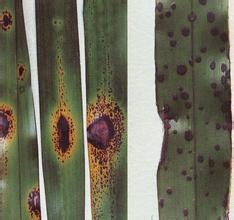
What are the symptoms of orchid round leaf spot? The prevention and control methods explained in one article
Leaf spot is a common leaf disease of orchids, found in Fujian, Jiangsu, Zhejiang, Shanghai, Nanjing and other places. Symptoms: The disease mainly affects the leaves. In the early stage, small brown spots appear on the leaves and rapidly expand into round patches, relatively wide, with a light brown center, and yellow small protrusions growing on both the front and back sides, occurring on the upper...
-
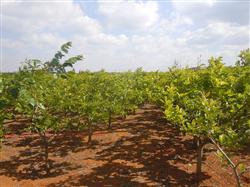
How to grow sweet persimmons for high yields? Key techniques explained
How can sweet persimmons be grown for high yields? Please provide guidance. The sweet persimmon growing method can refer to the following: 1. Environmental requirements. Sweet persimmons can be grown in areas with an annual average temperature of 13-18°C; an average temperature of 18-19°C during the fruit ripening period from June to August (in Shilin County they are distributed at an altitude of 1600-1900 m); sunshine hours of more than 1400 hours from February to August...
-
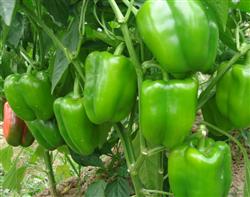
How to manage bell peppers during the color-changing stage? Key technical points explained in detail
How should bell peppers be managed during the color-changing stage? Please give guidance. Bell pepper management during the color-changing stage can refer to the following methods: First, pay attention to ensuring a reasonable temperature. Bell peppers have relatively strict temperature requirements during the color-changing stage. When the daytime greenhouse temperature is 28-30°C, it is most favorable for bell pepper color change. However, recently the temperature inside the greenhouse has often exceeded 40°C, causing bell...
条件筛选