-
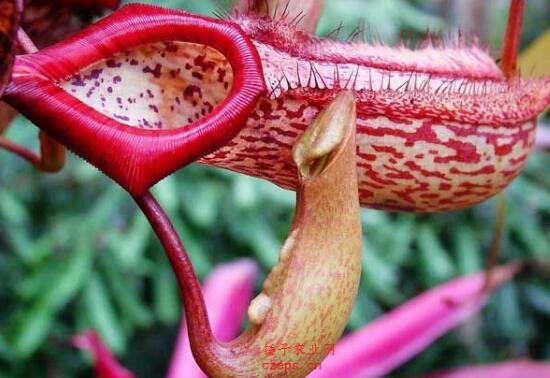
Why does the pitcher plant eat insects? Watch this video of it catching mosquitoes as nutrients
In many people's minds, animals eat plants, but amazing nature overturns all of this, because there exist plants that eat animals, and that is the pitcher plant. As a mosquito-repelling plant, the pitcher plant can prey on mosquitoes, flies and other small insects, which many people probably know. So why does the pitcher plant eat insects?
-
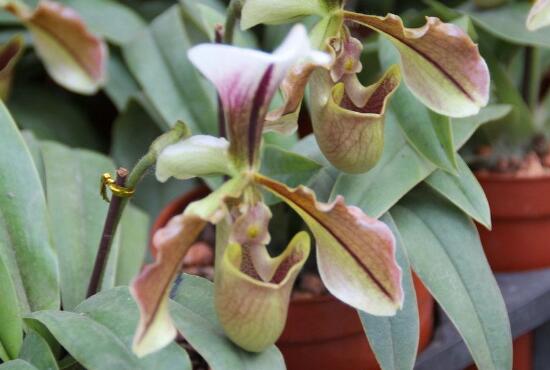
What should you do when pitcher plant leaves turn yellow? Water and fertilize appropriately, and keep the environment stable.
The pitcher plant (Nepenthes) is a relatively uncommon potted plant, and it is loved by many people because it can catch mosquitoes and flies. However, compared with other mosquito-repelling plants such as pitcher plants, night-blooming jasmine (Cestrum nocturnum), and geraniums, far too few people grow pitcher plants, so beginners often run into situations of improper care.
-
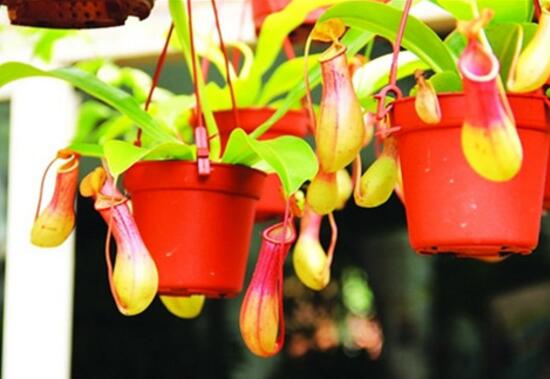
How do you water a pitcher plant correctly? Water in the morning and evening, not at noon
The pitcher plant (Nepenthes) is a plant that can repel mosquitoes; the pitchers it grows have the function of catching mosquitoes and flies. In everyday life, many people keep pitcher plants, not only because they can catch insects, but more importantly because they also look beautiful. However, if you want to grow pitcher plants well, you must pay attention to watering. So how do you water a pitcher plant?
-
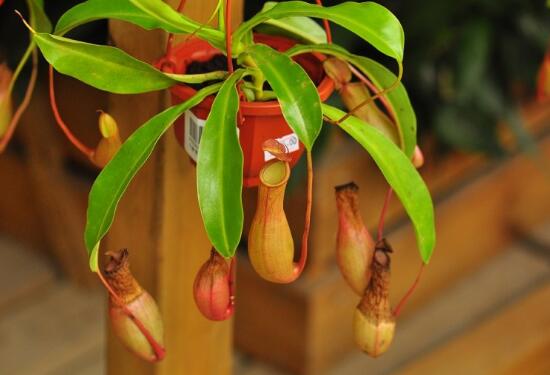
Detailed Guide to Overwintering Pitcher Plants: Keep Away from Windows and Raise the Temperature
The pitcher plant (Nepenthes) is a very unusual plant that grows many pitchers with the ability to catch mosquitoes and flies. It is precisely because of these qualities that many people keep pitcher plants as houseplants. However, since pitcher plants originally grow in tropical regions, they like high temperatures and cannot tolerate cold, so care in winter requires special attention.
-
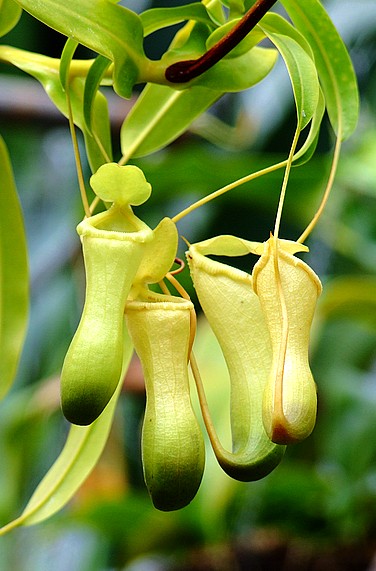
What are the common pests and diseases of pitcher plants?
Pitcher plant seedlings grow slowly and are commonly affected by pests and diseases such as red spider mites, aphids, leaf spot, anthracnose and black spot. These occur more frequently under conditions of poor ventilation, excessive shade and too-low temperatures. In addition to promptly regulating the growing environment, pesticides should also be sprayed in good time for control.
-
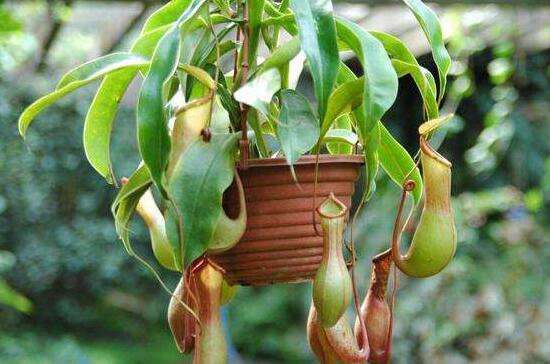
How Do Pitcher Plants Reproduce? Three Methods: Cuttings, Layering, and Sowing
Most people have heard of the pitcher plant (Nepenthes). It is a plant that can repel mosquitoes, and many people grow it as a potted plant at home. As more and more people grow pitcher plants, they are also being propagated in large numbers. So how do pitcher plants reproduce? You can buy plants, or propagate them yourself, and there are mainly three propagation methods for pitcher plants: cuttings, layering, and sowing.
-
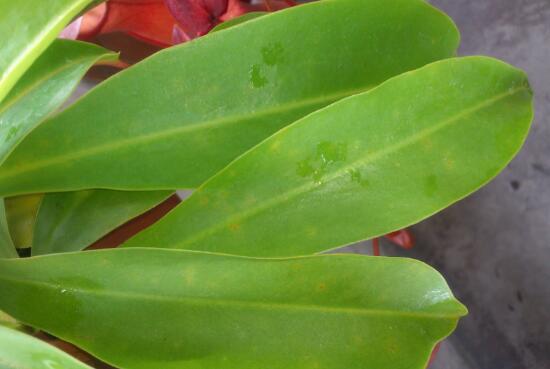
What to do when pitcher plants get bugs? 1 pest 2 disease spraying control methods
When talking about pitcher plants, everyone thinks of their ability to catch mosquitoes and flies. But did you know that even this mosquito-repelling plant can get bugs? Because pitcher plants are tropical plants, growing them in our country can be affected, and if you're not careful, they can be attacked by pests and diseases.
-
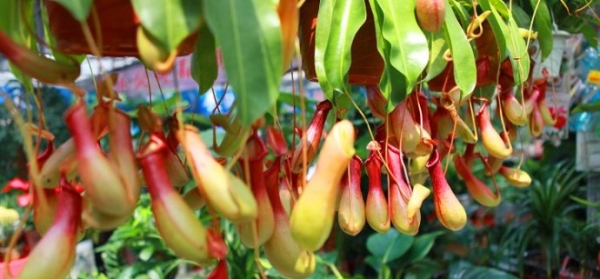
Can pitcher plants be grown indoors? Read this and you'll understand
If there are children or elderly people in the home, they may accidentally eat the pitcher plant, and the stems and leaves of the pitcher plant are highly toxic, so it is best not to grow it indoors. Moreover, when the pitcher plant blooms, it gives off an unpleasant, foul odor. Growing it in the bedroom releases an unpleasant smell, affecting healthy sleep. But if flower lovers are very fond of pitcher plants
-
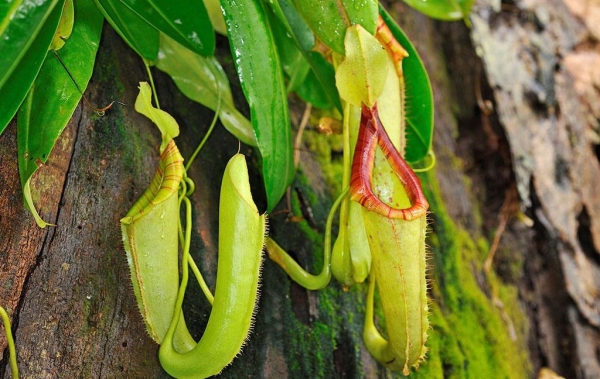
What are the precautions for growing pitcher plants?
Pitcher plants are tropical plants that like high temperatures, but they are not cold-tolerant, so they must spend the winter indoors. And although they are tropical plants and can grow in sunlight, they are afraid of strong light. In summer, pay attention to sun protection; the usual practice is to set up a shade net.
-
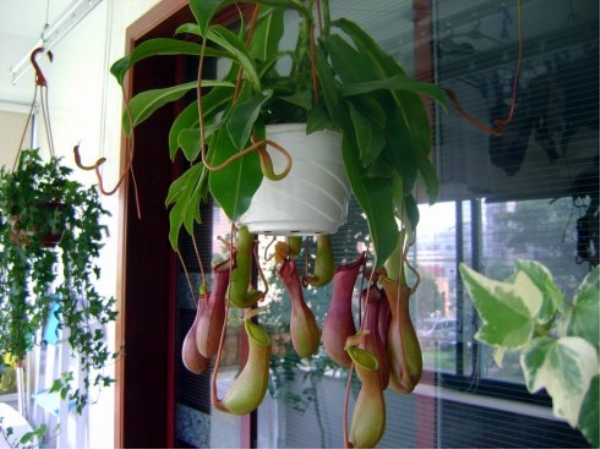
How to Grow Pitcher Plants? A Complete Guide to Detailed Cultivation Methods
Temperature: Pitcher plants are tropical plants that love high temperatures and cannot tolerate cold. The suitable temperature for their growth is 20 to 30 degrees. Pitcher plants are extremely intolerant of cold; if the temperature is too low, they will stop growing. Therefore, in winter, to prevent pitcher plants from freezing, protective measures must be taken to ensure the indoor temperature does not drop below 10°C
条件筛选