What should you do when pitcher plant leaves turn yellow? Water and fertilize appropriately, and keep the environment stable.
The pitcher plant (Nepenthes) is a relatively uncommon potted plant, and it is loved by many people because it can catch mosquitoes and flies. However, compared with other mosquito-repelling plants such as pitcher plants, night-blooming jasmine (Cestrum nocturnum), and geraniums, far too few people grow pitcher plants, so beginners often run into situations of improper care, which causes pitcher plant leaves to turn yellow. What should you do then? Next, let the editor answer your questions.
1. What should you do when pitcher plant leaves turn yellow? Find the cause.
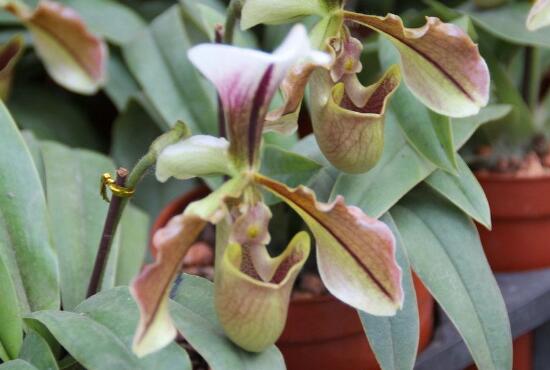
When growing pitcher plants indoors, because some flower lovers do not understand its habits, a moment of negligence can easily lead to problems, such as leaves quietly turning yellow. So what should you do when pitcher plant leaves turn yellow? For this, the editor has identified 6 causes of pitcher plant leaves turning yellow, and attached solutions. Let us continue reading.
2. Causes of pitcher plant leaves turning yellow and solutions
1. Sudden environmental changes
There are actually many causes of pitcher plant leaves turning yellow, but the first thing everyone should consider should be environmental factors. When the seasons change, the outside climate changes, hot one moment and cold the next, and over time the pitcher plant cannot adapt, thus showing symptoms of yellow leaves.
Solution: Flower lovers should always pay attention to the pitcher plant's growing environment. When the weather changes greatly, move the plant indoors for care.
2. Overwatering
Pitcher plants like a humid environment, and we need to water frequently, but watering too frequently or too much can cause leaves to turn yellow. Symptoms: new leaves turn yellow and lose their luster, while old leaves show no obvious change.
Solution: Stop watering immediately, control the water, and move the plant to a ventilated place with light so the water evaporates quickly; in severe cases, directly repot it with fresh soil.
3. Too little watering
Too much watering is no good, and too little is no good either. It can also cause pitcher plant leaves to turn yellow. Symptoms: old leaves gradually turn yellow from the bottom up, new leaves grow slowly, and if the water shortage lasts a long time, the whole plant will turn yellow and may even die.
Solution: Very simple, water immediately. Note: if it has not been watered for a long time, do not water too much the first time; do it gradually. Then follow the pitcher plant watering method, and after a period of time, the plant will recover its health.
4. Overfertilizing
Pitcher plants do not have high fertilizer requirements. If too much fertilizer is applied, fertilizer burn will occur, and it can also cause pitcher plant leaves to turn yellow. Symptoms: newly grown leaves are relatively thick and glossy, but old leaves wither, yellow, and fall off.
Solution: Water promptly to dilute the fertilizer strength in the soil. Or, more simply, directly repot with fresh soil and let the pitcher plant start fresh.
5. Too little fertilizing
The growth of pitcher plants does not need too many nutrients, but that does not mean no fertilizer is needed, because once it goes a long time without fertilizing, its leaves will also turn yellow. Symptoms: newly grown stems and leaves turn yellow, and if fertilizer is still not supplemented in time, it will cause the plant to die.
Solution: Fertilize appropriately, but do not apply a large amount of fertilizer at once. Stick to the principle of many times and small amounts when supplementing fertilizer.
6. Iron-deficiency yellow leaves
Just like people, pitcher plants need iron for growth, and once they lack iron, yellow leaves appear. Symptoms: the leaf tissue shows obvious yellowing.
Solution: Spray with ferrous sulfate aqueous solution, and after 3-4 times it will gradually improve.
Overall, pitcher plants are not difficult to grow. As long as everyone follows the pitcher plant cultivation method, it will not have problems. Of course, do not panic if yellow leaves appear; just follow the methods above. That is all the editor has to introduce about pitcher plant leaves turning yellow, and I hope it can help everyone.
What should you do when pitcher plant leaves withered and turned yellow? What is going on with pitcher plant leaves turning yellow?
The structure of the pitcher plant leaf is complex, divided into petiole, leaf blade, and tendril. The tail end of the tendril expands and curls back to form a pitcher shape, which can prey on insects. Pitcher plants have racemes and bloom small green or purple flowers. The pitcher-shaped body at the tip of the leaf is a tool for catching insects. So what should you do when pitcher plant leaves withered and turned yellow? What is going on with pitcher plant leaves turning yellow? Below, the editor of wed114 wedding website brings everyone detailed content.
What should you do when pitcher plant leaves withered and turned yellow?
1. Water yellowing
Watering too frequently and too much causes leaves to turn yellow, mainly shown as newly grown leaves turning yellow and losing their luster, while old leaves show no obvious change.
Solution:
Stop watering immediately, control the water, and in severe cases directly repot with fresh soil.
2. Drought yellowing
Drought yellowing means water shortage, shown as old leaves gradually turning yellow from the bottom up, new leaves growing slowly, and if the water shortage lasts a long time, the whole plant will turn yellow and may even die.
Solution:
Water promptly. If it has not been watered for a long time, do not water too much the first time; do it gradually. Or directly use the soaking irrigation method to water.
3. Fertilizer yellowing
Fertilizer yellowing means fertilizer burn has occurred, caused by fertilizing too frequently or at too high a concentration. It mainly shows as newly grown leaves being relatively thick and glossy, but the leaf surface is uneven.
Solution:
Water promptly to dilute the fertilizer strength in the soil. Or loosen the soil and control fertilizing.
What should you do when pitcher plant leaves withered and turned yellow?
4. Starvation yellowing
The growth of pitcher plants does not need too many nutrients, but that does not mean they will grow very well without fertilizing. If not fertilized for a long time, the leaves will also turn yellow. Long-term lack of fertilizing shows as newly grown stems and leaves turning yellow, and if fertilizer is still not supplemented in time, it will cause the plant to die.
Solution:
Never apply a large amount of fertilizer at once. Stick to the principle of many times and small amounts when supplementing fertilizer.
5. Iron-deficiency yellow leaves
Just like people, pitcher plants need iron for growth, and once they lack iron, yellow leaves appear. The leaf tissue shows obvious yellowing.
Solution:
Spray with ferrous sulfate aqueous solution, and after 3~4 times it will gradually improve.
What should you do when pitcher plant leaves withered and turned yellow?
Water yellowing
Watering too frequently and too much causes leaves to turn yellow, mainly shown as newly grown leaves turning yellow and losing their luster, while old leaves show no obvious change.
Solution
Stop watering immediately, control the water, and in severe cases directly repot with fresh soil.
Drought yellowing
Drought yellowing means water shortage, shown as old leaves gradually turning yellow from the bottom up, new leaves growing slowly, and if the water shortage lasts a long time, the whole plant will turn yellow and may even die.
Solution
Water promptly. If it has not been watered for a long time, do not water too much the first time; do it gradually. Or directly use the soaking irrigation method to water.
Fertilizer yellowing
Fertilizer yellowing means fertilizer burn has occurred, caused by fertilizing too frequently or at too high a concentration. It mainly shows as newly grown leaves being relatively thick and glossy, but the leaf surface is uneven.
Solution
Water promptly to dilute the fertilizer strength in the soil. Or loosen the soil and control fertilizing.
Starvation yellowing
The growth of pitcher plants does not need too many nutrients, but that does not mean they will grow very well without fertilizing. If not fertilized for a long time, the leaves will also turn yellow. Long-term lack of fertilizing shows as newly grown stems and leaves turning yellow, and if fertilizer is still not supplemented in time, it will cause the plant to die.
Solution
Never apply a large amount of fertilizer at once. Stick to the principle of many times and small amounts when supplementing fertilizer.
Iron-deficiency yellow leaves
Just like people, pitcher plants need iron for growth, and once they lack iron, yellow leaves appear. The leaf tissue shows obvious yellowing.
Solution
Spray with ferrous sulfate aqueous solution, and after 3~4 times it will gradually improve.