-
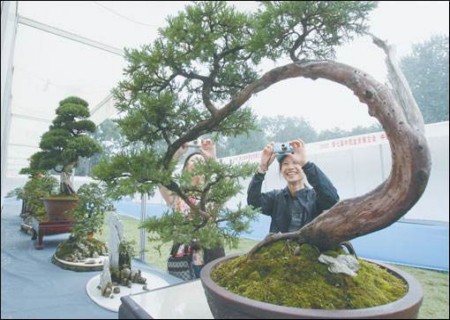
How do you bend and shape a mountain pine bonsai? Master these practical techniques
The mountain pine tree is tall and slender, upright and unyielding, found everywhere across the mountains, and is excellent timber for construction. Its fine qualities are known to all. Therefore, bonsai enthusiasts break with conventional styling and seek out unusual, special and bizarre material in pursuit of innovation. In principle, the styling of mountain pine bonsai takes the display of strength and elegance as its theme
-
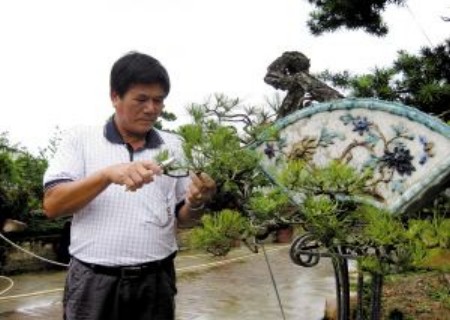
How to Prune and Needle-Control Mountain Pine Bonsai? Detailed Methods and Techniques
Mountain pine, also known as Masson's pine, is a common tree species in the Lingnan region and one of the famous species for making bonsai. Its vigorous, majestic, rugged and ancient-looking trunk, sturdy and upright, evergreen and verdant, is gradually gaining the attention and affection of bonsai enthusiasts. Masters through the ages have often produced outstanding works, and it is deeply welcomed by bonsai lovers. However, its needles tend to be long
-
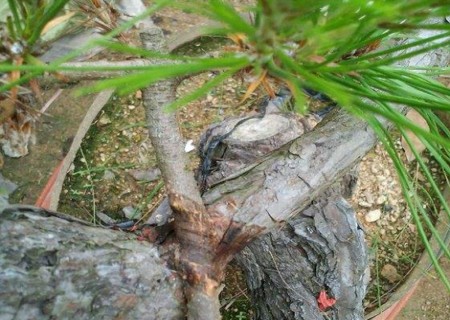
Pine bonsai grafting method illustrated, step by step teaching you how to do it
Grafting can improve quality and enhance ornamental effect, so grafting is also often used in bonsai creation. For deciduous tree bonsai, because the raw material has strong sprouting ability, the first cut after collection is usually to shorten an overly tall trunk, using ideal side branches on the stump base to cultivate a new trunk, carry out dwarfing, and condense it into a scene in a pot. But
-
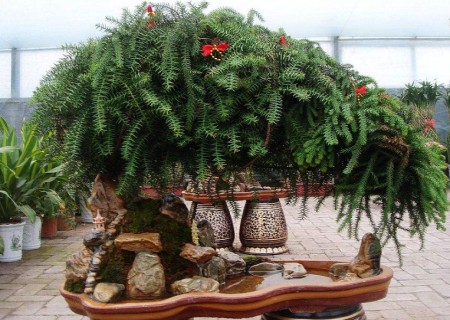
How to prune a Norfolk Island pine bonsai? Detailed methods and techniques
The Norfolk Island pine (Araucaria heterophylla) is a highly ornamental plant with very strong vitality, usually evergreen year-round, and also a great helper for purifying the air, helping humans improve the air environment, so it is often suitable for care indoors in insufficient light and prefers warmth. Large Norfolk Island pine bonsai have a majestic momentum
-
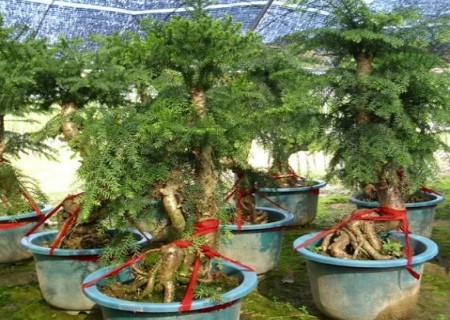
How to propagate the Norfolk Island pine? A detailed guide to common propagation methods
The Norfolk Island pine (Araucaria heterophylla) originates from the southeastern coastal regions of Oceania, such as northern Australia. It is now introduced and cultivated in provinces including Guangdong. Some cities in northern China began introducing Norfolk Island pine bonsai in 2002, and they have grown well. The Norfolk Island pine is a highly ornamental tree species and is rated as one of the world's three major ornamental trees.
-
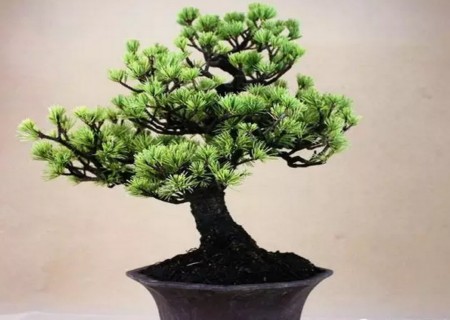
How should you water a five-needle pine bonsai? Practical watering tips shared
The five-needle pine has an upright posture and is a tree species with high ornamental value. It is suitable both for decorating gardens and as an important species for potted plants or bonsai. In bonsai making, the tree's posture must be maintained well and the growth of branches and leaves controlled, so as to achieve a shape with short, dense and vigorous branches and leaves. Today the editor will introduce the watering techniques for five-needle pine bonsai.
-
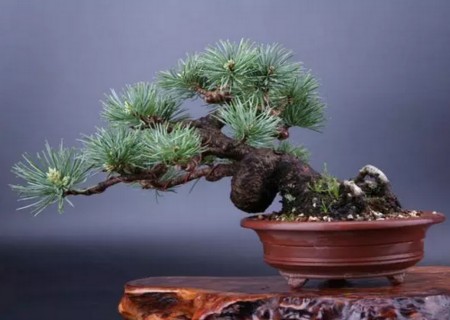
How to Fertilize Five-Needle Pine Bonsai? Detailed Methods and Tips
This tree species is one of the more precious among five-needle pines, generally used as bonsai material, rarely grown in the ground. Five-needle pine has low fertilizer requirements, and fertilization should not be excessive or too concentrated. Too much fertilizer will cause leggy shoot growth and longer needles, detracting from its ornamental value. Five-needle pine is relatively cold-tolerant and shade-tolerant, preferring well-drained, slightly acidic soil
-
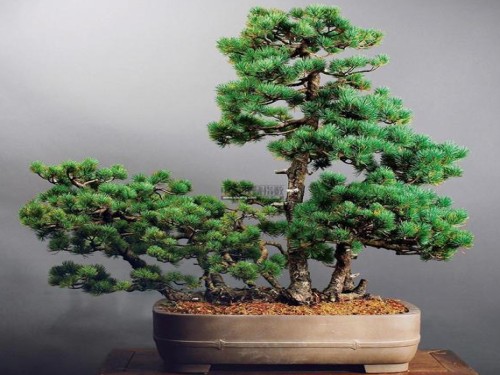
Detailed Explanation of Bud Pinching Techniques for Five-Needle Pine Bonsai
Bonsai is a concrete yet subtle representation of natural scenery, a profound and passionate exploration and reflection of natural beauty. The five-needle pine has an upright posture and is a tree species of high ornamental value; it is suitable both for embellishing gardens and as an important tree species for potted cultivation or bonsai. To maintain a good tree form and control the growth of branches and foliage
-

How to shape a five-needle pine bonsai? A detailed guide to practical methods
The five-needle pine is a sun-loving tree species that prefers fertile, loose, acidic soil. It is widely cultivated, with fine, dense, deep-green foliage. It is suitable both for garden accents and group plantings, and is also an important tree species for potted cultivation or bonsai. Shaping the five-needle pine should begin from the young tree stage and be carried out in winter
-
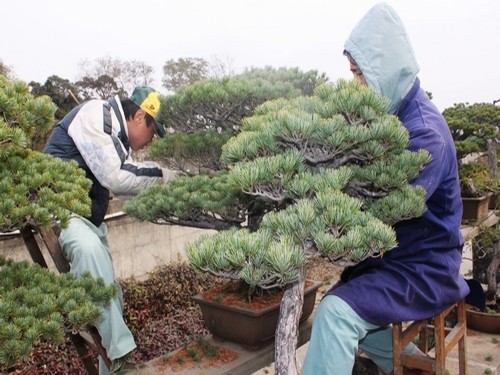
A Complete Guide to Pruning Methods and Techniques for Five-Needle Pine Bonsai
The styling techniques for five-needle pine bonsai share common ground with those for other tree bonsai, yet they also have their own particular characteristics. They should feature naturally adopted forms and well-judged choices of what to keep and what to remove; pruning and branch training should achieve a balanced layout, with an elegant and classical, understated tone. The artist's creative range must be broad: first comes artistic conception, then working out the draft in mind, and determining the theme
条件筛选