-

What are the common physiological disorders of cut lilies
1. Yellowing and leaf drop: yellowing and leaf drop caused by poor soil permeability, followed by root damage caused by salt accumulation and overwatering, as well as nutrient deficiency, overfertilization, water stress, and excessively low temperatures; therefore, improve the soil before planting, and never overwater. 2. Leaf scorch: apart from variety, the cause of leaf scorch is mainly excessive fluctuation in factors such as temperature, light, water, and humidity; calcium deficiency and excessively high fluorine content can also cause leaf scorch. Therefore, in daily management, especially in protected cultivation management,
-
How to prevent and control common physiological diseases of oyster mushrooms?
1. Mycelial overgrowth. In oyster mushroom production, mycelial overgrowth often causes the mycelium to become densely clumped, forming old mycelial skin that fails to produce mushrooms. The main causes are aging of the spawn or subculturing with aerial mycelium during the transfer of primary spawn. In production, if the mushroom house is poorly ventilated, the temperature is too high, or the film is left covering for too long, mycelial overgrowth without mushroom production can also occur. Prevention and control methods: strengthen spawn production management; during the fruiting body differentiation stage, increase the ventilation of the mushroom house and lower the temperature of the mushroom house. When old mycelial skin appears during cultivation, promptly remove the old mycelial skin, score the mycelial block and mycelial film to stimulate mushroom production.
-
What are the common physiological diseases of bag-cultivated shiitake mushrooms?
Physiological diseases, also known as non-infectious diseases, are poor growth phenomena caused by unsuitable growing conditions or the influence of harmful substances in the environment. Although such diseases have no pathogenic agents and are not mutually contagious, once they occur they can cause major losses. In Chunhua, Shaanxi, the most common physiological diseases of bag-cultivated shiitake mushrooms include mycelial thinning, mushroom burning (pile heating), yellow water in the mushroom logs, mushroom log decline, and deformed mushrooms. 1 Mycelial thinning 1.1 Symptoms: mycelial growth is sparse, and the mushroom logs are soft and lack elasticity. 1.2 Causes: ① The substrate had already become moldy before sterilization
-
What is the carbon dioxide toxicity physiological disorder in garlic scapes?
When garlic scapes are packaged in plastic film bags, the carbon dioxide level becomes too high in the later stage, often causing toxicity. It shows as yellow spots on the scape stalk, which gradually sink in, join together, and the tissue becomes necrotic, with water-soaked rot, ultimately causing the garlic scapes to break apart. Sometimes the scape bulbAlso becomes necrotic, giving off an alcoholic smell accompanied by a foul odor. In severe cases, the entire bag of garlic scapes rots, and this has become an important disease in garlic scape storage. In controlled atmosphere storage of garlic scapes, carbon dioxide generally should not exceed 5%, and ventilation should be carried out regularly; in the later stage, carbon dioxide exceeding 13% will cause toxicity.
-
Identification and Control Methods of Physiological Diseases of Reishi Mushroom
Due to the action of abiotic factors, the physiological metabolism of reishi mushroom is often disrupted, leading to disease. Symptoms After physiological diseases occur, deformed mushrooms grow, and the mycelium stops growing or grows poorly and shrinks, and excessive vegetative growth can also occur. Causes During cultivation, improper management leads to poor nutrition of the mushroom body; the temperature in the cultivation room is too high or too low, and ventilation is poor; the water content of the substrate is too high or too low, or the pH is unsuitable; lighting is inconsistent; the bed contains excessively concentrated harmful gases; pesticides and growth regulators are used improperly.
-
Be on strict guard against physiological diseases in edible mushroom cultivation
Wild mushroom: caused by high nitrogen, high moisture and high temperature in the substrate. Control methods: reduce the nitrogen content of the substrate and raise the pH value of the substrate to 8-9. Green mold: caused by a too low pH value, poor ventilation of the substrate bags, and excessive bag temperature leading to a stuffy stack. Control methods: raise the pH value to 8-9, strengthen microporous aeration to promote mycelial growth, and prevent stuffy stacks from high humidity. Dead mushrooms: shortly after pinning, large numbers of small mushroom pins sometimes shrink, turn yellow and even die. This is mainly because the temperature of the substrate bags in the mushroom stack is too high and the heat from mycelial metabolism cannot
-
What are the control methods for common physiological diseases of edible fungi?
1. Mycelial overgrowth After inoculation of edible fungi, vegetative growth is excessive, and the fluffy mycelium grows densely. After casing soil is applied, it often "drills" out of the ground and forms a mycelial mat. This situation is related to the characteristics of the strain and environmental conditions. Low water content in the soil layer, excessively high nitrogen content in the compost, poor ventilation, and excessively high air humidity all easily cause mycelial overgrowth, producing the phenomenon of "mycelium emergence." Common control methods: select high-quality strains; pry loose and break up the hardened mycelial mat; cover with fine soil, increase ventilation, and lower relative air humidity; use heavy watering to promote mycelial
-
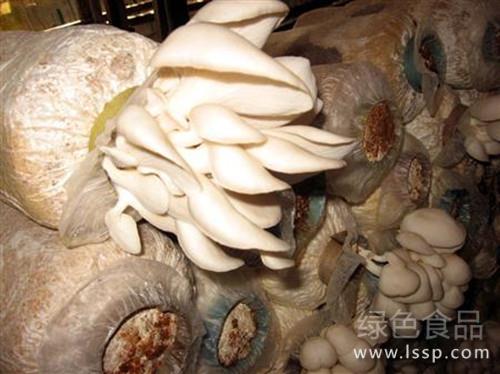
Physiological diseases of edible fungi cause stunted growth and even death; how to prevent and control them
Stunted growth and even death: prevention and control methods for physiological diseases of edible fungi
-
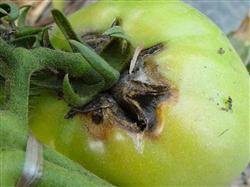
Key Technical Points for Preventing Physiological Diseases of Autumn Tomatoes
Early blight: After onset, concentric ring-patterned lesions appear on the leaf surface, dark brown, water-soaked. Before and after onset, spray with a 500-fold dilution of 70% mancozeb wettable powder, or a 400-fold dilution of 75% chlorothalonil wettable powder, once every 7 days, for 3 to 4 consecutive sprays.
-
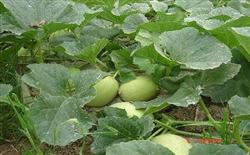
What are the common physiological disorders of watermelons and melons?
I. Causes of gourd-shaped fruit: 1. The fruit is set too far out, water and fertilizer conditions are poor, nutrients cannot be supplied and the fruit cannot swell; 2. The plant's vegetative growth is too vigorous, nutrients all go to the vines, and the small fruits that set are all gourd-shaped; 3. Pollination quality is low, the amount of pollen is insufficient and uneven, the front end of the fruit has many seeds while the base has...
条件筛选