-

Identification of Physiological Disorder Symptoms in Lilies and Their Prevention and Control Methods
Physiological disorders, also known as non-infectious diseases, refer to the disruption of normal physiological metabolic functions in the plant itself caused by factors other than pathogens. The causes of physiological disorders may be internal factors such as mineral element deficiency, tissue aging, or environmental factors such as temperature, light intensity, and abnormal gas composition. I. Leaf scorch: The typical symptom of leaf scorch is the formation of semicircular necrosis at the tip and margin of the leaf, sometimes also manifested as chlorosis or necrosis at the leaf margin, or yellow-green spots appearing on parts of unexpanded or expanded young leaves
-
What are the common physiological disorders of cut lilies
1. Yellowing and leaf drop: yellowing and leaf drop caused by poor soil permeability, followed by root damage caused by salt accumulation and overwatering, as well as nutrient deficiency, overfertilization, water stress, and excessively low temperatures; therefore, improve the soil before planting, and never overwater. 2. Leaf scorch: apart from variety, the cause of leaf scorch is mainly excessive fluctuation in factors such as temperature, light, water, and humidity; calcium deficiency and excessively high fluorine content can also cause leaf scorch. Therefore, in daily management, especially in protected cultivation management,
-
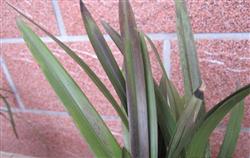
What are the common physiological diseases in orchid cultivation?
What physiological diseases occur in orchid cultivation? Please introduce them and provide guidance on prevention and control methods. For physiological diseases during orchid cultivation, you can refer to the following introduction and prevention and control methods: 1. Sunscald: also known as sunburn, mainly caused by scorching from strong direct sunlight in midsummer. It can be blocked with a shade net to ensure that no direct...
条件筛选