-
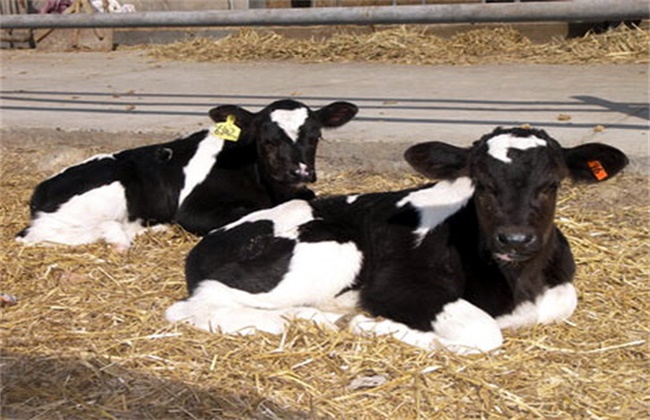
A Comprehensive Analysis of the Digestive Physiological Characteristics of Calves
The Digestive Physiological Characteristics of Calves
-

Detailed Explanation of the Reproductive Organs and Physiological Characteristics of the Female Fox
The reproductive organs of the female fox consist of the ovaries, fallopian tubes, uterus, vagina, and external genital organs. The external genital organs include the vestibule of the vagina, labia, and clitoris. The ovaries of the female fox are located at the third and fourth lumbar vertebrae, at the posterior margin of the kidneys. The left ovary is positioned more anteriorly than the right ovary. The ovaries are flat in shape and grayish-red; during estrus, the ovary is 2 cm long and 1.5 cm wide; the fallopian tubes are 5-7 cm long. The ovaries and fallopian tubes are covered by adipose tissue. The uterus is a bicornuate uterus, with the uterine horns and uterine body suspended by the broad ligament of the uterus on the lower lateral walls of the pelvis. The uterine horns are 10-13 cm long, the uterine body is 4-6 cm long, and the cervix protrudes into the vagina. The vagina is 6-8 cm long, with its anterior end connected to the cervix and its posterior part adjoining the urogenital vestibule. The vestibule has two relatively well-developed protrusions, mating. During mating, the vestibule is stimulated and contracts violently, the two lateral protrusions swell, and together with the bulbous body of the male fox's penis, this results in a copulatory tie. The vulva of the female fox, together with the bulbous body of the male fox's penis, results in a copulatory lock. The vulva of the female fox is round on top and pointed at the bottom; outside the breeding season it is covered by pubic hair and not visible; during the breeding season it shows morphological changes.
-
Detailed Explanation of the Reproductive Organs and Physiological Characteristics of the Female Fox
The reproductive organs of the female fox consist of the ovaries, oviducts, uterus, vagina, and external reproductive organs (vulva). The external reproductive organs include the vestibule, labia, and clitoris. The ovaries of the female fox are located at the third and fourth lumbar vertebrae, grayish-red; during estrus, the ovaries measure 2 cm in length and 1.5 cm in width; the oviducts are 5-7 cm long. The ovaries and oviducts are covered by adipose tissue. The cervix protrudes into the vagina. The vagina is 6-8 cm long, with its front end connected to the cervix and its rear portion adjoining the urogenital vestibule. The vestibule has two relatively well-developed protrusions; during mating, the vestibule is stimulated and contracts violently, the two protrusions swell, and together with the bulbous body of the male fox's penis, a copulatory tie (lock) occurs. The vulva of the female fox is round on top and pointed at the bottom, covered by pubic hair and not visible during the non-breeding season; during the breeding season (i.e., estrus), it undergoes obvious morphological changes.
-
What are the digestive physiological characteristics of donkeys? Read this article to understand
Digestive physiological characteristics of donkeys: Donkeys have hard, well-developed teeth and flexible upper and lower lips, suitable for chewing coarse and hard feed. Donkeys have well-developed salivary glands; every 1 kg of forage can be softened and digested by 4 times its amount in saliva. The donkey's stomach is small, only equivalent to one-fifteenth that of a cow of the same size. The cardiac sphincter of the donkey's stomach is well-developed, while the vomiting nerve is underdeveloped, so it is not easy to feed feed that ferments and produces gas, to avoid gastric dilation. Chyme stays in the stomach for a short time; when the chyme in the donkey's stomach reaches two-thirds, as feeding continues, the stomach contents are continuously
-

What are the physiological habits of pigeons? Read this one article to understand
The physiological habits of pigeons
-

What are the changing patterns of the physiological habits of laying hens?
The changing patterns of the physiological habits of laying hens
-
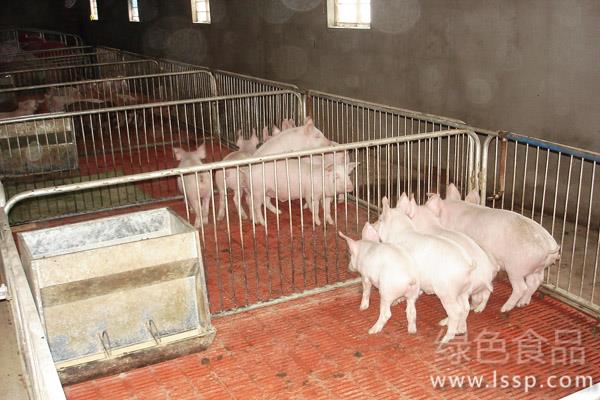
How to raise weaned piglets? Master their physiological characteristics and key feeding management points
Physiological characteristics and key feeding management points of weaned piglets
-
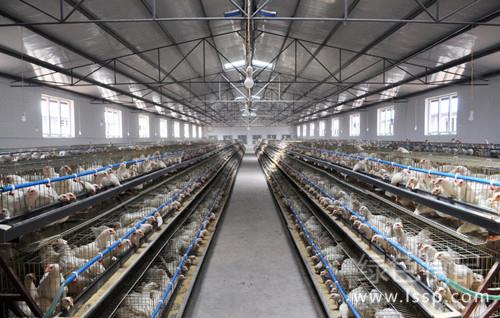
Prevention and Treatment Methods for Physiological Diarrhea Affecting Laying Rate in Laying Hens
Diarrhea Affects Laying Rate in Laying Hens: Prevention and Treatment Methods for Physiological Diarrhea in Laying Hens
条件筛选