Prevention and Treatment Methods for Physiological Diarrhea Affecting Laying Rate in Laying Hens
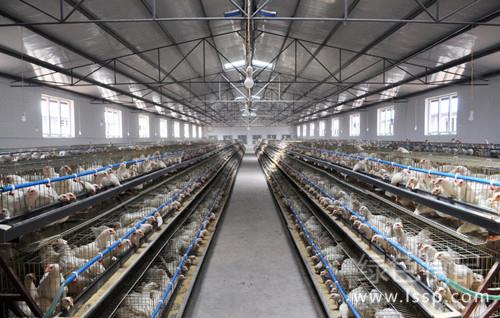
Laying hens
Causes:
1. Switching to layer feed too early: The calcium in the feed needs to be excreted through the kidneys of laying hens. If the switch is made too early, since egg production is low and calcium demand is low, the excess calcium exceeds the excretory capacity of the kidneys, forming urate deposits. The kidneys need to relieve urate deposits by accelerating water excretion, causing watery diarrhea in laying hens. At the same time, the feed contains large amounts of limestone powder or shell powder, which speeds up intestinal peristalsis, leading to non-pathogenic diarrhea.
2. When the crude protein content in the feed is too high and the laying rate is low, the excess crude protein irritates the intestines and causes diarrhea.
3. Newly laying hens have vigorous metabolism and major physiological changes, so even a slight change in feed can easily irritate the intestines and cause diarrhea. Since laying hens from late rearing to pre-laying need relatively low protein and energy, to reduce costs, large amounts of rice bran and wheat bran are often added to the feed, making the crude fiber content too high. The higher the crude fiber content, the longer the persistent diarrhea in laying hens lasts.
Treatment measures:
1. Appropriately control water intake, reducing it to 2/3 of the original amount. Add ampicillin (10 g/50 kg) and vitamin C (5 g/50 kg) to the drinking water, and use continuously for 5 days. Stop the electrolytic multivitamin in the drinking water.
2. Use a kidney-tonifying medicine once every evening for 3 consecutive days to excrete the excess calcium from the kidneys.
3. Strengthen the feeding management and disinfection of sick hens, pay attention to ventilation, and prevent secondary infection by other diseases.
Preventive measures:
1. Reduce the proportion of crude fiber in the feed during the late rearing period of newly laying hens, do not add rice bran, and control the amount of wheat bran added to within 10%.
2. When changing feed, it should be determined according to the flock's rearing conditions. Generally, feed the pre-laying feed for 1-2 weeks. When the laying rate is above 10%, switch to layer feed, and the switch should be completed within 3-5 days to prevent the high levels of limestone powder and crude protein in the feed from irritating the intestines.
3. If the flock uniformity is low, when placing them in cages, strictly select them, put the smaller-bodied laying hens that mature sexually later together, continue feeding them rearing feed until sexual maturity, and only then switch to layer feed.
4. Using microecological preparations for newly laying hens can effectively prevent physiological diarrhea.