A Comprehensive Analysis of the Digestive Physiological Characteristics of Calves
Cattle farming is also very common in our daily lives, and when raising cattle, the rearing of calves is especially important, as it is the key point in ensuring the healthy growth of calves. If we want to raise calves well, then first we need to understand the digestive physiological characteristics of calves well; only by understanding them clearly can we ensure the calves' feed intake and nutrient absorption, and so on. Therefore, today the editor has brought you the digestive physiological characteristics of calves. Let's take a look together below!
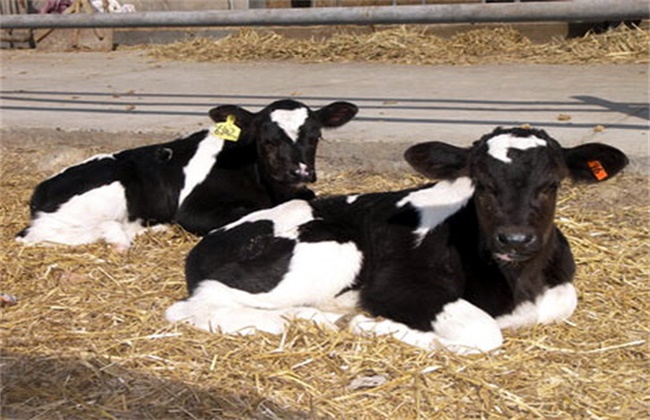
1. Stomach characteristics
Calves refer to young cattle from after birth until the period of weaning. In the first month or so after birth, a calf's digestive system is not fully developed and mature. The rumen, reticulum, and so on are all incomplete. Although at this time the calf's rumen has a relatively large-volume stomach chamber, it also has no digestive capacity at all. At this time, the calf's digestion is mainly based on the omasum. When the calf suckles, a natural reflex action occurs within the calf's body, forming a tubular structure inside the body that allows the milk to directly enter the abomasum for digestion. Calves at this stage should still be called monogastric animals.
2. Abomasum characteristics
During the growth of a calf, the capacity of its abomasum generally accounts for about 70%. However, after reaching adulthood, its proportion is only about 8%. Before the calf has used the rumen as its main digestive organ, its digestion of proteases is very weak. Therefore, before the calf's rumen development is complete, we need to use milk as the diet. At this time, the abomasum is the main digestive organ, and the rennin produced by the abomasum will carry out digestion. As the calf ages, the activity of lactase will decline to some extent. In addition, in the calf's digestive system, the activity of enzymes such as maltase is also relatively low, but it will begin to strengthen with increasing age in days.
3. Rumen characteristics
With the growth and development of the calf, the calf's various organs and functions will also gradually strengthen. At about three weeks of age, the microorganisms in the rumen will begin to become active. The papillae on the inner wall of the calf will also begin to develop, and the rumen and reticulum will gradually enlarge. At this time, the calf will begin to consume plant-based feed, and the microorganisms will also produce a fermentation effect on the feed, which is very good for rumen development. Then, as rumen function gradually strengthens, the calf will also begin to develop the rumination function.
4. Reasonable feeding
After birth, a calf's growth rate is very fast. However, its adaptability is relatively poor, especially regarding changes in the surrounding environment, which it cannot effectively and promptly adapt to. Therefore, it is easily affected by adverse environments, causing the calf to develop diseases, and in severe cases it can even lead to death. Among these, diarrhea is a common disease in calves, mainly caused by nutritional factors and non-nutritional factors. At the same time, it is directly related to the calf's digestive system, so when feeding calves, we should pay attention to feeding reasonably according to the calf's digestive characteristics.
The above is a brief introduction to the digestive physiological characteristics of calves. That is all for today's introduction. This article is for reference only, and we hope it can be of some help to everyone!