How to raise weaned piglets? Master their physiological characteristics and key feeding management points
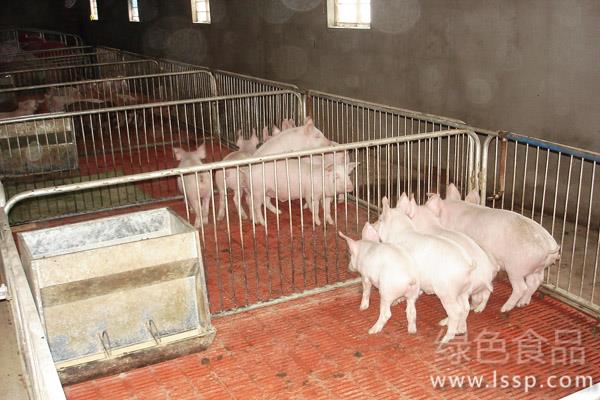
Weaned piglets
In today's society, living standards are rising steadily, and people's demand for quality of life is growing ever higher, especially the demand for meat, and pork plays an important role in this. Therefore, raising pigs well has great value for society, and in the pig-raising process, the nursery stage is the most important and relatively difficult. Below we discuss the nursery care of piglets.
I. Physiological characteristics of weaned piglets
1. Poor cold resistance. Once weaned piglets leave the warm farrowing house and the embrace of the sow, they must go through an adaptation process, and they are especially sensitive to temperature. If they live for a long time in an environment below 18°C, it will not only affect their growth and development but also induce multiple diseases.
2. Fast growth and development. During this period, piglets have a particularly strong appetite and often show scrambling for food and overeating, known as the piglet's peak-feeding period. If nursery feeding management is proper, piglets grow rapidly, and between 40 and 60 days of age their body weight can double.
3. High susceptibility to disease. Because weaning causes them to lose the protection of maternal antibodies, while their own active immunity has not yet been established or is not strong, they are highly susceptible to Haemophilus parasuis, Streptococcus suis, Pasteurella multocida and others. Certain vertically transmitted infectious diseases such as swine fever and porcine pseudorabies may also break out during this period.
II. Key management points for weaned piglets
1. Use high slatted-floor rearing. This consists of slatted floors woven from steel bars or plastic, pens, automatic drinkers, feed troughs and warming boxes; it is generally square, with each pen holding 10 to 20 piglets. A small warming compartment is set on one side of the slatted floor. This kind of nursery pen can improve labour productivity and reduce the incidence of disease in piglets.
2. Pay attention to ventilation and warmth. The room temperature of the nursery house should not be lower than 24°C, and the temperature of the small warming compartment should reach above 28°C. Because there are many pigs in the nursery house and the density is high, a large amount of harmful gases (ammonia, carbon dioxide) can be produced in cold seasons, so while keeping warm, ventilation must be done well to remove harmful gases.
3. During the first week after entering the nursery house, piglets should be put on restricted feeding, eating only until 70 to 80 percent full. This can both enhance digestive capacity and maintain a strong appetite, and can effectively prevent the occurrence of edema disease and diarrhoeal diseases. Weaned piglets should be provided with high-quality compound feed.
4. Piglets during this period are in a critical stage for epidemic prevention and health care. Vaccines such as swine fever vaccine and porcine blue ear disease vaccine must all be administered during this period. At the same time, according to the actual situation of the herd, growth promoters, antibacterial drugs and deworming drugs should be added to the feed as appropriate.