-
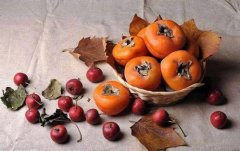
Can Persimmons with an Astringent Taste Be Eaten? Methods to Remove the Astringent Taste from Dried Persimmons
Can persimmons with an astringent taste be eaten? How do you remove the astringent taste from dried persimmons? They can be eaten, but persimmons have an astringent taste while eating them, so what should be done to get rid of this taste? What methods are there for removing astringency? In fact, how quickly persimmons lose their astringency depends both on the variety
-
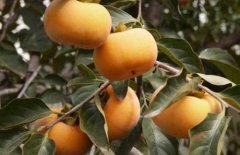
What is the difference between sweet persimmons and astringent persimmons in Taiwan, China, and which has better prospects and prices?
Do you know the yellow peach cultivation technique? But what we are going to talk about today is persimmons. Season-limited persimmons have become the hottest fruit this year because of the heated election battle! Gao Dezheng, deputy director of the Taichung District Agricultural Research and Extension Station of the Council of Agriculture, said that common persimmons in Taiwan, China are divided into astringent persimmons
-
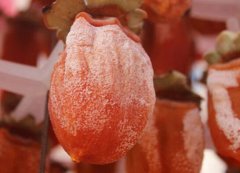
How to Make Homemade Dried Persimmons That Develop a Sugary Frost? The Complete Guide to Making Them
Delicious dried persimmons always have a naturally formed white frost on their surface. This comes from the persimmons naturally releasing it during the air-drying process. Generally speaking, as long as the persimmons are air-dried by hand and naturally, this layer of frost is fairly easy to produce. The method for making dried persimmons is as follows: 1. Harvest
-
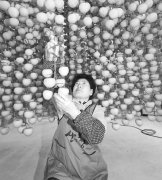
The Origin Story of Korean Dried Persimmons and the Flavor Characteristics of Fuping Dried Persimmons
Whether among the Hakka people or Koreans, the persimmon tree grows very easily, but the ripe fruit does not keep well, and so dried persimmons came into being. The fiery red persimmons hanging all over the branches are a common autumn sight in Korea, and persimmons are also a relatively cheap fruit in Korea. New
-
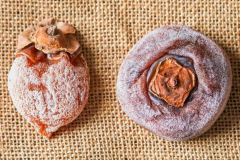
An Introduction to the Characteristics and Production Methods of Qingzhou Hanging Persimmon Cakes
The winter solstice has quietly passed, and the persimmons have been off the trees for some time now. Finally, the bright red, honey-sweet persimmon cakes are here. Qingzhou persimmon cakes not only have naturally formed frost, but also feature thick frost, a bright base, a moist texture, and a sweet, fragrant taste. In the Ming Dynasty, they were even elevated to a royal tribute.
-

How much is a jin of persimmons in 2019? With persimmon tree cultivation techniques
Persimmon is a nutritious fruit with medicinal and economic value. After processing, persimmons can be made into dried persimmons, which have a soft, glutinous and delicate taste. Persimmon trees can be made into furniture, decorations and carvings. They are planted in many places in our country and have a very strong ability to adapt to the environment.
-
Can Persimmons Be Eaten Raw? Precautions for Eating Raw Persimmons
Persimmon is a fruit popular in the market, rich in nutrients, and loved by many people in the market, but raw persimmons taste very astringent. Can persimmons be eaten raw? 1. Can persimmons be eaten raw? Persimmons cannot be eaten raw. In un-deastringed raw persimmons, the tannic acid and
-
When Are Persimmons in Season? A Complete Ripening Schedule by Variety
As a fruit welcomed by everyone, persimmons taste sweet and are very affordable, and their high nutritional value keeps them hugely popular. So do you know when persimmons are generally in season? Here is a ripening schedule by variety. 1. The
-
What is the best time to plant persimmons?
Summary Persimmons are generally planted after leaf fall in autumn and before bud break in spring, that is, November, as well as February to March, are the more suitable planting times for persimmons. Persimmons are generally propagated by grafting, and their planting density is determined by terrain, soil, variety, management conditions, etc.
-
Causes of Black Bottom in Persimmons and Control Methods
Persimmon is a berry-type fruit of the Ebenaceae family. The ripening season is around October. The fruits come in many shapes, such as spherical, oblate, nearly conical, and square, etc. Different cultivars range in color from light orange-yellow to deep orange-red, in size from 2 cm to 10 cm, and in weight from 100 g
条件筛选