-
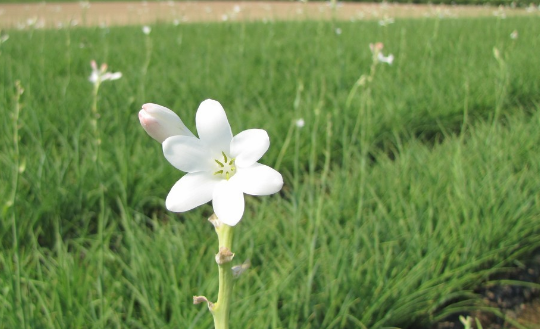
Tuberose (Polyanthes tuberosa) of the Amaryllidaceae suborder: cultivation methods, precautions, toxicity, and benefits
Tuberose is very easy to plant and to force into bloom, which makes it one of the most important cut flowers. So what are the cultivation methods and precautions for tuberose? Is it toxic? What benefits and effects does it have? According to the available information, tuberose dislikes waterlogging; if it is too dry, the leaf edges curl and the flower buds shrivel.
-
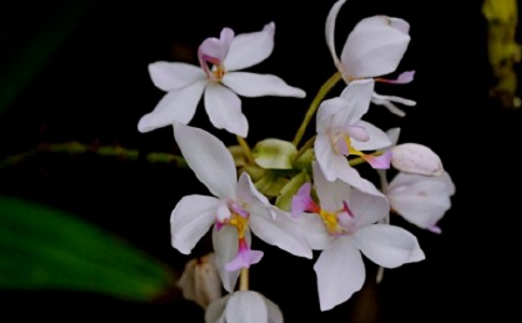
Growing Methods for Spathoglottis in the Asparagales Order, with Notes on Fertilizing and Watering
Spathoglottis is a plant in the orchid family (Orchidaceae), genus Spathoglottis. So what are the growing methods and precautions for Spathoglottis? How do you fertilize it? How do you water it? According to available information, Spathoglottis generally grows on ancient cliff walls on the slopes of deep mountains and secluded valleys, in places with shade, short sunlight hours, or only scattered, dappled light. It likes shade by nature and dislikes direct sunlight.
-
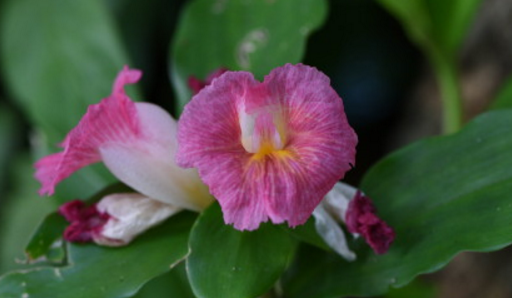
Cultivation Methods and Precautions for Costus speciosus of the Order Zingiberales, Plus Its Propagation, Effects and Uses
Costus speciosus, also known by the aliases Guang Shanglu, Shui Jiaohua, "Baitou Daolao" and "Laomama Guaigun", so what are the cultivation methods and precautions for Costus speciosus? How is it propagated? What effects and uses does it have? According to available information, Costus speciosus is quite adaptable and can grow in all kinds of soil.
-
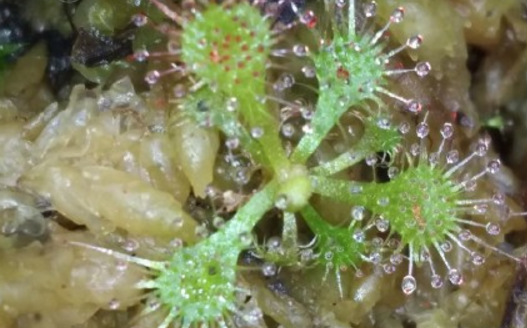
Cultivation and Sowing Methods of Drosera (Sundew) in the Order Nepenthales, Plus Precautions and Benefits
Drosera, also called sundew, so what are the cultivation methods and precautions for sundew? What about sowing methods? What benefits and effects does it have? According to available information, drosera is a plant that likes relatively moist places in Shenzhen, and watersides or moist meadows are the places where it often grows. Drosera comes in rich colors
-
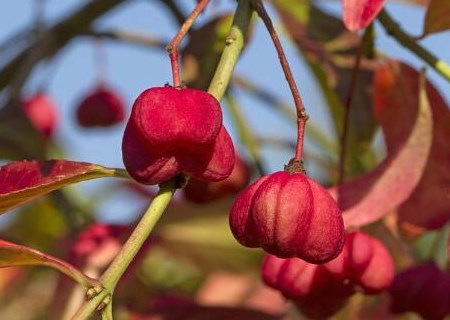
Bonsai Making and Care Methods for Euonymus of the Order Celastrales, Differences from Holly, and Its Effects
The winged branches of Euonymus are unique, its autumn leaves are brilliantly red and eye-catching, and the split fruits are also red, making it very beautiful. It can also be made into bonsai and is truly an excellent ornamental tree. So do you know what the bonsai making and care methods for Euonymus are? What is the difference from holly? What effects and functions does it have? Bonsai making and care methods for Euonymus
-
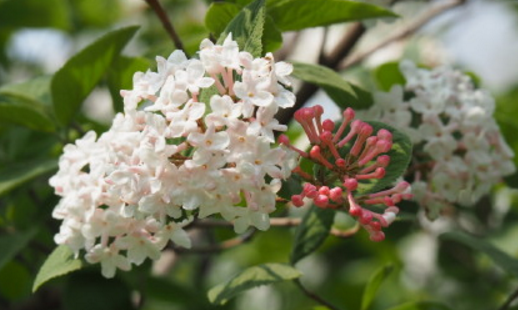
Cultivation Methods and Propagation Methods of Viburnum farreri of the Adoxaceae Order, and How It Differs from Lilac
Viburnum farreri is mainly distributed in temperate regions, and in China it is found in North China, Northwest China and other places. So what are the cultivation methods of Viburnum farreri? How does it differ from lilac? How is it propagated? According to available information, Viburnum farreri likes fertile, loose, well-drained slightly acidic soil and does not tolerate poor soil; Viburnum farreri is not drought-tolerant
-
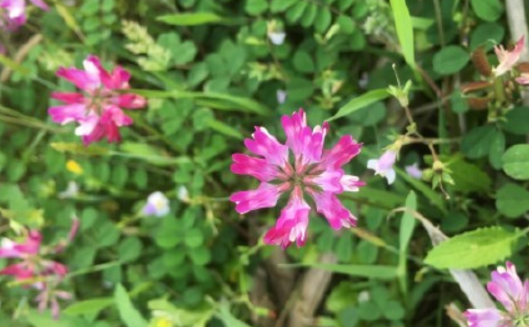
Rosaceae suborder: Milk vetch (Astragalus) toxicity, cultivation methods and precautions, and differences from alfalfa
Milk vetch is a herbaceous plant with pinnately compound leaves that produces flowers, so is milk vetch toxic? What are its cultivation methods and precautions? What is the difference from alfalfa? According to the information, milk vetch prefers a warm and humid growing environment, can tolerate cold, and requires sufficient water during cultivation
-
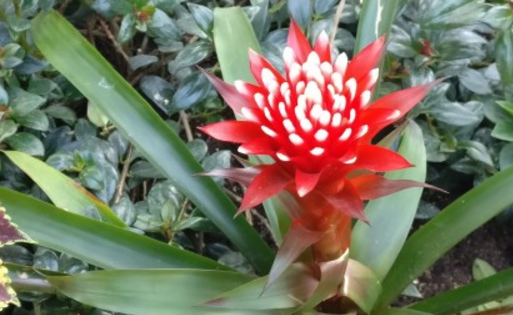
Billbergia nutans in the Pineapple suborder: flowering time, care methods and uses explained
Water tower flower, also called flame bromeliad, Billbergia, red algae bromeliad, water tank bromeliad, etc. So when does the water tower flower bloom? How to care for it? What is it used for? According to information, the water tower flower likes warm, humid and semi-shady growing environments. It is not very cold-tolerant and can tolerate drought. When cultivating the water tower flower
-

Detailed Explanation of the Key Processing Techniques for Sichuan Border Tea
Sichuan border tea has a long production history. Since the Song Dynasty, successive governments have implemented the "Tea-Horse Law." In the Ming Dynasty (1371-1541 AD), "Tea-Horse Offices" were established in Ya'an, Tianquan, and other places in Sichuan to manage the tea-horse exchange. South Road border tea is made by harvesting and processing tea branches and leaves. The fresh leaf raw materials for South Road border tea are relatively coarse and old; they can be hand-picked or knife-cut. Hand-picking involves old leaves or branches and leaves of the current year; knife-cutting involves mature new shoot branches and leaves of the current season or year. South Road border tea is divided into "Maozhuang tea" and "Zuozhuang tea" due to different processing methods. The harvested fresh branches
-
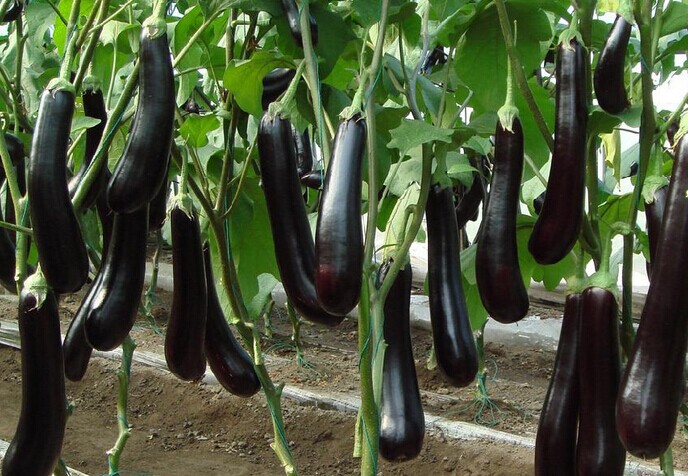
How to prevent physiological disorders in greenhouse eggplants during the low-temperature and low-light period?
Greenhouse eggplants must be protected from physiological disorders during the low-temperature and low-light period
条件筛选