-

What are the occurrence patterns and control measures of the tea tussock moth?
The tea tussock moth is an important pest in China's tea-growing regions, an insect of the genus Euproctis in the family Erebidae of the order Lepidoptera, also known as the tea yellow tussock moth, head-swinging worm, etc. It is distributed in all tea-producing provinces of China, mainly damaging tea leaves, and can also damage tea-oil camellia, citrus, etc. When outbreaks are severe, tea plant
-
Occurrence and Damage Characteristics of Tea Tussock Moth and Integrated Control Methods
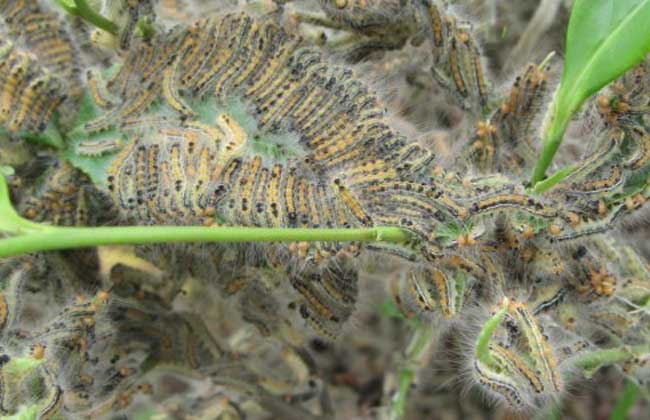
In recent years, with the development of pollution-free tea and organic tea production, the frequency and amount of chemical pesticides used in tea gardens have decreased, and some tea gardens even do not use chemical pesticides, resulting in aggravated damage by the tea tussock moth in a short period. In the county where the author works, tea tussock moth damage has occurred for several consecutive years, and after being damaged, the tea plants were left with only bare branches, greatly affecting the economic income of tea farmers. 1. Damage symptoms: The tea tussock moth larvae bite and feed on leaves, causing leaf notches and bare branches. 1st-2nd instar larvae gather on the underside of leaves to feed on the mesophyll, leaving only the epidermis and veins, and the damaged leaves appear transparent
-
What are the control methods for tea tussock moth in tea gardens?
The tea tussock moth, also known as the tea yellow tussock moth and the head-swaying worm, belongs to the family Lymantriidae of the order Lepidoptera. It is distributed in every tea-producing province nationwide and is an important pest in China's tea regions. It mainly damages tea leaves and can also damage oil tea, citrus and others. Young larvae bite and feed on old tea leaves, leaving a semi-transparent membrane, and later bite young shoots and mature leaves, leaving notches. The larvae feed in groups, often dozens to hundreds gathering on the underside of leaves to feed. When the outbreak is severe, tea leaves are eaten almost completely.
-
A Detailed Guide to the Control Methods for Tea Tussock Moth in Tea Gardens
Control Methods for the Tea Tussock Moth
-
条件筛选