-
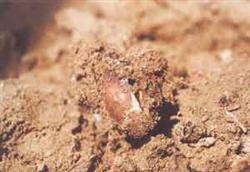
How to prevent and control seed rot after sowing spring peanuts
After sowing spring peanuts and before emergence, seed rot often occurs, with severe cases reaching a rot rate as high as 20%, causing missing plants and broken rows to varying degrees. Causes of seed rot: poor seed quality or improper storage, or too long a storage period; low-lying terrain, heavy clay soil, poor texture, and high soil water content, resulting in a long emergence time for seeds; poorly consolidated seedbed preparation, which affects the...
-
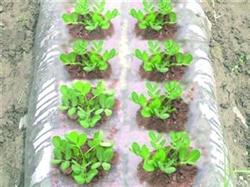
Eight Precautions for Film-Mulched Cultivation of Spring Peanuts
Applying film-mulching cultivation technology to peanut production can raise temperature, ensure full stands, retain water and preserve fertilizer, thereby achieving increased yield, higher income and giving a head start on the season. In 2002, our institute conducted a comparative trial of film-mulched cultivation of spring peanuts, obtaining a plot trial yield of 402.75 kg per mu and a field yield of 367....
-
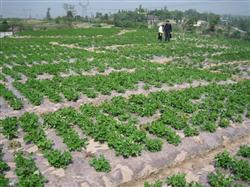
Detailed Explanation of Key Points for Plastic Film Mulch Cultivation Techniques for Spring Peanuts
Anxi County has promoted plastic film mulch cultivation techniques for spring peanuts. Under similar conditions, yields are generally 15-20% higher than open-field cultivation, and Aspergillus flavus disease is reduced, peanut quality is improved, and good benefits are achieved. The cultivation techniques are as follows: 1. Variety selection: Choose "Shanyou 71," a variety with strong disease resistance, good waterlogging tolerance, and suitability for paddy fields with good fertilizer and water conditions...
-
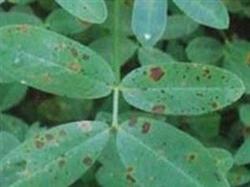
Detailed Explanation of Key Techniques for Mulched Cultivation of Spring Peanuts
The main pest from the seedling stage to the pegging stage is aphids. Control threshold: 1000 aphids per 100 hills; per 667 sq m, use 6-8 g of 50% pirimicarb or 20 mL of 40% omethoate, mix with 50 kg of water, and spray for control. Attention should also be paid to protecting natural enemies (ladybugs). When the ratio of ladybugs to aphids reaches 1:80-100, ladybugs can be used to prey on...
-
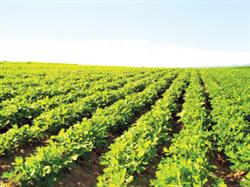
Good results with plastic film mulching cultivation of spring peanuts
Applying film mulching cultivation technology in peanut production can raise temperature, ensure full stands, retain water and preserve fertilizer, thereby achieving the goals of increased yield and income. In 2002, the author conducted a comparative experiment on film mulching cultivation of spring peanuts, achieving a plot yield of 402 kg per mu, a field yield of 367 kg per mu, and...
-
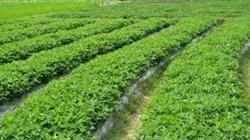
How to plant spring peanuts at a reasonable density? Key technical points on planting density
To achieve high yields of spring peanuts, six technical steps must be mastered: 1. Select excellent varieties. Good seed is the foundation for high yields, so varieties with strong resistance, high yield and high oil content should be used first. In recent years, trials have shown that "three-high" good varieties such as Shanyou 523, Shanyou 71, Yueyou 79, Guihua 21 and Wuyou No. 7. When planting, also...
-
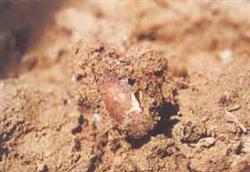
What to Do About Seed Rot in Spring Peanuts? Detailed Explanation of Causes and Control Methods
Symptoms: After spring peanuts are sown and before emergence, seed rot often occurs, with severe cases reaching 10%-20%, causing varying degrees of missing plants and broken rows. Causes: Poor seed quality or improper storage, or overly long storage periods; low-lying geothermal areas, heavy clay soil, poor soil texture, high soil water content, long emergence time for seeds, poorly firmed seedbed preparation, affecting...
-
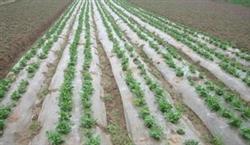
Proper application of the four fertilizers is very important for spring peanuts, and the fertilization method must be mastered
Spring peanut cultivation with plastic film mulching has the advantages of heat preservation, moisture retention, fertilizer retention, improving the soil environment, ensuring uniform and strong seedlings, promoting growth and development, earlier maturity, and increased yield and income. It can usually increase yield by 20%-30%, and increase net income by 50-100 yuan per mu. 1. Fine land preparation and full-layer fertilization for peanut mulching...
-
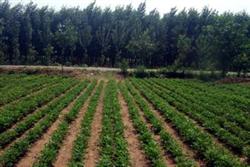
What are the key points of fertilization techniques for spring peanuts?
Calcium can promote pod formation, reduce empty pods and increase the number of filled pods; applying calcareous fertilizer such as lime to acidic soil can also reduce soil acidity and benefit nitrogen fixation by root nodules. Therefore, calcareous fertilizer can improve peanut yield and quality. When peanuts are deficient in calcium, plant growth is slow, roots are thin and seedlings are weak, and the edges and surface of old leaves will show...
-
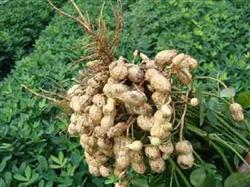
How to Water Spring Peanuts in Drought? A Detailed Guide to Drainage and Waterlogging Prevention
Peanut is an important oil crop in Zoucheng City, with a perennial planting area of 260,000 to 270,000 mu. In order to comprehensively utilize new technologies and new achievements at home and abroad, accelerate the transformation of scientific and technological advances, further explore the laws of high-yield peanut production, fully tap production potential, and increase peanut yields, after more than 30 trials over many years, a high-quality and high-y...
条件筛选