-
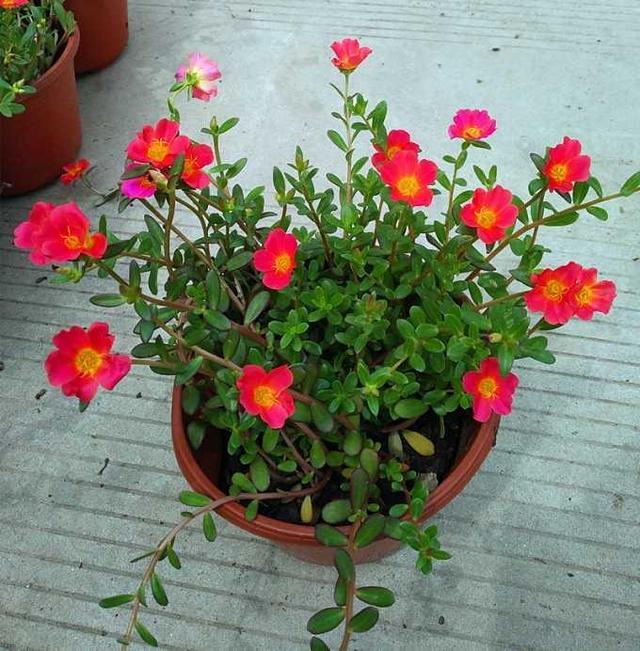
Don't worry about compacted soil: one trick loosens the soil and provides plenty of nutrients
After growing flowers for a long time, soil compaction easily occurs. Generally, the way to deal with soil compaction is repotting, but you can't repot flowers and plants at any time, so what should you do? Don't worry, below I'll share with everyone...
-
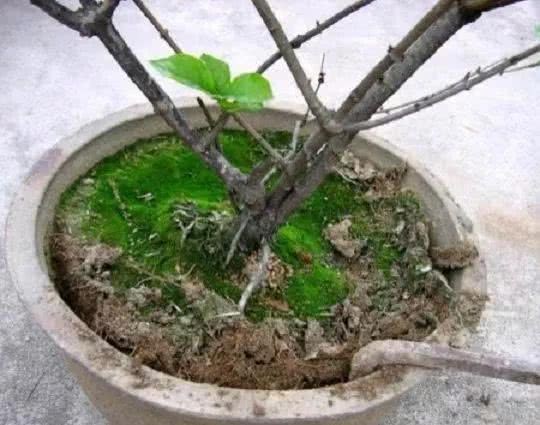
Old potting soil in flower pots is full of bacteria, but after simple treatment it becomes nutrient-rich and makes plants grow especially vigorously
A friend swapped out a pile of potting soil and wanted to reuse it by planting newly bought flowers in it. But can nutrient soil be reused? Nutrient soil is best not reused! At the very least, do not reuse it before it has been disinfected and blended...
-
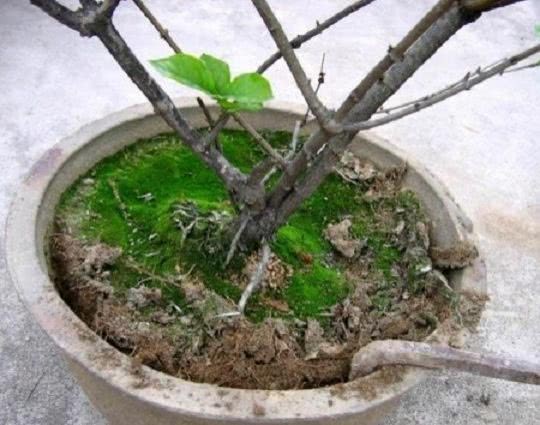
Growing flowers without buying nutrient soil: just pick up some "trash" and put it in the pot, and the flowers will bloom nonstop
A friend replaced a bunch of potting soil and wanted to reuse it by planting newly bought flowers in it. But can nutrient soil be reused? Nutrient soil cannot be reused! At the very least, it cannot be reused before being disinfected and blended...
-
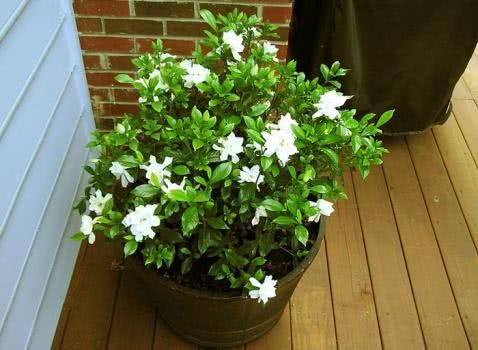
Give a gardenia a spoonful of nutrient solution, and its fragrance is enchanting as it blooms 100 flowers
Summer is here, and many flower lovers' potted plants are not growing well because of the high temperatures. Gardenias in particular, which prefer acidic soil, tend to look droopy as soon as summer arrives and refuse to bloom. Today, the editor will teach you a little...
-
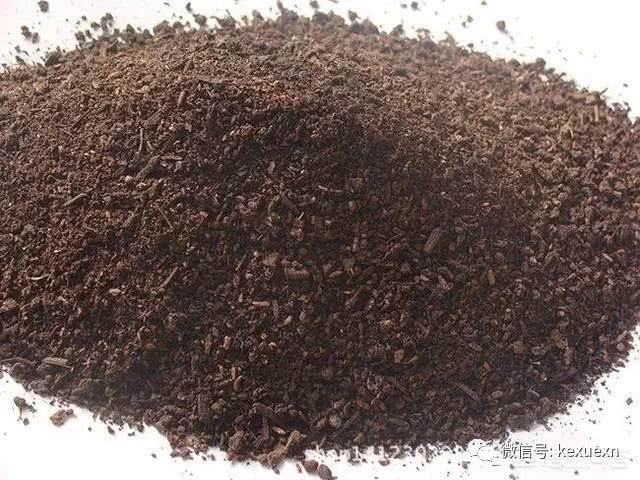
Nutrient deficiency often affects crop growth; there are many solutions, and organic fertilizer is indispensable
Nutrient deficiency is a problem that frequently occurs in crops as well as garden flowers. Sometimes the crop dies before you have even figured out which nutrient is lacking. To solve the problem of crop nutrient deficiency in the long term, the best approach is still to apply more organic fertilizer, which...
-
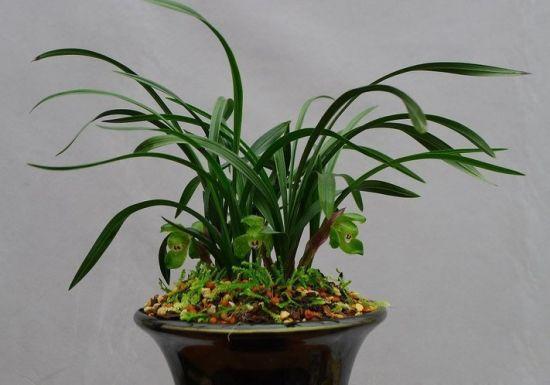
How to supplement nutrients for orchids? Common household materials can provide plenty of nutrients
Orchids are a flower deeply loved by Chinese gardening enthusiasts, generally very common in studies and offices, and able to show off one's personal temperament. Friends who love growing orchids all have this experience: when an orchid grows to a certain point, slow growth appears...
-
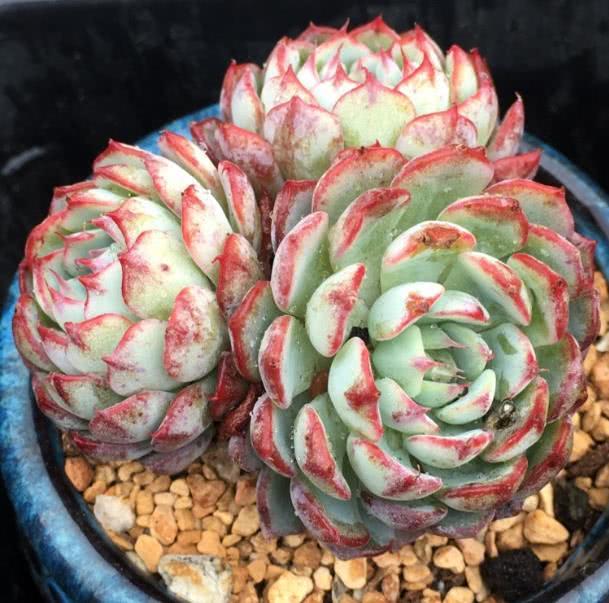
Put something in the bottom of succulent pots: it drains water, improves airflow, and can even provide plenty of nutrients
For home gardeners, if you want plants to grow well, the soil must be airy. If a clay or porcelain pot has only one hole, lining the bottom with a shard of tile or even a thick leaf works too; once the leaf rots, the soil underneath still will not leak out...
-
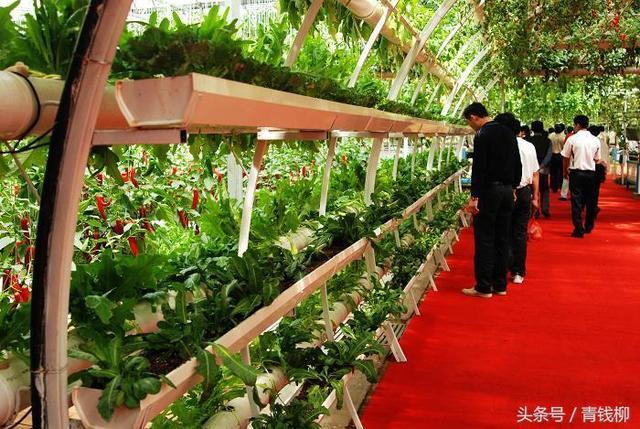
Facility System Construction and Nutrient Management Techniques for Organic Ecological Soilless Cultivation
Facility System Construction and Nutrient Management for Organic Ecological Soilless Cultivation 1 Facility System Construction The organic ecological soilless cultivation system adopts the form of substrate trough cultivation. When finished troughs of standard specifications are not available, locally available materials can be used to build the troughs, such as wooden boards, wooden strips, bamboo poles, or even bricks. In practice, only the frame of the trough without a bottom is built, so it does not need to be particularly sturdy, as long as it can keep the substrate from scattering onto the walkway. After the trough frame is built, lay a layer of 0.1 mm thick polyethylene plastic film at the bottom of the trough to prevent soil-borne diseases and pests from spreading. The trough frame is 15-20 cm high, and the trough width depends on the different cultivated crops. For vining crops such as cucumber and melon, or tall crops like tomato that require support stakes, the standard trough width is set at 48 cm, which can accommodate two rows of crops, with a trough spacing of 0.6-1 m. For shorter crops such as lettuce, bok choy, and strawberry, the trough width can be set at 72 or 96 cm, with a trough spacing of 0.5-0.8 m. The trough length should be determined according to the structural conditions of the protected greenhouse, generally 5-30 m. Under conditions where there is tap water infrastructure or a storage tank with a water level difference of more than 1 m, an independent water supply system can be built for a single greenhouse. For a trough width of 48 cm, 1-2 drip irrigation tapes can be laid; for a trough width of 72-96 cm, 2-4 drip irrigation tapes can be laid.
-
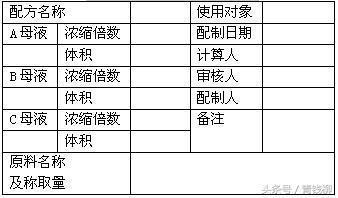
How to prepare soilless cultivation nutrient solution? A complete analysis of the technical key points
Techniques for preparing soilless cultivation nutrient solution The first step in soilless cultivation is correctly preparing the nutrient solution, which is a key technical step in soilless cultivation. If the preparation method is incorrect, some nutrient elements will become ineffective due to precipitation, or affect plant...
-
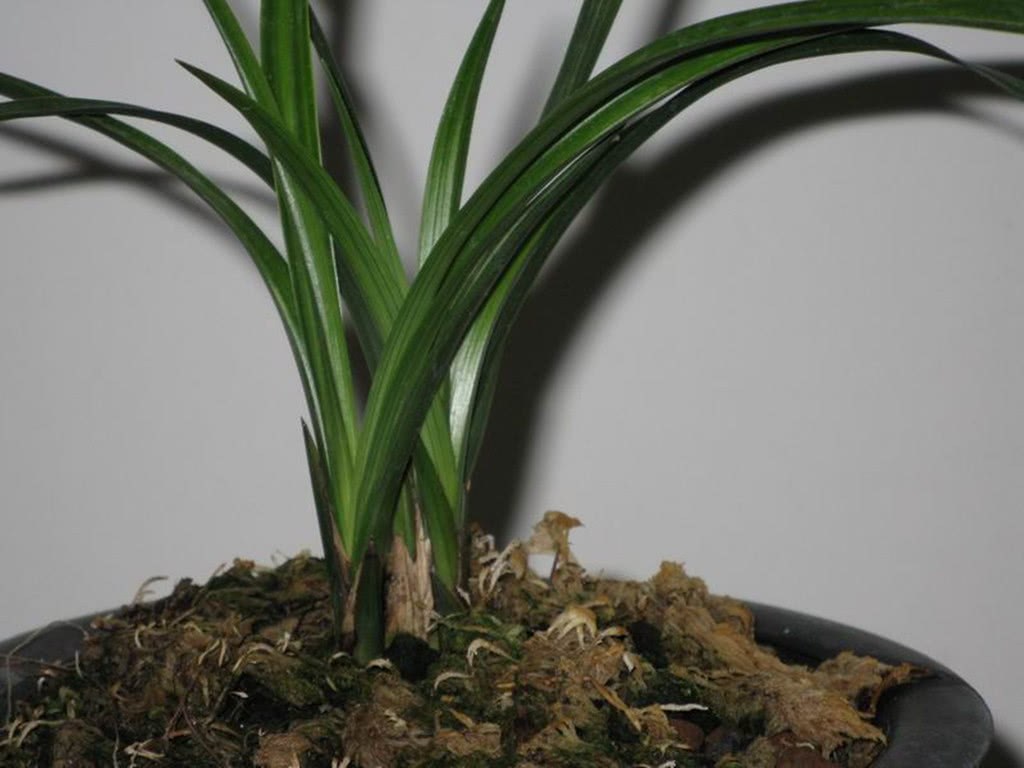
It is true that orchids fall in love with cow dung, because cow dung is too rich in nutrients
The saying "a fresh flower stuck in cow dung" holds true, because cow dung is too rich in nutrients, and orchids have fallen in love with it. As the saying goes: "A fresh flower stuck in cow dung." What this sentence means is that a man and a woman are extremely mismatched, a beautiful woman...
条件筛选