Put something in the bottom of succulent pots: it drains water, improves airflow, and can even provide plenty of nutrients
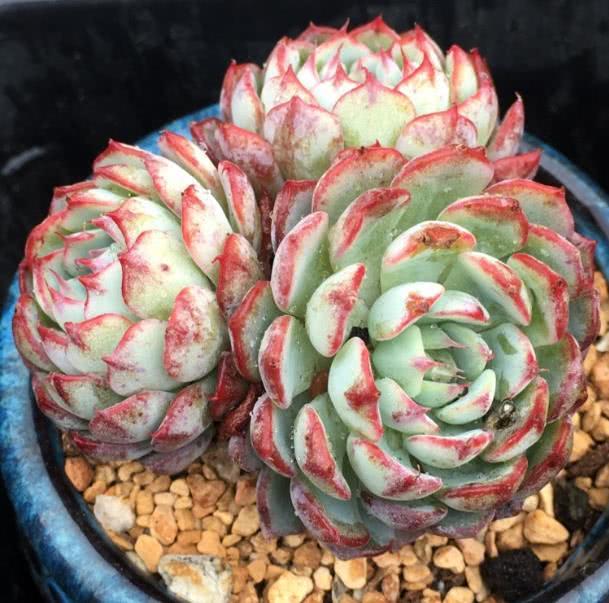
For home gardeners, if you want plants to grow well, the soil must be airy. If a clay or porcelain pot has only one hole, lining the bottom with a shard of tile or even a thick leaf works too; once the leaf rots, the soil underneath still will not leak out. If it is a plastic pot with many holes in the bottom, you can line it with mesh or the like, or reuse things you would otherwise throw away, such as torn socks, unused fabric and so on; anything breathable and permeable will do.
Use broken-up foam: it is lightweight, insulates, and drains freely. Generally, I do not tell people about the jar trick. When growing flowers, waterlogging is taboo; unless the variety likes moisture, drainage must be free. The hole in the bottom of a pot is not only for drainage; to some extent it also lets air through so the roots can breathe, especially with the pottery and porcelain pots commonly used now, which have poor air permeability, so the bottom needs to be even more free-draining. Depending on the size of the pot and the habits of the plant, break the foam board into pieces of the corresponding size, and just as with tile shards, do not completely cover the drainage hole; overlap them so water can drain out through the gaps at the sides.
Charcoal is fairly loose in texture. It not only has relatively strong drainage and air permeability, but its moisture-retaining function is also very good, and it can also prevent root rot and promote healthy growth of flowers. In general use, first break the charcoal into small pieces, wash them clean, let them dry, and then put them into the potting soil. For growing succulents, charcoal granules and river sand can be used; charcoal can help adjust the soil pH, and can also increase the soil's oxygen content and hold water and nutrients, so adding an appropriate amount of charcoal powder or charcoal granules to the soil when growing flowers can do a very good job of improving the soil.
Succulent potting mix is made mainly from peat moss or coconut fiber, mixed with some humus. Whichever one is used, the main function is to provide the medium with a little nutrition and help maintain moisture, making the physical structure of the medium fine and dense. For varieties that need more water and grow relatively quickly, the amount used can be increased as appropriate; it is usually recommended to use peat moss that contains relatively coarse fiber.
Is it good to line the bottom of a flower pot with a layer of fresh grass leaves? It can be, but the effect may not be obvious. You can pile all the fresh grass leaves together with a few melon, fruit and vegetable peels, then pile a layer of soil on top, add rice-washing water, cover with plastic film and ferment it to make humus; the effect will be better. When planting flowers, put some hard, blocky, non-powdering material in the bottom of the pot, such as small stones, broken tile shards or clay pebbles. The purpose of putting stones and so on in the bottom of the pot is drainage. For flowers, water is very important, but most flowers like moisture and fear waterlogging; succulents, for example, are very prone to root rot when drainage is poor.
Most succulents are not cold-tolerant, so they naturally have a hard time getting through winter. When temperatures are low, reduce watering frequency to prevent frost damage. With less water, the concentration inside the succulent's tissues becomes higher, making it less likely to freeze. As in summer, control watering. For especially cold-sensitive varieties, you can skip watering entirely. Cold-sensitive varieties will drop their leaves, stop growing completely and enter dormancy. For these varieties, you can cut off water entirely until spring and wait for new buds to revive. They must spend winter indoors, placed by a window with light and given as much sun as possible; at night, move the plants a little farther from the window to protect them from freezing.
This is a gathering place for succulent lovers, sharing succulent care tips; you are welcome to follow and join the discussion.