-
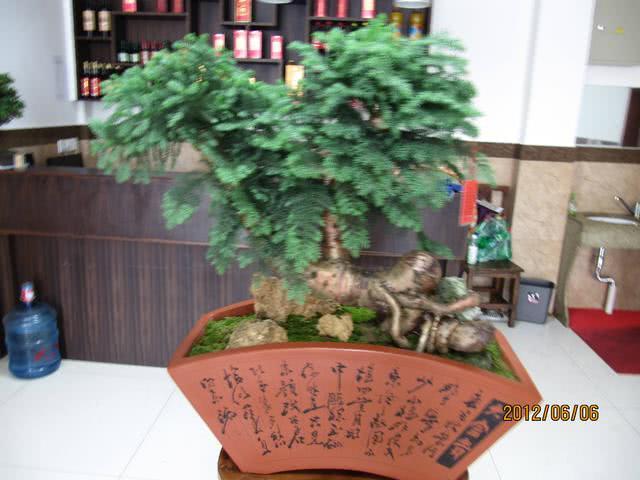
Characteristics of the Australian pine bonsai, cutting propagation techniques and care methods
The tenacious vitality of the Australian pine makes it suitable for mass propagation. Generally in summer, the seeds are first scarified, which helps germination, otherwise the seeds rot and die easily. After treatment, at a room temperature of around 26°C...
-
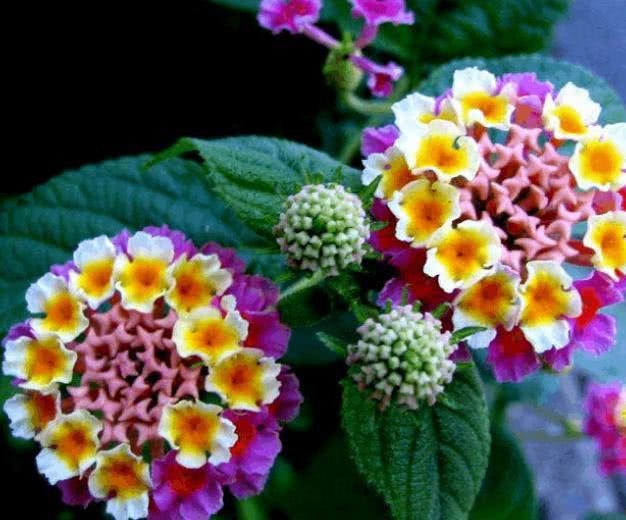
Is Lantana camara toxic? Growing methods and variety introduction
Lantana camara is also commonly known as five-color flower, and because its flower colors are so variable, it can also be called color-changing flower; although its appearance is bright and beautiful, it gives off a pungent odor when it blooms, which can cause discomfort when smelled. Common Lantana camara varieties...
-
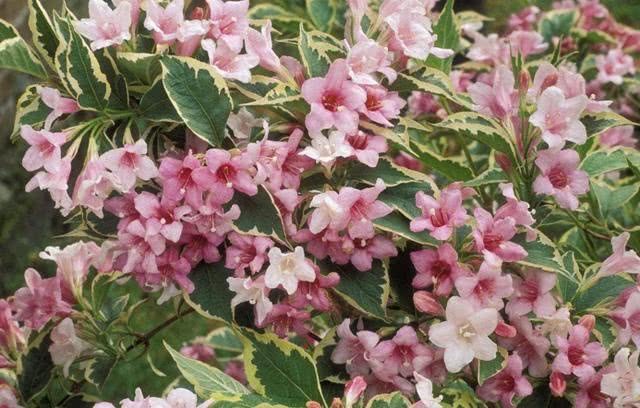
Complete Guide to Weigela Varieties and Propagation Methods: Blooming All Summer Long, Truly Beautiful
Weigela is often also called five-color crabapple; its flower colors are vivid and highly variable, and it has many varieties. Its blooming period can last from spring all the way into summer, so it is planted in parks, gardens, and beside lakes. So what exactly are the weigela varieties...
-
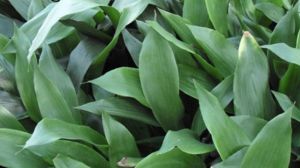
How to grow Aspidistra? Cultivation methods and precautions
Soil: Choose loose, fertile acidic soil whenever possible. Watering: Spray it with water frequently to keep it moist, and always make sure the potting soil is moist enough. Light: There is no need to place it in a bright, sunny spot, but it should not be in too dark a place either. Fertilizing: Before planting, mix leaf-mold base fertilizer into the soil, and apply diluted liquid fertilizer once a week.
-
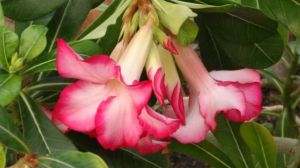
How to Grow a Desert Rose? Detailed Guide to Cultivation Methods and Precautions
Soil: Desert roses should be grown in sandy soil with good drainage. Watering: Watering does not need to be too frequent; in summer, water once every 2-3 days, and in winter, water about once every 7 days. Fertilizing: Fertilize in moderation, once a month is enough. Light: It likes to grow in a high-temperature environment with relatively sufficient light, and some warmth-preserving measures should be taken in winter.
-
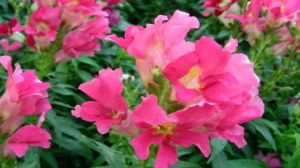
How to grow impatiens? Detailed guide to cultivation methods and precautions
Soil: Impatiens (impatiens, touch-me-not) prefers fertile, moist, loose soil. Watering: Water promptly during the growing season to keep the soil moist. Light: Provide about 4 hours of indirect light each day. Temperature: The most suitable growing temperature is 16-26°C, and the lowest temperature should not drop below 10°C. Management: Loosen the soil and remove weeds promptly, and prune old leaves regularly.
-
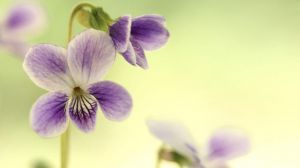
How to grow violets? Detailed guide to cultivation methods and precautions
Soil: Violets prefer well-drained, neutral to slightly alkaline soil. Light: They need some light, but not too intense. Temperature: The suitable temperature is 15-18°C. Watering: Water more appropriately when temperatures are high, and water less appropriately when temperatures are low. Fertilizing: During the vigorous growth period, a dilute fertilizer can be used, applying a compound fertilizer about every 10 days.
-
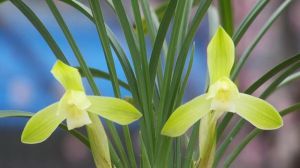
How to grow Cymbidium goeringii? Detailed guide to cultivation methods and precautions
Soil: It is best to choose slightly acidic soil with good air permeability. Temperature: The most suitable growing temperature is 16-24°C, and the maximum temperature must not exceed 30°C. Watering: Water once every 5-7 days in winter, once every 2-3 days in spring and autumn, and 1-2 times a day in summer. Fertilizing: It is best to use a special fertilizer, and apply light fertilizer frequently.
-
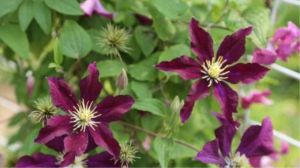
How to grow clematis? A complete guide to cultivation methods and precautions
Soil: well-drained, loose, fertile, alkaline soil. Watering: the amount of water must be small, and good drainage measures should be taken during the rainy season. Light: from autumn to the following spring it can be exposed to direct sunlight, and in summer shade measures should be taken. Fertilizing: during vigorous growth, fertilize once about every 15 days.
-
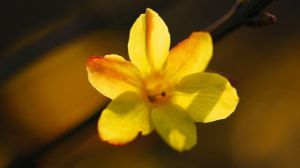
How to grow winter jasmine? Detailed guide to cultivation methods and precautions
Soil: requires fertile, well-draining acidic soil. Watering: water moderately and more frequently in summer to maintain air humidity. Light: give it plenty of light before flowering; during flowering, it is best placed in a room with partial sun and partial shade. Fertilizing: during the growing period, apply decomposed liquid fertilizer about once every 15 days; to make the flower colors vivid, apply an organic liquid fertilizer once before flowering.
条件筛选