Is Lantana camara toxic? Growing methods and variety introduction
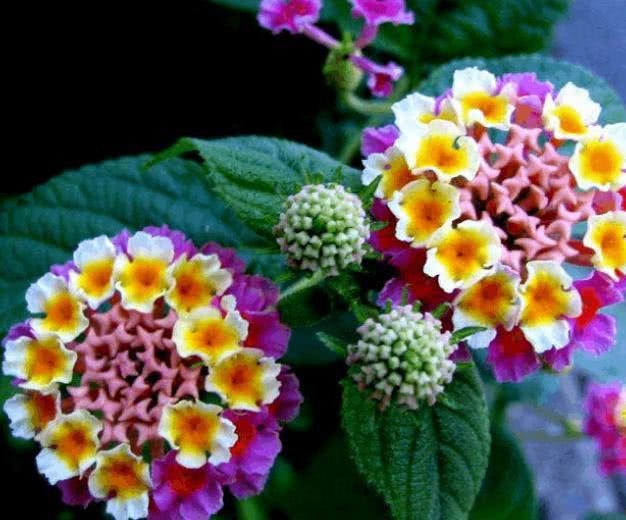
Lantana camara is also commonly known as five-color flower, and because its flower colors are so variable, it can also be called color-changing flower; although its appearance is bright and beautiful, it gives off a pungent odor when it blooms, which can cause discomfort when smelled. Common Lantana camara varieties include white Lantana camara, yellow Lantana camara, trailing Lantana camara, and so on, and precisely because of its uniqueness, many friends become curious about whether Lantana camara is toxic.
1. Avoid poisoning
Lantana camara is indeed toxic, so care should be taken to keep a certain distance from it and avoid touching the plant. During cultivation, if you need to make some adjustments to the plant, such as pruning, take protective measures and choose to wear plastic gloves; if you really accidentally touch the plant, rinse with plenty of clean water and it is best to seek medical attention promptly.
If we want to cultivate some Lantana camara, how should we grow it?
2. Choice of soil
Lantana camara has strong adaptability to the environment and has no special requirements for potting soil. It can grow well whether in poor soil or in fertile, slightly acidic soil; note that for cultivating Lantana camara, choosing fertile, loose soil is most suitable.
3. Light conditions
Lantana camara likes a growing environment with abundant sunlight, and a temperature of around 22-30°C is most suitable for its growth. During the growing period, it can be placed outdoors in a spot with direct sunlight. If there is insufficient light, the branches of Lantana camara will become long and narrow, the stems will be thinner, and the flowers will be relatively sparse, and in severe cases it may even lead to death; if it is winter, the potted plant can be moved indoors to a sunny spot, maintaining the indoor temperature above 16°C to ensure normal growth of the plant.
4. Appropriate watering
Lantana camara likes mild, humid places. During its growing period, be careful to keep the soil moist and prevent it from becoming too dry. In summer, when the temperature is higher, it is best to water thoroughly once every afternoon, and you can also frequently spray a certain amount of water on the leaf surface. On one hand, this allows the leaves to absorb enough water, and on the other hand, it can also increase air humidity. In seasons with more rain, certain drainage should be carried out for potted Lantana camara, as excessive water accumulation will affect the growth of the plant.
5. Fertilizing time
The flowering period of Lantana camara is relatively long. In spring, summer, and autumn, the soil needs to be fertilized 1-2 times per month. Especially after Lantana camara blooms, it should be fertilized continuously so that it keeps blooming. When overwintering in winter, Lantana camara moved indoors should have watering and fertilizing stopped, letting Lantana camara enter a "hibernation" state.
6. Proper pruning
Because Lantana camara grows quickly, its branches and leaves should be pruned in time during its development period to ensure good growth of the plant; generally speaking, after each bloom, the overly long branches and leaves should be cut shorter, and before winter begins, the plant should be trimmed once more.