-
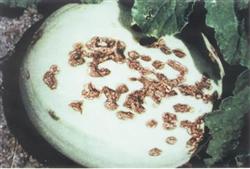
How to prevent muskmelon fruit cracking? Mastering these methods is key
The pathogenic bacteria of bacterial fruit blotch of muskmelon overwinter in seeds and on the soil surface, and can spread through wind and rain, insects, and farming operations, infecting through wounds and stomata. After contaminated seeds germinate, the pathogen invades from the cotyledons, causing disease in the seedlings. At the same time, the pathogenic bacteria can also infect crops such as zucchini, pumpkin, watermelon, and cucumber. Greenhouse...
-
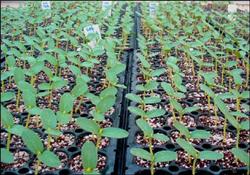
Detailed Explanation of Key Technical Points for Raising Muskmelon Seedlings in Early Spring
To prepare the nutrient soil, use fertile soil that has never been planted with melons or vegetables and fully fermented and decomposed chicken manure or human waste, sift and mix them thoroughly at a ratio of 7:3. For each cubic meter of nutrient soil, add 2.5 kg of superphosphate, 0.5 kg of potassium sulfate, and 15-20 g of 95% hymexazol. To build an electric heating hotbed, 24-26 sq m of seedbed is needed per mu of field. The seedbed is wide 1...
-
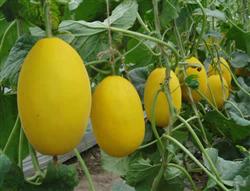
Pruning melon vines in summer requires care: mastering the correct method is key
Muskmelon and watermelon seedlings are sensitive to environmental conditions during the seedling stage. Therefore, when raising melon seedlings under protective cultivation in spring, corresponding measures must be taken according to the characteristics of climate change. 1. Prolonged overcast and low temperatures. Due to insufficient light, the photosynthetic capacity of melon seedlings is weak, nutrient absorption from fertilizer is poor, growth is slow, leaf color is pale, cotyledons easily fall off, and seedlings easily become stunted and...
-
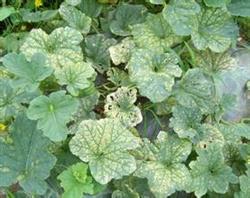
Pollution-free Disease and Pest Control Techniques for Muskmelon
The main pests harming melons include root maggots, mole crickets, cutworms, white grubs, leafminers, pumpkin beetles, aphids, and red spider mites, among others. (1) Root maggot: also called root maggot or melon maggot. It is the larva of the seed corn maggot. The body is about 5 mm long and maggot-shaped, damaging the young roots, young shoots, and tender stems of melon seedlings. Common control methods are as follows: ...
-
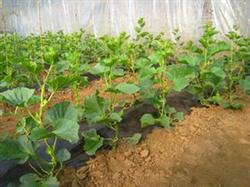
Control Methods for Major Diseases and Pests of Melons
Melon, also known as oriental melon, is one of the high-grade fruits that people love. It belongs to the Cucurbitaceae family, Cucumis genus, melon species, and is an annual herbaceous plant. I. Variety Types and Selection of Improved Varieties Melons are generally divided into two types: thin-skinned melons and thick-skinned melons. Thin-skinned melons, also known as Chinese melons, have thin skin, crisp flesh, and small fruits with a single fruit...
-
How to mix nutrient soil for melons? Sharing practical tips
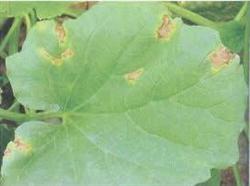
Melon leaf blight, also known as brown spot disease, generally occurs during the peak fruiting stage. It is a fungal disease that can cause melon yields to plummet, with fewer and smaller melons and a greatly reduced sweetness. When external conditions are suitable, it can easily break out suddenly within a short period. The pathogen mainly damages leaves, and often also affects petioles, stems and vines, and fruits. Leaf blight first starts from the base...
-
Detailed Guide to Seed Treatment Methods Before Sowing Melons
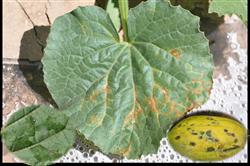
■Symptoms: The symptoms of bacterial fruit blotch on the leaves of common melons and Hami melons are similar to those of angular leaf spot of cucumber on cucumber leaves, but this disease infects the leaf veins and spreads along them. Leaf spots are round to polygonal, with the edges initially V-shaped and water-soaked, later becoming thin in the middle, and the spots dry up. The underside of the spots...
-
What to Do About Potassium Deficiency in Melons? Detailed Prevention and Control Methods
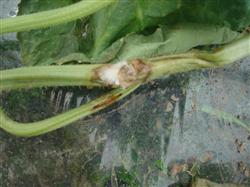
While inspecting the growth of watermelons and melons, a few melon plants at the flowering and fruiting stage were found to be affected by sclerotinia rot. This disease generally occurs sporadically and has no obvious impact on melon production. In a few greenhouses, however, the incidence was more severe, causing dead vines and rotten melons and affecting yield. Prevention and control methods: (1) Pay attention to ventilation and dehumidification, and promptly remove old leaves at the base during the growing period...
-
Detailed Explanation of Key Management Techniques for Melons During the Fruiting Period
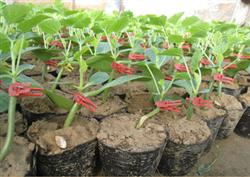
When cultivating melons, continuous cropping is the greatest taboo. To ensure successful melon cultivation year after year, grafted seedlings are used for production in all regions, and the grafting method mostly used is the approach grafting method. Melon growers in Luannan County, Hebei Province, improved the approach grafting method and achieved very good results. Using pumpkins with strong disease resistance and cold resistance as rootstock gives high yields...
-
Causes and Control Methods of Deformed Melon Fruits
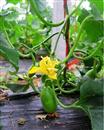
For melons raised in greenhouses and grown with double-film cultivation, the fruit-setting rate is not high, and flower and fruit drop is very serious. According to surveys, some drop rates reach as high as over 70%, especially for thick-skinned melons, where the drop rate is even higher. This affects both yield and quality, delays the melon's time to market, and reduces profits. The reasons are: first, too much base fertilizer was applied...
条件筛选