Pruning melon vines in summer requires care: mastering the correct method is key
Muskmelon and watermelon seedlings are sensitive to environmental conditions during the seedling stage. Therefore, when raising melon seedlings under protective cultivation in spring, corresponding measures must be taken according to the characteristics of climate change. 1. Prolonged overcast and low temperatures. Due to insufficient light, the photosynthetic capacity of melon seedlings is weak, nutrient absorption from fertilizer is poor, growth is slow, leaf color is pale, cotyledons easily fall off, and seedlings easily become stunted and...
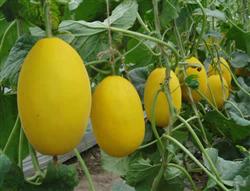 "Plant melons and you get melons; plant beans and you get beans." Whether planting melons or planting beans, a certain amount of skill is needed in management to make the crops grow well. Pruning melon vines is something that must be done during the growing process. Here is an introduction to the relevant techniques:
When muskmelon grows to 4 to 5 leaves, side shoots begin to grow. At this time the side shoots are short and do not compete for nutrients, so they do not greatly affect the plant's growth, and therefore do not need to be removed. When it reaches 6 to 7 leaves, the side shoots begin to lengthen and thicken. At this point they must be removed; if not removed, they will affect the growth of the main vine and cause nutrient imbalance.
Note: Pruning should be done on sunny days, because if done on cloudy or rainy days, the wounds from pruning are not easy to heal and tend to ooze sap, and many pathogens will invade through these spots, ultimately causing the plant to become diseased. Therefore, we must choose sunny days to do it. After pruning, it is best to apply a fungicide once as a preventive measure. When pruning, you should also avoid removing diseased plants together with healthy ones; do not remove good and bad ones all at once, as this may cause unnecessary consequences.