-

How to prevent and control lilac leaf blight?
Symptoms and pathological changes: Brown spots mainly form on the leaves. The spots are round, nearly round or irregular, with dark brown edges and light brown centers. In severe cases, the leaves are covered with brown spots and fall early, leaving only a few leaves on the whole plant. The pathogen is a fungus, Cercospora lilacis. The stroma is spherical, dark brown. The conidiophores are bundled, upright.
-
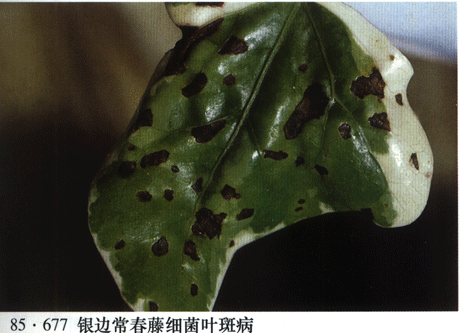
Symptom Identification and Control Methods for Ivy Leaf Spot Disease
Symptoms and pathological changes: In the early stage of the disease, very small round dark spots appear on the leaf surface, with oily-looking halos. They later enlarge and turn black. Some become polygonal, and sometimes brown deposits surround the lesions; occasionally canker spots also form on the petioles. Infected leaves generally do not drop off. The disease overwinters in the diseased tissue
-
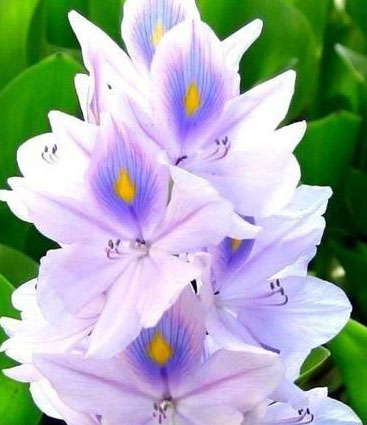
Identification and Control Methods of Hydrangea Leaf Spot
Symptoms and pathological changes: Hydrangea leaf spot is mainly distributed in Sichuan, Henan, Guangdong, Taiwan, China, Jilin, Shanghai, Zhejiang, Hunan and other places. The disease mainly occurs on leaves. The leaf spots are initially light yellowish-brown water-soaked small spots, which later expand into circular or nearly circular spots, 2-5 mm in diameter
-
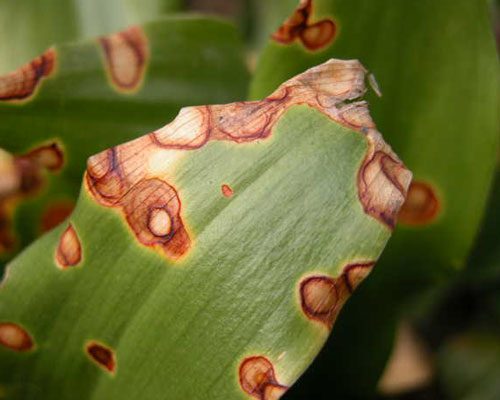
Symptom Identification and Control Methods for Gardenia Leaf Spot
Symptoms and pathological changes: In the early stage, light yellow round spots appear on the leaves, surrounded by orange-red halos, gradually expanding into round, irregular brown spots with faint concentric rings, causing the leaves to dry up. This disease is a fungal disease caused by infection with Glomerella cingulata. The pathogen mainly overwinters as mycelium latent in diseased leaves
-
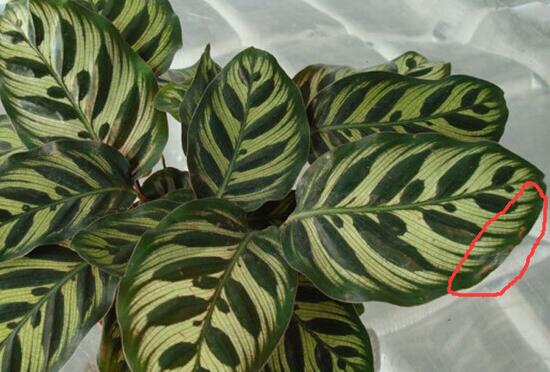
3 Causes of Brown, Crispy Leaf Edges on Calathea makoyana and How to Fix Them - Humidity Must Not Be Low
Calathea makoyana, named for the peacock-feather pattern on its leaves, is a world-famous foliage plant often placed indoors by plant lovers. However, when grown indoors, for various reasons, its leaves can turn yellow and develop crispy edges. So what should you do when Calathea makoyana leaves have crispy edges? On this
-
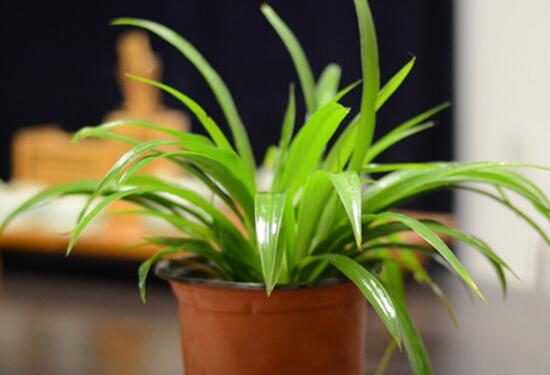
The Benefits and Effects of the Green-Leaf Spider Plant: Fresh Green Foliage with Strong Ornamental Appeal / Absorbs Formaldehyde and Even Has Medicinal Value
The green-leaf spider plant is one member of the spider plant family. Although its leaves lack the golden stripes of the variegated spider plant or the golden-centered spider plant, its foliage is a fresh, vivid green and still strikingly beautiful. In daily life, many people grow the green-leaf spider plant, some for its beauty and others for its ability to absorb formaldehyde. Overall
-
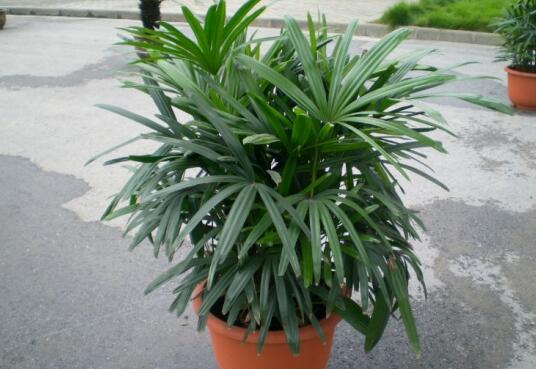
What to do when the leaves of broadleaf lady palm turn yellow: apply light fertilizer frequently, control the amount of watering, pay attention to shading
Broadleaf lady palm is a highly ornamental plant, and keeping it at home brings people many benefits. However, no matter how beautiful a plant is, if its leaves turn yellow, it will affect its overall beauty. So what should you do when the leaves of broadleaf lady palm turn yellow? Below, the editor will walk you through it. 1. What to do when the leaves of broadleaf lady palm turn yellow
-
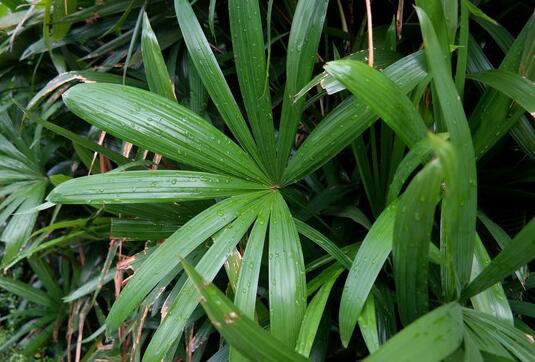
How to repot the broadleaf lady palm? Early March is the most suitable time for repotting
During the cultivation of the broadleaf lady palm, it needs to be repotted once every 2-3 years, which allows it to grow better. However, there are many things to pay attention to when it comes to repotting. So how do you repot a broadleaf lady palm? What are the precautions for repotting a broadleaf lady palm? Let us walk you through it below.
-
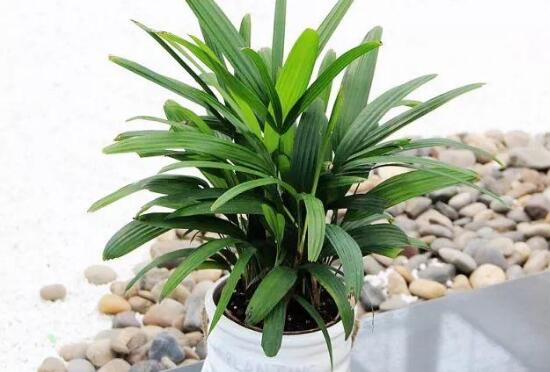
How to grow potted broadleaf lady palm? Warmth-loving care methods and precautions
Gardeners are probably familiar with the broadleaf lady palm, also called Guanyin bamboo; it is a common indoor ornamental plant. In daily life, because the broadleaf lady palm looks very dignified, it is favored by many gardeners. So how do you grow a broadleaf lady palm? For this, the editor has carefully compiled the care methods and precautions for the broadleaf lady palm, very comprehensive.
-

What to Do When a Ponytail Palm Gets Pests? Pest and Disease Identification and Treatment Methods
What to do when a ponytail palm gets pests? This article covers the symptom identification and control methods for the three major pests of ponytail palm - scale insects, plant bugs and whiteflies - as well as leaf spot disease. Spraying with a 1500x dilution of 40% omethoate and other agents, once every 7-10 days for 2-3 consecutive applications, can effectively solve the problem.
条件筛选