-
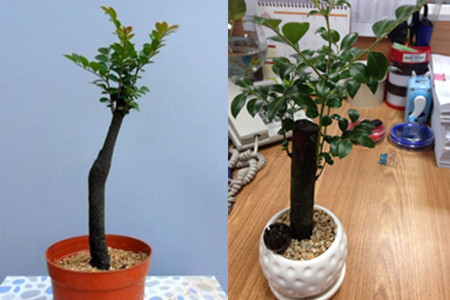
Is the small-leaf red sandalwood bonsai real? Teaching you to tell genuine rare potted plants from fakes
As an ornamental bonsai, the small-leaf red sandalwood bonsai keeps a high price, and there is a saying in the market that an inch of sandalwood is worth an inch of gold. Huge profits drive a steady stream of fakes on the market, and many traders pass off black-bone tea (Dracaena cambodiana) as small-leaf red sandalwood. How do you tell real small-leaf red sandalwood bonsai from fake?
-
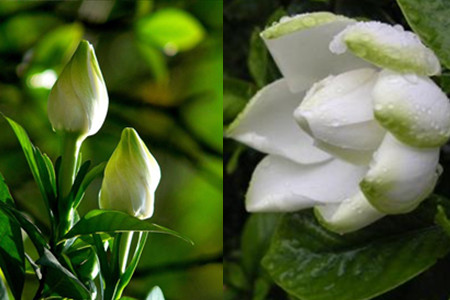
What are the remedies for yellowing leaf veins in gardenia
Many flower lovers have a love-hate relationship with gardenia. Why is that? Because although gardenia is beautiful, it is difficult to grow. During the process of growing it, yellowing leaves are a common problem. Let me teach you how to solve this problem.
-
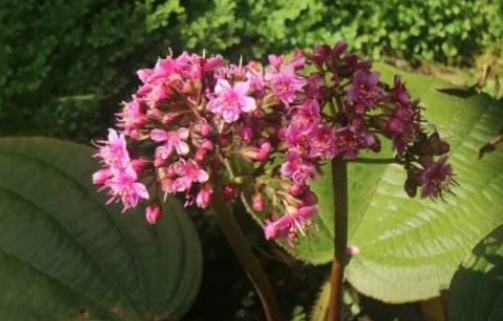
How to grow the tiger-leaf flower? Master these care tips
Soil The ideal growing medium for the tiger-leaf flower is a fertile, loose, slightly acidic soil rich in organic matter, well aerated, with good water and nutrient retention but without waterlogging. It is generally prepared by mixing leaf mold, peat soil and coarse sand in a 2:1:1 ratio, with decomposed cow dung or chicken manure added as a base fertilizer. Temperature The tiger-leaf flower likes to grow in high-temperature
-
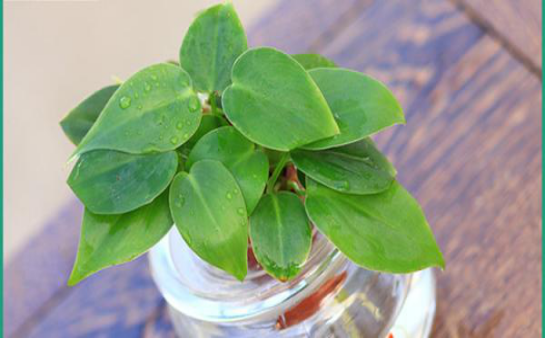
A detailed guide to heartleaf philodendron propagation methods, easy for beginners to master
Cuttings propagation of heartleaf philodendron: Cuttings are best taken from May to September. Cut healthy stems with 2-3 nodes and insert them directly into coarse sand or sphagnum moss, keeping the medium moist and the temperature at around 22-24°C. Roots will form about 20-25 days after insertion.
-
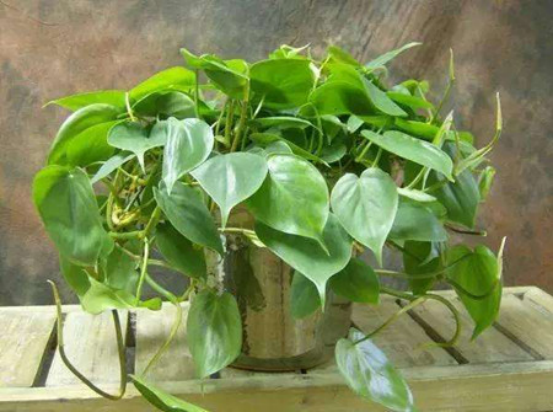
A detailed guide to heartleaf philodendron care: master the techniques with ease
1. Fertilizer supplementation: During the growing season, heartleaf philodendron needs water-soluble fertilizer applied as a top dressing, which helps its early growth; fertilize once or twice a month. In autumn and winter it is the opposite: stop fertilizing, because heartleaf philodendron almost stops growing in autumn and winter.
-
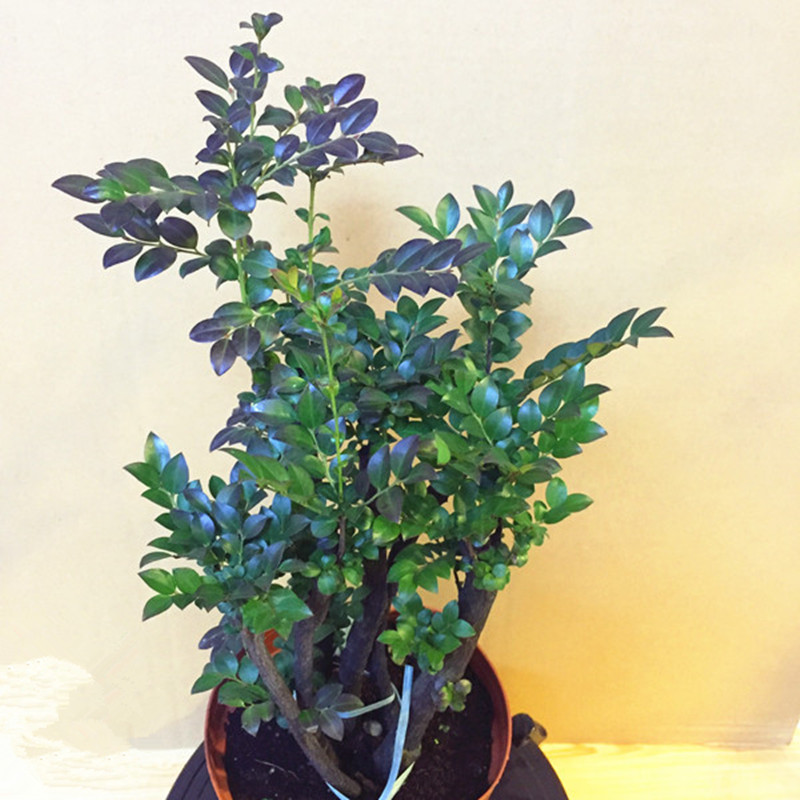
What aspects are mainly reflected in the value of a small-leaf red sandalwood bonsai?
Small-leaf red sandalwood is the raw material for redwood furniture and is a scarce resource. Many people invest in growing small-leaf red sandalwood. Once mature, small-leaf red sandalwood has a notable reputation and a very high market valuation. As a flower enthusiast, if you are only growing small-leaf red sandalwood for ornamental purposes, it is also a fully deserved first choice.
-

What are the pest and disease control methods for Prunus x cistena (purple-leaf sand cherry)?
1. Disease control methods. A strict inspection system must be implemented, and inspections must be carried out before the transport of seedlings. Once crown gall disease is found, the trees must be destroyed immediately, and the site where the diseased trees were planted must be thoroughly disinfected with quicklime or bleaching powder and other agents. Within one week after disinfection, no new seedlings should be planted in that soil.
-
What are the common pests and diseases of the purple-leaf sand cherry?
1. Diseases. The common disease of the purple-leaf sand cherry is crown gall, a bacterial disease. Once infected, it causes the root stem mass of the purple-leaf sand cherry to overgrow into a gall-like shape, which is why it is called crown gall. This bacterium mainly spreads when watering trees, through rainwater and during the transport of seedlings, entering through tree wounds to cause disease.
-
What are the care precautions for Prunus x cistena (purple-leaf sand cherry)?
1. Winter care. Prunus x cistena has a certain degree of cold tolerance; mature plants only need their trunks whitewashed in winter. For saplings planted that same year, mounding soil around the roots or wrapping a ring of straw matting around the trunk can help Prunus x cistena get through the winter. For seedlings still developing
-
How to grow Prunus x cistena (purple-leaf sand cherry)? Growing methods and precautions
1. Light. Prunus x cistena likes sunlight. If the light is insufficient, its leaves will turn greenish, so if you want the leaves to be a bright purple-red, you should plant it in a place with plenty of light. 2. Soil. Prunus x cistena is not demanding about soil.
条件筛选