Symptom Identification and Control Methods for Gardenia Leaf Spot
Symptoms and pathological changes: In the early stage, light yellow round spots appear on the leaves, surrounded by orange-red halos, gradually expanding into round, irregular brown spots with faint concentric rings, causing the leaves to dry up. This disease is a fungal disease caused by infection with Glomerella cingulata. The pathogen mainly overwinters as mycelium latent in diseased leaves. When temperature and humidity are suitable in spring of the second year, the disease develops. A characteristic of this pathogen is that it can also produce large amounts of the sexual state during the growing season. High temperature and high humidity conditions favor disease development. During the transport of gardenia seedlings, poor ventilation and a hot, humid environment result in a high incidence of the disease.
Control methods for gardenia leaf spot: 1. Remove and destroy diseased leaves at any time to reduce sources of infection. 2. Apply chemical control. Before disease onset, spray 1% Bordeaux mixture to protect plants from infection; during disease development, spray 75% chlorothalonil wettable powder at 500-800 times dilution for control. Alternatively, alternately irrigate with alum fertilizer water (made by mixing 2.5 kg ferrous sulfate, 5 kg soybean cake, and 15 kg pig manure, fermenting for 10-15 days until decomposed, then applying) and clean water. A 0.1%-0.2% ferrous sulfate aqueous solution can also be sprayed on the foliage.
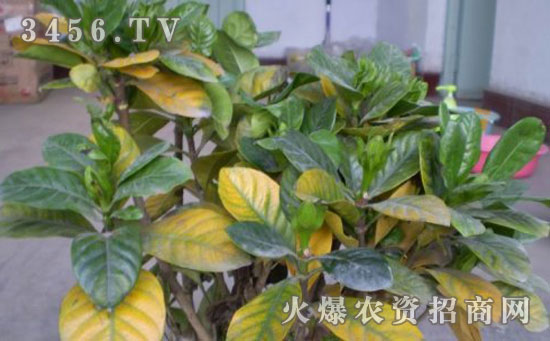
Prevention of Gardenia Leaf Spot
Symptoms and pathological changes: In the early stage, light yellow round spots appear on the leaves, surrounded by orange-red halos, gradually expanding into round, irregular brown spots with faint concentric rings, causing the leaves to dry up. This disease is a fungal disease caused by infection with Glomerella cingulata.
The pathogen mainly overwinters as mycelium latent in diseased leaves. When temperature and humidity are suitable in spring of the second year, the disease develops. A characteristic of this pathogen is that it can also produce large amounts of the sexual state during the growing season. High temperature and high humidity conditions favor disease development. During the transport of gardenia seedlings, poor ventilation and a hot, humid environment result in a high incidence of the disease.
Control methods for gardenia leaf spot:
1. Remove and destroy diseased leaves at any time to reduce sources of infection.
2. Apply chemical control. Before disease onset, spray 1% Bordeaux mixture to protect plants from infection; during disease development, spray 75% chlorothalonil wettable powder at 500-800 times dilution for control. Alternatively, alternately irrigate with alum fertilizer water (made by mixing 2.5 kg ferrous sulfate, 5 kg soybean cake, and 15 kg pig manure, fermenting for 10-15 days until decomposed, then applying) and clean water. A 0.1%-0.2% ferrous sulfate aqueous solution can also be sprayed on the foliage.
Gardenia leaf spot must be prevented in a timely manner. One of the causes of gardenia leaf spot is poor ventilation. It is recommended that during cultivation, you must maintain good ventilation for gardenias. Especially under high temperature conditions, you must pay special attention to this point!
What Are the Common Pests and Diseases of Gardenias? Pest and Disease Control for Gardenias
During their growth, plants inevitably encounter various diseases and pests, and gardenias are no exception. However, the diseases and pests may differ for each type of plant. This article aims to briefly introduce pest and disease control methods for gardenias, as a reference for friends who grow gardenias.
The main diseases of gardenias include leaf spot, anthracnose, sooty mold, root rot, and chlorosis. Indoors, diseases can occur year-round, and in severe cases, plants may lose leaves, drop fruit, or die. Common pests include red spider mites and scale insects. When disease occurs, plant leaves become riddled with holes, which not only affects plant growth but also reduces the ornamental value of gardenias.
I. Control of Common Gardenia Diseases
1. Treatment of Chlorosis
Chlorosis is caused by multiple factors, so different measures must be taken for its control.
Nutrient deficiency: This type of chlorosis starts from the older leaves at the lower part of the plant and gradually spreads to new leaves. Nitrogen deficiency: leaves simply turn yellow, and new leaves are small and brittle.
Potassium deficiency: old leaves turn from green to brown. Phosphorus deficiency: old leaves turn purplish-red or dark red. For the above situations, apply decomposed human manure or cake fertilizer.
Iron deficiency: This type of chlorosis appears on new leaves. Initially, the leaves turn light yellow or white while the veins remain green. In severe cases, the veins also turn yellow or white, and eventually the leaves dry up and die. For this situation, spray a 0.2%-0.5% ferrous sulfate aqueous solution for control.
Magnesium deficiency: This type of chlorosis starts from old leaves and gradually develops toward new leaves, with the veins still remaining green. In severe cases, the leaves drop off and the plant dies. For this situation, spray a 0.7%-0.8% boron-magnesium fertilizer for control. Excessive watering, freezing damage, etc., can also cause yellowing of leaves, so special attention should be paid during care.
2. Anthracnose
In Cixi, it can occur from April to October, damaging leaves; leaf spot can occur from March to November in Cixi, damaging the middle and lower leaves of the plant; chlorosis damages the middle and upper leaves.
Control methods: Strengthen cultivation management, do a good job of cleaning the garden, reduce sources of pests and diseases, promptly remove diseased branches and leaves, eliminate weeds in the garden, and burn or deeply bury them in a centralized manner to reduce sources of infection. Prune in a timely manner, improve the ventilation and light penetration of the tree canopy, and enhance tree vigor. Pay attention to drainage during the rainy season to lower the groundwater level and field air humidity.
II. Common Gardenia Pests
1. Red Spider Mites
Damage symptoms: Red spider mites mainly damage gardenia leaves. Red spider mites parasitize gardenias and mainly feed on leaf sap, often gathering on the underside of leaves. Plants infested by red spider mites have yellowing leaves and weakened growth. In addition, red spider mites reproduce faster in high-temperature, dry environments.
Control methods: First, maintain appropriate environmental humidity so as not to create conditions for red spider mite reproduction. When the air is dry, spray frequently to lower the temperature and increase humidity. Second, when red spider mites are found, immediately wash them off with clean water to eliminate them. Third, at home, you can soak yellow tobacco leaves or leftover cigarette butts in water and spray the solution, which has a clear contact-killing effect.
2. Scale Insects
Damage symptoms: Scale insects are pests that damage gardenia branches and leaves. Although small in size, their destructive power should not be underestimated. Scale insects feed on plant sap. In mild cases, leaves yellow and drop, and plant growth weakens; in severe cases, the entire plant dies, greatly affecting the growth and development of gardenias.
Control methods: Scale insects are relatively small, often gather together, and secrete a waxy substance, appearing like a mass of white wax powder. Simply pick them off with a wooden stick and crush them. Alternatively, spray an 80% dichlorvos 1000-times solution to kill them. Every year when spring arrives and flowers bloom, spray 0.2-0.5 degree lime sulfur mixture to kill insect eggs. This method plays a major role in preventing pest outbreaks.
This article only introduces the control methods for a few common gardenia pests and diseases. If you encounter other pests and diseases while growing gardenias, you may consult relevant technical personnel.