-
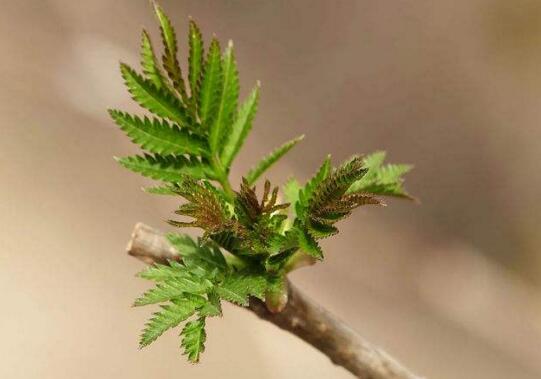
What to Do About Scorched Leaf Edges on the Flowering Almond: Apply Nitrogen Fertilizer / Increase Watering / Prune in Time
The flowering almond (Prunus triloba) is an ornamental plant of extremely high value, but some flower lovers encounter scorched leaf edges, which not only affects its appearance but also signals poor growth. So what should be done about scorched leaf edges on the flowering almond? Below, the editor will walk everyone through the causes and solutions.
-
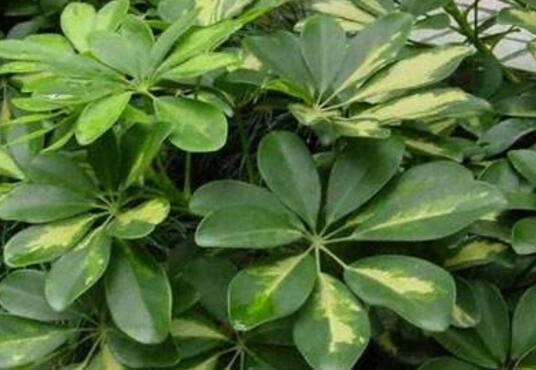
What to Do When Schefflera Leaves Turn Yellow and Drop? Four Tips to Prevent Premature Leaf Loss
If the schefflera (umbrella tree) is kept in a suitable environment with the right care, its leaves should stay green all year round. However, some plant lovers encounter yellowing and premature leaf drop when growing it, which is heartbreaking for them. What causes schefflera leaves to turn yellow and fall off? How should it be solved? Let's find out together.
-
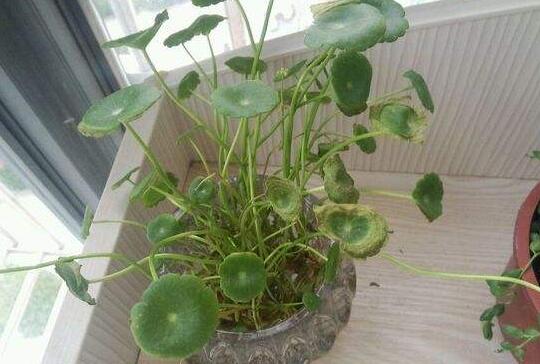
What to Do When the Leaf Edges of Pennywort Dry Up? Four Tips for Greener, More Lush Leaves
The leaf edges of pennywort (Hydrocotyle vulgaris) are usually emerald green and have irregular serrations, as detailed in the article on the differences between Lysimachia nummularia and pennywort. However, some gardeners find that the leaf edges of their pennywort dry up, which not only ruins its looks but is also a real headache.
-

How to prevent and control Alternaria leaf spot on cockscomb? Practical methods shared
Affected plant: cockscomb (Celosia cristata). Distribution and damage: This disease occurs mainly in Zhejiang, Yunnan and other places, and causes severe damage. Symptoms: On the upper surface of leaves there are round, oval, irregular dark brown spots. Early-stage spots are small round dots with a white center and a brown outer ring.
-

What to Do When Amaryllis Gets Leaf Blight? A Detailed Guide to Prevention and Treatment
When temperatures are high, humidity is high, and ventilation is poor, amaryllis leaves are prone to leaf blight infection. In the early stages of the disease, brown spots appear at the leaf tips and leaf margins, then expand into red lesions; in severe cases, small black granules appear on the lesions, causing the leaves to turn yellow and wither prematurely. The prevention and treatment methods are as follows: 1. Strengthen care
-
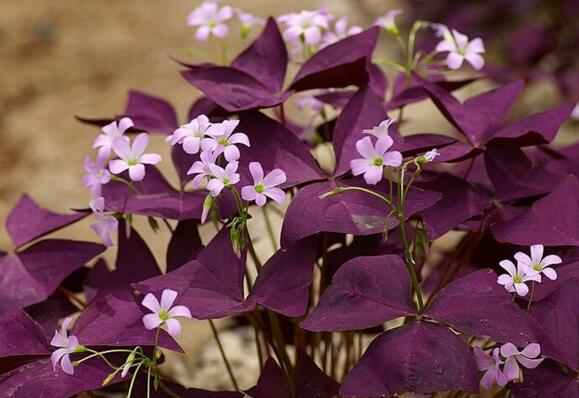
Is purple shamrock (purple-leaf oxalis) toxic? Non-toxic, with growing tips
The purple-leaf oxalis plant is compact, grows fast, and has a long flowering period; it is especially spectacular when in bloom, which is why it is so loved by flower enthusiasts, and many people keep it at home as an ornamental plant
-
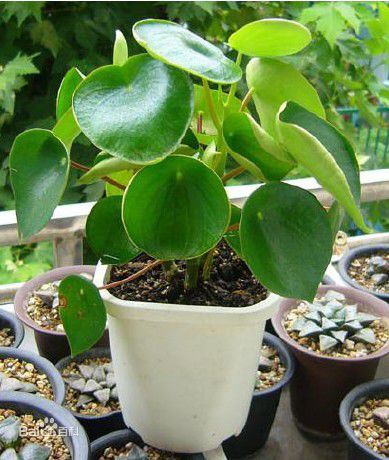
How to Grow and Care for the Lotus-Leaf Peperomia (also known as Peperomia Jade)
Lotus-Leaf Peperomia, also known as Round-Leaf Peperomia, Peperomia Jade, or simply Peperomia. With its bright, colorful leaves and strong ornamental appeal, it is an excellent foliage plant. It has no main stem, and potted specimens can be used to decorate studies, bedrooms, balconies, windowsills, and other spots. The Lotus-Leaf Peperomia is native to Brazil. Of course,
-
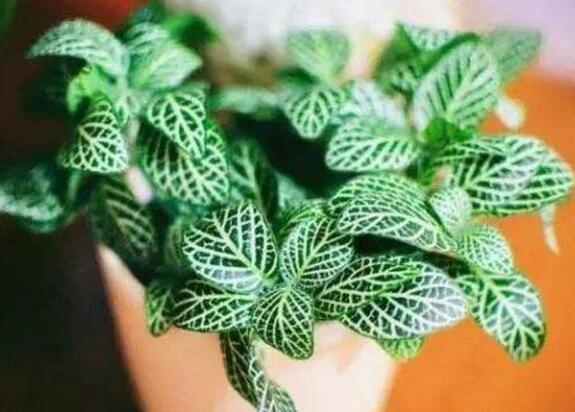
How to Care for Fittonia in Winter? Four Tips to Prevent Leaf Wilt, Temperature Control Is Key
Because Fittonia has only average cold tolerance, how to get it through the winter becomes a headache for many flower lovers. If the method is wrong, it easily causes leaves to wilt and drop, which greatly reduces the benefits and effects of Fittonia. So how do you care for Fittonia in winter? Below, the editor will tell you a few of the most practical tips.
-
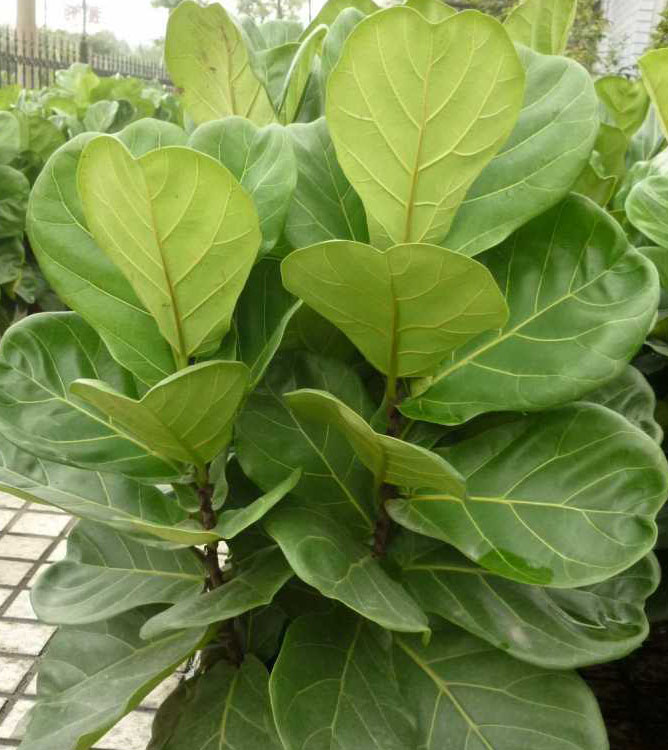
What to Do When Your Fiddle-Leaf Fig Gets Leaf Spot Disease? A Detailed Guide to Prevention and Treatment
Short-term temperature fluctuations and excessive watering during the dormant period can both cause leaf spot disease; in severe cases, the diseased leaves should be removed. Prevention and treatment methods: promptly remove diseased tissue and burn it in a centralized manner; practice crop rotation, or replace the soil indoors; avoid spraying water over the plant; begin spraying from the early stage of the disease to prevent it from spreading and worsening
-
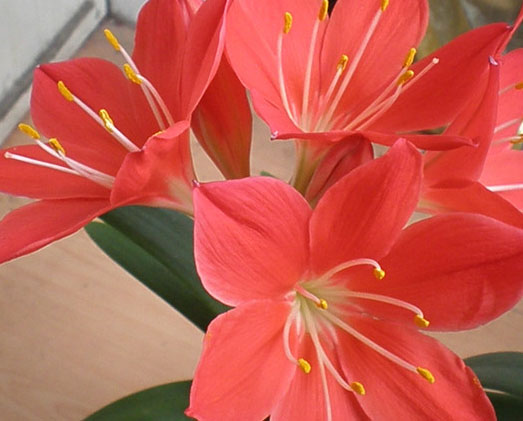
What are the control methods for leaf spot disease in Amaryllis?
If Amaryllis is not properly cared for, leaf spot disease is likely to occur in late autumn and early winter, affecting the leaf tips, leaf surfaces and leaf margins. In the early stage of the disease, small purplish-brown spots appear on the leaves. If not controlled in time, they expand into brown, irregular lesions, then turn mottled and yellow, and finally grayish-white.
条件筛选