-
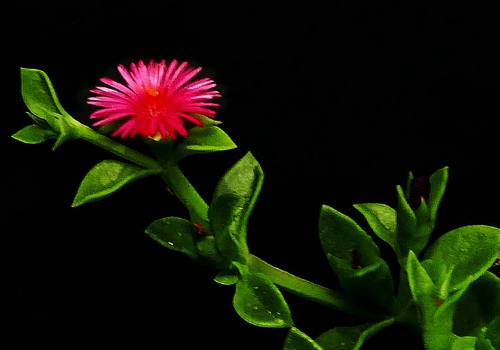
What to Do If the Heartleaf Ice Plant Won't Bloom? Let Me Teach You the Correct Fertilizing Method
The heartleaf ice plant (Aptenia cordifolia) is a succulent that blooms, but in reality many people who grow it find that their plant shows no sign of flowering at all. How do you fertilize the heartleaf ice plant? What should you do if it won't bloom: How to fertilize the heartleaf ice plant: Fertilizer and soil. The heartleaf ice plant is a species of foreign origin.
-
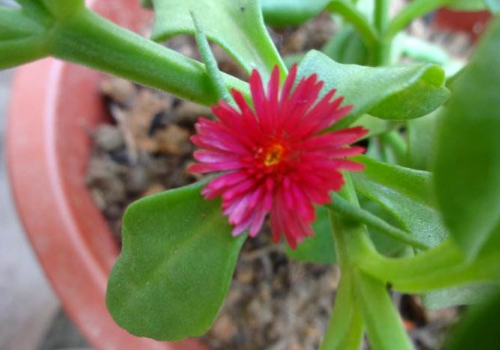
What to Do About Root Rot in Heartleaf Ice Plant? Detailed Explanation of Its Differences from Panax notoginseng
Panax notoginseng is a very precious medicinal herb in China, and it looks somewhat similar to the heartleaf ice plant. What should be done about root rot in the heartleaf ice plant? And what are the differences from Panax notoginseng: What to do about root rot in the heartleaf ice plant: pruning during the winter dormant period. Entering winter, the heartleaf ice plant enters its dormant period, and the leaves stop growing.
-

Causes and Solutions for Yellowing Leaves on the Thousand-Leaf Spider Plant
Now let's take a look together at the solutions for yellowing leaves on the thousand-leaf spider plant. What causes the leaves of the thousand-leaf spider plant to turn yellow? How to solve it: What causes the leaves of the thousand-leaf spider plant to turn yellow: The yellowing of the leaves of the thousand-leaf spider plant comes down to the following causes: too-strong light, or insufficient light, is one cause
-
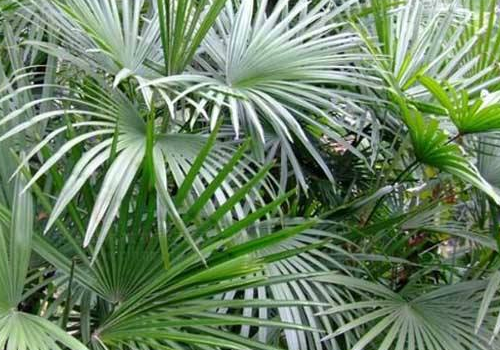
When to Divide Broadleaf Lady Palm and Why It Is Not Suitable for Growing at Home
Broadleaf lady palm is also one of the plants, and a great many people know about it. So when should broadleaf lady palm be divided? Why is it not suitable to grow at home: When to divide broadleaf lady palm: Broadleaf lady palm division propagation is generally carried out in spring when repotting. (The best time for division is March to April.
-
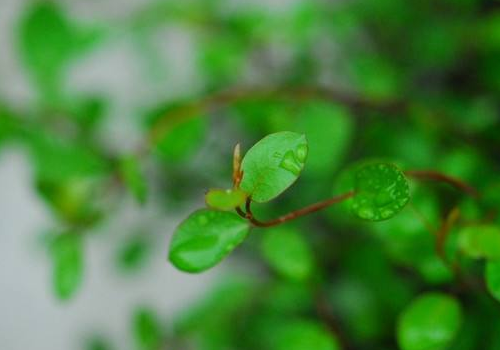
How to Grow Thousand-Leaf Spider Plant in Water and Solutions for Leaf Drop
Thousand-leaf spider plant leaf drop is generally caused by watering and ventilation. How do you grow thousand-leaf spider plant in water? What to do about leaf drop: How to grow thousand-leaf spider plant in water: Choosing a hydroponic container. When growing thousand-leaf spider plant in water, you should choose a suitable container, preferably a transparent glass vessel, as this makes it easier to observe the growth condition of the thousand-leaf spider plant.
-
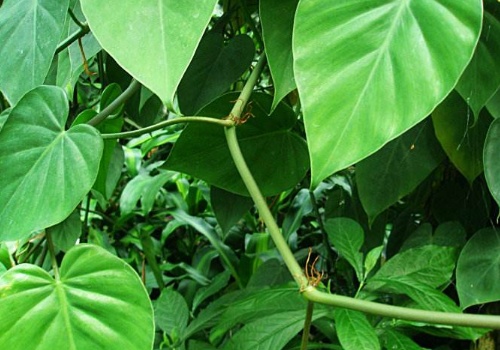
Heartleaf Philodendron Support and Climbing Methods and Solutions for Leaf Drop
Heartleaf philodendron is a plant grown in many homes and public spaces. How to support a heartleaf philodendron for climbing? What to do about leaf drop: How to support a heartleaf philodendron for climbing: First choose a moss pole, though other cylindrical poles can be used as a substitute, wrap it with a layer of brown outer covering, then insert the pole in the center of the flower pot
-
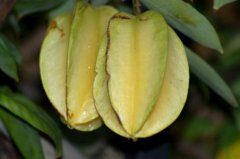
What are the control methods for the flower ladybird leaf roller moth on carambola?
The flower ladybird leaf roller moth belongs to the order Lepidoptera and is a pest that harms carambola. So how do we control the damage caused by the flower ladybird leaf roller moth pest? What are the ecological habits of this member of the order Lepidoptera, and what do the symptoms of damage look like? Ecological habits: The flower ladybird leaf roller moth belongs to the order Lepidoptera, commonly
-
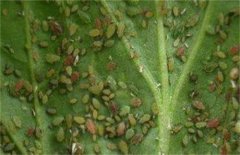
Control Methods for Yam Bean Beetle and Blue-Winged Leaf Beetle
How should the control methods for yam bean beetle and yam blue-winged leaf beetle be carried out? Do you know? Let's take a look together. The yam bean beetle pest occurs from May to August, with only 1 generation per year. The yam blue-winged leaf beetle also has 1
-

Symptoms and Control Methods of Polygonatum Leaf Spot Disease
The disease begins in April to May. On affected leaves, elliptical or irregular lesions first appear at the leaf tip, with brownish outer edges and pale white centers; the disease spreads downward from the lesions, causing the leaves to wither and die. The disease is more severe during the rainy season. Control methods: 1) After harvest, clean the field and garden, gather the dead branches and diseased plant debris and burn them to eliminate the overwintering pathogen. 2) Before the disease occurs and in the early stages, spray 1:1:100 Bordeaux mixture, or 50% Tuzet (thiram) 1000x solution, once every 7 to 10 days, for 3 to 4 consecutive sprays.
-
How to prevent and treat tulip leaf blight? A few practical methods to teach you
Symptoms: Infected leaf buds develop poorly, appearing deformed and curled; once young buds are affected, the leaves that grow from them become curled. If the environment is humid, a large number of gray mold-like conidia are produced on the diseased tissue, spreading to nearby healthy plants and causing leaf infection, so bulb growth is greatly affected. After flowers are affected, white or light yellowish-brown lesions first appear, then rapidly expand and cause the flowers to wither and drop, or turn brown and dry up. Ring-like bands also appear on the flower stalk, sometimes with a layer of conidia on them. At every stage of the disease
条件筛选