-

What to do when the leaves of the Chinese lantern (flowering maple) drop? Replenish nutrients, stop watering, and adjust temperature and light
Growing flowers cultivates pleasure, and also cultivates skill. Keeping a Chinese lantern plant at home is the choice of many flower lovers, but during the growing process, for certain reasons, their Chinese lantern plants will show various signs of discomfort, such as leaves dropping. So what should be done when the leaves of the Chinese lantern drop? Regarding this, the editor has summarized 5 causes
-

What to do when the leaves of the Chinese lantern plant wilt? Add light and fertilizer in time and lower the temperature
As a common flowering plant, the Chinese lantern plant is not difficult to grow. It only needs a moderate amount of water and fertilizer and care under diffused light, and it will produce beautiful flowers. But during the growing process, many flower lovers still run into problems, causing the leaves of the Chinese lantern plant to wilt and affecting the plant's ornamental value
-

How to water the lantern flower? Master the method of "water when dry, soak thoroughly when watering"
Water is the source of plant life, so in the cultivation methods of the lantern flower, watering is very important. It is understood that the lantern flower likes a humid environment, but it is also afraid of waterlogging, so it needs watering, but not too much - that is the problem. So how do you water the lantern flower? What should you do if you overwater the lantern flower?
-
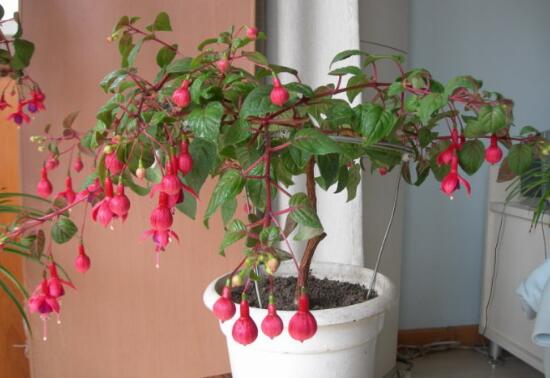
How to prune the Chinese lantern flower? A detailed guide to pinching, thinning and shortening methods
As a beautiful flowering plant, the Chinese lantern flower is kept in many gardeners' homes, but few people can truly grow it to perfection! The root cause is improper pruning, because for the Chinese lantern flower, appropriate pruning is what produces more branches and more flowers, and the plant shape will also look better! So how do you prune the Chinese lantern flower?
-
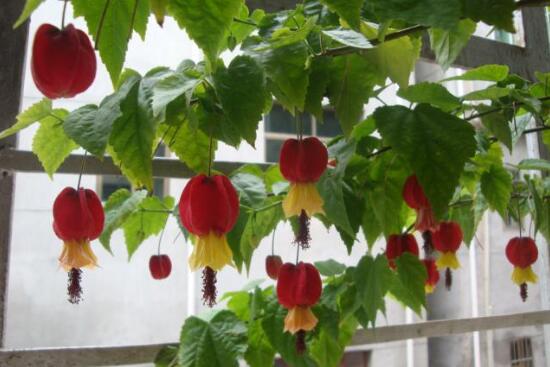
How to propagate the Chinese lantern flower? Three propagation methods, spring cuttings root the fastest
The Chinese lantern flower, also called the lantern flower, has a peculiar flower shape, looking like a lantern, and also like an upside-down bell, and it looks extremely beautiful! Not only that, the Chinese lantern flower has many varieties and bright flower colors, so it is very popular, and it is therefore propagated in large quantities. So how do you propagate the Chinese lantern flower? On this
-

What to do when Chinese lantern (flowering maple) gets bugs? 3 pests and 2 diseases: spraying control methods
As a common beautiful flower, the Chinese lantern has strong benefits; its flowers look like lanterns, and besides being attractive, it is also used medicinally to treat kidney deficiency! Such a plant is naturally loved, but if it suffers from pests and diseases, the beauty of the Chinese lantern will be gone forever, and by then, flower lovers will surely be anxious! So
-

What are the precautions for growing Chinese lantern flowers?
Although Chinese lantern flowers are hardy and easy to care for, there are still many things to pay attention to if you want to grow them well on a regular basis. We need to make sure the potting soil is changed every spring, adding fresh leaf mold, and prune them in good time to encourage more new branches to grow. In addition, during the growing period of Chinese lantern flowers, fertilize once every half month.
-
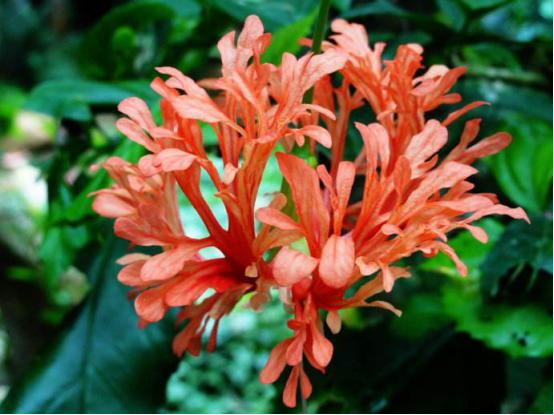
How to grow a Chinese lantern hibiscus in a pot? Detailed guide to home cultivation methods
1. Soil: For growing Chinese lantern hibiscus, choose loose, fertile sandy loam. Repot every year in early spring. Before repotting, prepare fresh growing medium, trim away some of the overly dense, curled fibrous roots, and apply plenty of base fertilizer to support root growth. 2. Light: The growth habits of Chinese lantern hibiscus require it to receive ample sunlight.
-

Notes on growing the hanging lamp hibiscus (Chinese lantern hibiscus) as a potted plant at home
1. Root-knot nematode disease. This is a widely distributed and seriously damaging disease, especially common when growing the hanging lamp hibiscus. When red-brown necrotic spots appear on the leaf edges and spread inward, you need to be on guard. At this point you can repot the soil and apply aldicarb granules to the new soil.
-

条件筛选