How to grow a Chinese lantern hibiscus in a pot? Detailed guide to home cultivation methods
1. Soil
For growing Chinese lantern hibiscus, choose loose, fertile sandy loam. Repot every year in early spring. Before repotting, prepare fresh growing medium, trim away some of the overly dense, curled fibrous roots, and apply plenty of base fertilizer to support root growth.
2. Light
The growth habits of Chinese lantern hibiscus require it to receive ample sunlight, so when grown indoors it is best placed on a balcony or in another bright, warm environment. Do not place it in a shaded spot, otherwise growth will be affected.
3. Temperature
Chinese lantern hibiscus is a tropical plant that likes high temperatures, tolerates drought and cannot stand the cold. In northern regions it must be grown indoors in winter, and it should receive light frequently, with the temperature kept steady and good insulation measures taken.
4. Watering
During the growing season, watering must be sufficient. It must not lack water, nor should it become waterlogged. Usually water once a day, and during the dog days of summer water once each in the morning and evening. Sprinkle water on the ground frequently to increase humidity and lower the temperature, preventing young leaves from scorching and flowers from dropping early.
5. Fertilizing
During the growing season, Chinese lantern hibiscus has relatively high fertilizer requirements, so fertilizer and water should be increased, applying fertilizer once every 7-10 days. Once mature, take care to apply dilute fertilizer more often, but after autumn reduce fertilizing as much as possible to avoid producing autumn shoots.
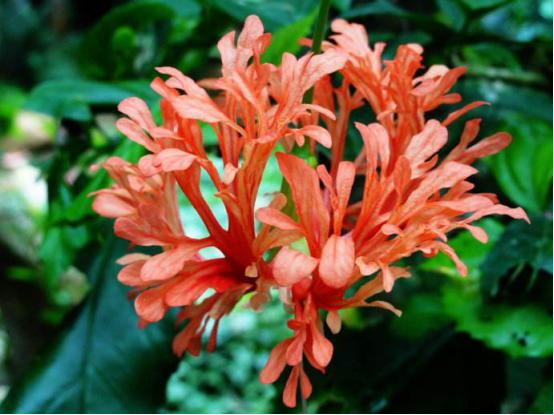
Notes on growing Chinese lantern hibiscus as a potted plant at home
1. Root-knot nematode disease
This is a widespread and seriously damaging disease, especially common when growing Chinese lantern hibiscus. When reddish-brown dead spots appear on leaf edges and spread inward, you need to pay attention. At this point you can change the soil and apply aldicarb granules into the new soil to completely eliminate this disease and pest.
2. Pruning
Chinese lantern hibiscus grows quickly, so pruning is a must. You can choose to prune and shape it around early spring. Leave 2-3 buds at the base of each branch and cut off everything above. Pruning encourages new branches to grow, making growth more vigorous and the plant shape more attractive.
Now that we have covered the growing methods and notes for Chinese lantern hibiscus, you probably have some understanding of it. Next, we will learn more about the value of Chinese lantern hibiscus.
Chinese lantern hibiscus growing methods and main value of Chinese lantern hibiscus
Everyone is fairly familiar with the hibiscus tree, and hibiscus is regarded as an auspicious tree. Chinese lantern hibiscus is a type of hibiscus, with large, brightly colored flowers and excellent ornamental effect. So how do you grow Chinese lantern hibiscus? What value does it have? Let's take a look together.
I. Chinese lantern hibiscus growing methods
1. Repotting: For potting, choose loose, fertile sandy loam. Before moving it outdoors in early April each year, it should be repotted. When repotting, do three things: first, replace with fresh growing medium; second, trim away some of the overly dense, curled fibrous roots; third, apply plenty of base fertilizer, adding a little phosphate fertilizer at the bottom of the pot.
2. Light: Hibiscus is a sun-loving tree species. In early May it should be moved outdoors to a spot with ample sunlight. This is also the growing season for hibiscus, so management tasks such as increasing fertilizer and water, loosening the soil and weeding should be strengthened. Apply dilute liquid fertilizer once every 7-10 days. Water according to whether the potting soil is dry or wet; too dry or too wet will both affect flowering. With insufficient light, flower buds are prone to dropping and flowers become smaller, and daily sunlight must not be less than 8 hours.
3. Water and fertilizer: Hibiscus has relatively high fertilizer requirements, and during cultivation light must be supplemented in time. Potted hibiscus is generally moved out of the room in April, repotted before being moved out, and properly shaped and pruned to maintain a graceful canopy. During the growing season, watering must be sufficient. It must not lack water, nor should it become waterlogged. Usually water once a day, and during the dog days of summer water once each in the morning and evening. Sprinkle water on the ground frequently to increase humidity and lower the temperature, preventing young leaves from scorching and flowers from dropping early.
4. Temperature: Hibiscus cannot withstand frost. After Frost's Descent and before the Beginning of Winter, it must be moved indoors to keep warm. The overwintering temperature should be no lower than 5°C to avoid frost damage, and no higher than 15°C to avoid affecting dormancy. Poor dormancy will lead to weak growth and flowering the following year. Any furniture room facing south with good insulation conditions can be used for overwintering. When the weather is colder, it can be covered with paper or plastic film to keep warm.
5. Pruning: To keep the tree shape attractive and the number of flowers high, and based on the strong ability of hibiscus to send out branches and shoots, prune and shape it around early spring before and after it is moved outdoors. Leave 2-3 buds at the base of each branch and cut off everything above. Pruning encourages new branches to grow, making growth more vigorous and the plant shape more attractive. After pruning, because the aboveground part consumes less, water and fertilizer should be appropriately reduced.
II. Main value of Chinese lantern hibiscus
Chinese lantern hibiscus is a beautiful ornamental flowering tree, with large flowers in fiery red vivid colors and a long flowering period. Potted hibiscus is one of the best flowering trees for decorating holiday parks, flower beds, hotels, meeting venues and homes. Leaves: reduce swelling. Used for sores and ulcers under the arms. In the south, hibiscus is mostly planted beside ponds, in front of pavilions, along roadsides and by walls, blooming continuously with large red flowers all year round, exceptionally lively. In the Yangtze River basin and the north, it is often used as a potted plant to adorn balconies or small courtyards, and under conditions of ample light its ornamental period is especially long. It is also one of the main flowering potted plants placed in public places in summer and autumn.
The above isChinese lantern hibiscus growing methodsand an introduction to the value of Chinese lantern hibiscus. Chinese lantern hibiscus is indeed a fine ornamental potted plant, and those who like it can try growing it themselves.