How to water the lantern flower? Master the method of "water when dry, soak thoroughly when watering"
Water is the source of plant life, so in the cultivation methods of the lantern flower, watering is very important. It is understood that the lantern flower likes a humid environment, but it is also afraid of waterlogging, so it needs watering, but not too much - that is the problem. So how do you water the lantern flower? What should you do if you overwater the lantern flower? Now let's take a look at the watering methods for the lantern flower.
1. How to water the lantern flower: timing/amount of water
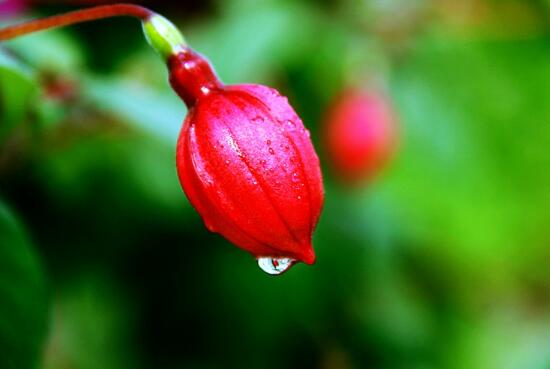
Watering is a skilled task, especially when watering the lantern flower - too much or too little is no good. Too little, and the plant suffers from lack of water and grows poorly; too much, and it causes root rot, leading to symptoms such as dropping leaves, yellowing leaves, and curling leaves on the lantern flower. So how do you water the lantern flower? Next, I will explain in detail from two aspects: timing and amount of water.
2. Watering methods for the lantern flower
(1) The amount of water differs across the four seasons
1. Spring and autumn: water once a day
The lantern flower likes a humid environment, and its most suitable growing temperature is 15-25°C, so spring and autumn are its peak growing seasons. At this time we should keep the soil moist, generally watering once a day, and when watering we can spray a small amount of water on the leaves to keep the air from becoming too dry.
Note: When watering the lantern flower, mainly look at the potting soil - watering once a day is only a rough guide. We should follow the principle of "water when dry, soak thoroughly when watering" - do not water early, and do not overwater.
2. Summer: reduce watering
For most people, flowers need more water in summer, because temperatures are high and water evaporates quickly. However, the lantern flower dislikes high temperatures, and when the temperature is above 30°C it enters a semi-dormant period. So in summer you should not water the lantern flower frequently; instead, you should reduce watering.
Note: The lantern flower's blooming period is in summer. If the soil is too wet at this time, it will cause flowers and leaves to drop.
3. Winter: water sparingly
How do you water the lantern flower? In winter, the lantern flower enters a dormant period, and many flower growers think watering should stop at this time. But in fact this is not the case, because you cannot go the whole winter without watering at all, so when there is plenty of sunshine and it is relatively warm, you can water a small amount to prevent the soil from becoming compacted.
(2) What to do if you overwater the lantern flower: trim the rotten roots/propagate by cuttings
1. Trim the rotten roots and replant
For beginners, it is easy to overwater the lantern flower, causing root rot. As for what to do if you overwater the lantern flower, first of course you must stop watering, then take the lantern flower out of its pot, trim off the rotten roots, replace the potting soil, and replant. However, there are two scenarios:
① No white roots: After taking the lantern flower out of its pot, if you find that its root system has already turned black and rotten, with no white new roots appearing, then this pot of lantern flower is beyond saving and you can give up on it.
② Has white roots: If white new roots have appeared, you can trim off the rotten roots, remove the surrounding soil, then find a smaller pot, fill it with fresh soil and replant once, watering a small amount of settling water.
2. Take cuttings from branches to propagate
What to do if you overwater the lantern flower? Besides trimming the rotten roots and replanting, you can also take cuttings from branches. If the root system has no white roots but you do not want to give up, you can look at its branches - if they are still vigorous, you can take cuttings from them. As for how to take cuttings, that is described in detail in the propagation methods for the lantern flower, so I will not say more here.
Overall, watering is a skilled task, especially when watering the lantern flower - you must master the timing well so that it can grow healthily and we can enjoy a beautiful potted lantern flower. That is all for my introduction to the watering methods for the lantern flower. Those of you growing it must water it according to the methods!
How to grow the lantern flower: cultivation methods and precautions / semi-shade care in summer
The lantern flower, as its name suggests, is a flower that looks like a lantern. It looks delicate and beautiful, and its flower colors are rich - seen from afar, it is truly gorgeous! In daily life, many flower growers choose to keep a pot of lantern flower. So how do you grow the lantern flower? Below are the cultivation methods and precautions for the lantern flower that I have carefully compiled - very detailed. Anyone who wants to grow it should definitely take a look!
1. How to grow the lantern flower: understand its habits
The lantern flower likes a cool, humid environment, and also needs sufficient light during growth, but it dislikes strong light. In winter it can take full sun, while in summer it should be properly shaded. As for soil, it requires loose, breathable, well-draining soil. So how do you grow the lantern flower? It is actually very simple - just meet its growing habits. For specific requirements, let's continue reading below.
2. Cultivation methods and precautions for the lantern flower
1. Soil: loose and fertile
How do you grow a potted lantern flower? First, you should choose the soil. Although buying a potted plant from a flower shop or online comes with existing potting soil, that soil is not good. If you want the lantern flower to grow well, it is best to choose new soil.
Soil choice: According to the growing habits of the lantern flower, its cultivation medium is best chosen as loose, fertile, breathable and well-draining sandy loam.
2. Light: semi-shade in summer
Light is key to plant growth, and in the cultivation methods of the lantern flower it also plays a vital role. The lantern flower likes light and needs sufficient light during growth, so when growing indoors, care for it in diffused light in spring and autumn, in semi-shade in summer, and in full sun in winter.
Note: The lantern flower needs sufficient light. Once light is insufficient, it easily causes the plant to grow leggy, and the number of flowers will be greatly reduced. In addition, the lantern flower dislikes strong light - once exposed to direct strong light, it will cause the leaves to curl. So when growing indoors, everyone should place the lantern flower in a bright spot such as a balcony or windowsill.
3. Temperature: 15-25°C
How do you grow the lantern flower? Temperature is also a link that cannot be ignored. The lantern flower likes a cool environment, and its most suitable growing temperature is 15-25°C. If flower growers want the lantern flower to bloom, it is best to maintain this room temperature.
Note: The lantern flower dislikes high temperatures - when the temperature exceeds 30°C, the plant will enter a semi-dormant state; the lantern flower is also not cold-tolerant - once the winter temperature drops below 5°C, frost damage easily occurs. So for safe overwintering, everyone should keep the winter room temperature above 10°C.
4. Watering: water when dry, soak thoroughly
Water is the source of plant life, so in the cultivation methods of the lantern flower, watering is very important. The lantern flower likes a humid environment. During the growing season we should keep the potting soil moist and adhere to the watering principle of "water when dry, soak thoroughly." In winter and the rainy season, water once every 2-3 days; in autumn and on sunny days, water once a day.
Note: When temperatures are high in summer, the lantern flower is in a semi-dormant state, and at this time water must be controlled to prevent leaf drop and root rot. In addition, during the blooming period of the lantern flower, avoid the potting soil being too dry or too wet, otherwise it easily causes bud drop, flower drop or leaf drop.
5. Fertilizing: once every 7-10 days
How do you grow the lantern flower? Having covered watering, let's now look at fertilizing. It is understood that the lantern flower grows fast and can also bloom continuously, so it needs sufficient nutrients during cultivation. During the growing season, apply cake fertilizer water or a dilute liquid fertilizer to the lantern flower once every 7-10 days.
Note: Apply enough organic fertilizer before planting; control nitrogen fertilizer in the early growth stage to prevent leggy growth; during the lantern flower's blooming period, it is best to increase the application of phosphorus and potassium fertilizers.
6. Pruning
During the growth of the lantern flower, appropriate pruning is very important to maintain its ornamental value. At the right time, prune off all thin, weak branches and withered yellow branches, then shorten all remaining branches. The length left depends on the ornamental effect desired, and the whole plant should be kept balanced.
7. Changing the soil
In a suitable environment, the lantern flower grows very fast, so the soil needs to be fertile. However, as the plant continuously absorbs nutrients, the lantern flower's potting soil gradually becomes poor, so when growing the lantern flower, flower growers should change its soil once a year to replenish nutrients.
How to fertilize the lantern flower: fertilizing methods for the lantern flower (extra fertilizer during blooming / stop fertilizing in winter)
The lantern flower is a very beautiful flower. Its flower shape is like a lantern, and its flower colors are bright and charming, deeply loved by flower growers. However, when growing it indoors, if you want the lantern flower to bloom continuously, fertilizing is indispensable - after all, "for a crop to flower, fertilizer is the key." So how do you fertilize the lantern flower? Now let's take a look at the fertilizing methods for the lantern flower.
1. How to fertilize the lantern flower: timing/methods
Fertilizing is a skilled task, especially when fertilizing the lantern flower - too little and it will not bloom, too much and the roots rot and it still will not bloom. So mastering the fertilizing methods for the lantern flower is crucial! So how do you fertilize the lantern flower? I will teach everyone how to fertilize the lantern flower from aspects such as timing, fertilizer, and fertilizing intervals.
2. Fertilizing methods for the lantern flower
1. Fertilizers for the lantern flower
According to the cultivation experience of expert flower growers, the fertilizers used for the lantern flower generally include: decomposed cake fertilizer powder, urea, calcium phosphate, or potassium dihydrogen phosphate, etc. Among these, cake fertilizer powder is used as a base fertilizer, applied into the soil at planting time, while the other fertilizers are used according to the growth situation. For specifics, let's continue reading below.
2. The amount of fertilizer differs at different stages
① Fertilizing the lantern flower in spring and autumn
The most suitable growing temperature for the lantern flower is 15-25°C, so spring and autumn are its rapid growth periods. At this time, apply cake fertilizer water or a dilute liquid fertilizer to the lantern flower once every 7-10 days. If it is a liquid fertilizer, use mainly nitrogen fertilizer, with the aim of promoting the growth of branches and leaves so that more flowering branches emerge before the blooming period.
② Fertilizing the lantern flower during its blooming period
The temperature in May is most suitable for the growth of the lantern flower, and at this time it enters its blooming period. However, before the blooming period, apply a compound fertilizer mainly of nitrogen, phosphorus and potassium to make side branches emerge and the flower colors bright. After the lantern flower enters its blooming period, it is best to increase the application of phosphorus and potassium fertilizers.
③ Fertilizing the lantern flower in summer
After summer arrives, the temperature rises quickly and gradually becomes unsuitable for the growth of the lantern flower, and it enters a semi-dormant state. At this time, stop fertilizing, and after the temperature drops below 30°C in September, begin applying phosphorus and potassium fertilizer 1-2 times.
④ Fertilizing the lantern flower in winter
In winter, the temperature drops very low, and the lantern flower is not cold-tolerant, so at this time it enters a dormant period and its fertilizer requirements are relatively low - it is best to stop fertilizing.
3. What to do if you over-fertilize the lantern flower: flush with water/replace the potting soil
For beginners, fertilizing is not difficult - the difficulty lies in controlling the amount, and they often apply too much. So what should you do if you over-fertilize the lantern flower? At this time, flower growers should immediately stop fertilizing, increase the amount of watering to let the fertilizer flow out through the drainage holes, or immediately take the plant out of its pot, remove part of the old soil, replace it with new soil, and replant the plant.
Overall, the cultivation methods for the lantern flower are not difficult - the difficulty lies in some of the details, especially fertilizing, which must be done in the right amount, neither too much nor too little. Only in this way can you grow a beautiful lantern flower! That is all for my introduction to the fertilizing methods for the lantern flower. After reading this, everyone should feel more confident about growing the lantern flower!