-

What is Atractylodes rhizome root rot? Disease knowledge that Atractylodes growers need to know
What is Atractylodes rhizome root rot? How should Atractylodes rhizome root rot be prevented and controlled? Please explain that in Atractylodes rhizome root rot, the fine roots of the underground part of affected plants generally turn brown and rot, then spread to the upper fleshy rhizome and stems, showing dark brown sunken rotting spots, and the aboveground part begins to wilt. On the cut surface of the rhizome and stem, the vascular bundles show an obvious discoloration ring; in the later stage, the root...
-
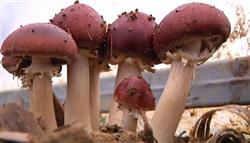
What Is Wine Cap Mushroom? Get to Know This Edible Fungus
What is the wine cap mushroom? Here is an introduction. Zhongdi Network has compiled information on the wine cap mushroom, listed below for readers' reference. The wine cap mushroom, also known as the wrinkled giant stropharia, wrinkled stropharia, or burgundy mushroom, is one of the top ten mushrooms on the international mushroom trade market, and is also one of the fungi recommended by the United Nations [Weibo] Food and Agriculture Organization (FAO)...
-
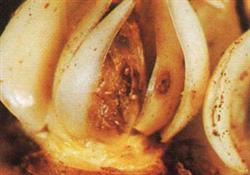
What Is Lily Bulb Rot? What You Need to Know About Growing Lilies
What is lily bulb rot? What methods can be used to prevent and control lily bulb rot? Please help introduce the methods. Lily bulb rot is caused by fungi of the phylum Basidiomycota. Its disease characteristics are that the mycelium persists on diseased and residual tissue, and the pathogen can directly or indirectly invade the base of the lily stem. During the seedling stage, continuous overcast days, temperatures below 2...
-
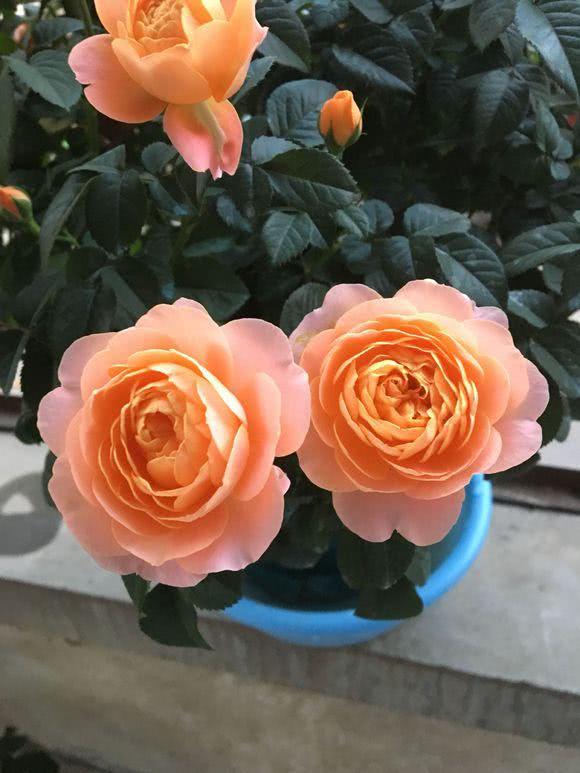
Don't know how to grow roses? Just follow the monthly care essentials
Roses bloom once every month, which is why we call them "monthly red." If you want your monthly red to stay red every month, but you know nothing about rose care, then just follow the monthly rose care essentials and do as they say...
-
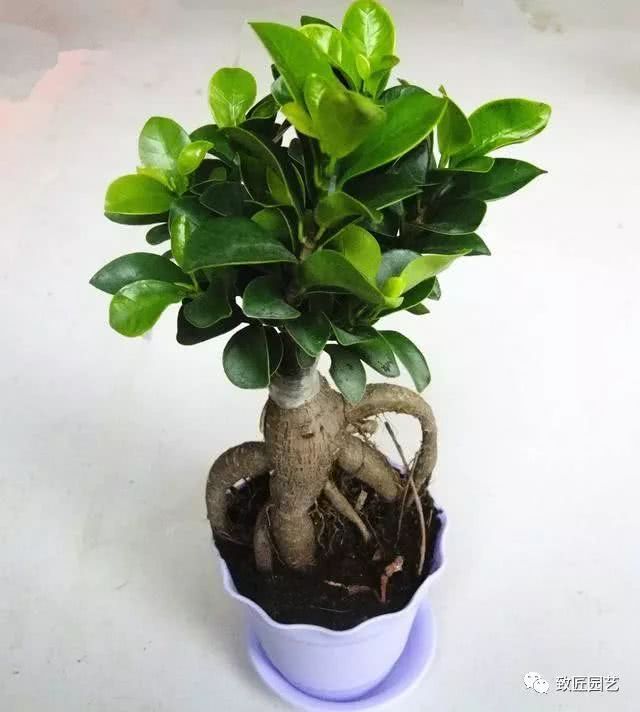
Bonsai Leaf Care Tips: There Is Knowledge Here You Do Not Understand
Emerald green leaves with a glossy sheen make a bonsai look more vibrant and more pleasing to admire. Even for bonsai appreciated for their roots or trunks, just the right touch of green can add greatly to their beauty and create...
-
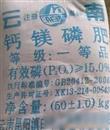
Over-application of phosphate fertilizer causes many harms, do you know these dangers?
1. Apply according to the soil. Soil conditions are closely related to the effectiveness of phosphate fertilizer. On soils with low organic matter and low available phosphorus content, applying phosphate fertilizer to the vast majority of crops can increase yields, therefore, phosphate fertilizer should be allocated mainly to soils with low organic matter content and phosphorus deficiency, so as to give full play to its fertilizer efficiency. Such as red soil dryland, yellow mud field, ...
-
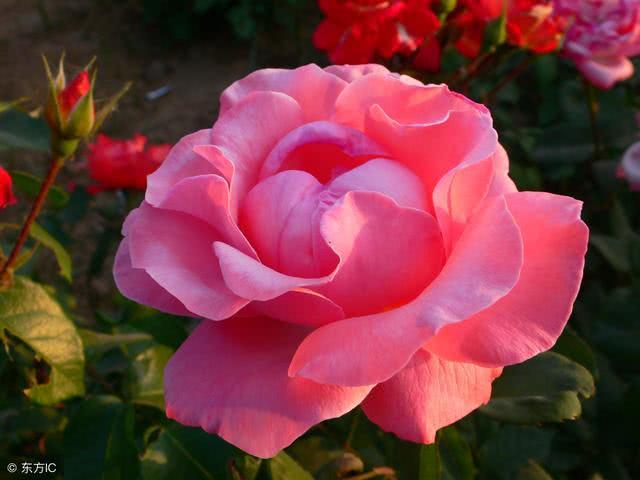
This flower is one of China's top ten famous flowers and is known as the queen of flowers. Hurry and buy a few pots to take home!
This flower is one of China's top ten famous flowers and is known as the "queen of flowers." Hurry and buy a few pots to take home! The Chinese rose is also called the "queen of flowers" and is one of the most beautiful flowers among ornamental plants. The Chinese rose is an ornamental plant with extremely high ornamental value that blooms all year round...
-

Indoor Flower and Plant Growing and Care Knowledge for Spring in the North
In March in the north, it is warm yet still cold, and residents who enjoy indoor planting begin to get busy, carefully cultivating beautiful flowers and plants on their balconies.
-
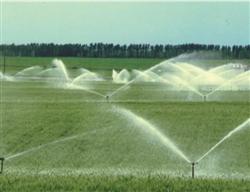
Which fertilizers cannot be applied by flushing? Fertilization taboos every grower must know
Flush fertilization is widely used on greenhouse and open-field vegetables, mainly for topdressing during the vigorous growth period of vegetables. But not all fertilizers can be applied by flushing; only water-soluble fertilizers can be applied by flushing with water. For nitrogen fertilizers, urea, ammonia water, ammonium sulfate and ammonium nitrate are commonly used; for potassium fertilizers, potassium chloride and potassium sulfate are commonly used, and potassium nitrate can also be used for flush...
-
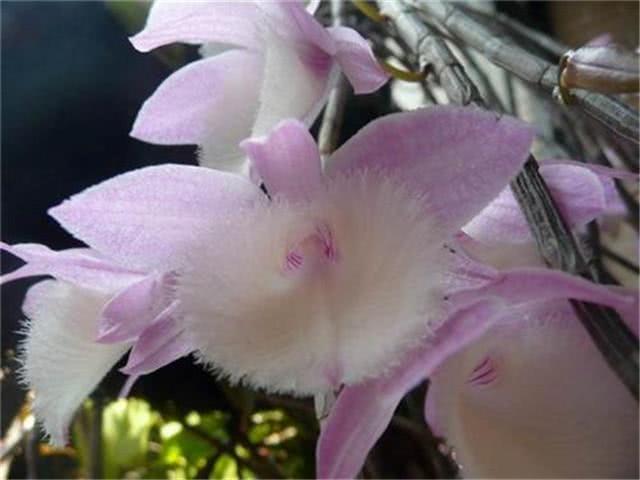
How do you care for Dendrobium aphyllum? These care points you need to know
Dendrobium aphyllum is a plant in the Dendrobium family (Orchidaceae), and it is not very different from other Dendrobium plants. Its stems hang down and look fleshy, and they are cylindrical with no branching, divided into many nodes like bamboo. The petals are oval, mostly white-purple, and some are light red...
条件筛选