Bonsai Leaf Care Tips: There Is Knowledge Here You Do Not Understand
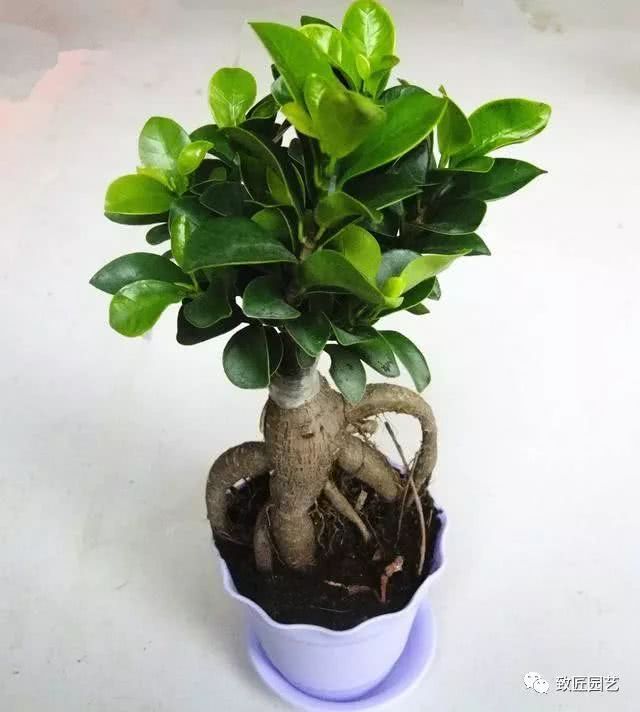
Emerald green leaves with a glossy sheen make a bonsai look more vibrant and more pleasing to admire. Even for bonsai appreciated for their roots or trunks, just the right touch of green can add greatly to their beauty and create that sense of coming back to life at the brink of death. Bonsai leaf care tips: there is knowledge here you do not understand!
1. Clean regularly
Whether a bonsai is kept outdoors or indoors, over time dust, cooking fumes and other substances will settle on the leaves. This not only makes the leaves look dirty and dull, but also affects photosynthesis, hinders the leaves from breathing freely, and interferes with transpiration. As a result, the leaf color fades and the leaves may even turn yellow and withered due to poor growth. Therefore, the leaves should be cleaned regularly. For generally smaller, finer leaves, simply spraying with water can wash away the dirt, but be careful not to leave standing water in the pot, to prevent root rot. For large, thick leaves, a soft cloth is needed for cleaning. In addition, on rainy days, placing the bonsai in the rain for a period is even more beneficial to leaf growth.
2. Maintain light exposure
With insufficient light, photosynthesis in the leaves is inadequate, so the leaves easily turn yellow. If a bonsai is kept in a dark environment for a long time, the leaves will not only be dull and lusterless but may all fall off. Therefore, during routine care, a certain amount of light exposure must be ensured, especially for sun-loving plants. If a bonsai is kept indoors, it is best to place it by a windowsill or another spot with some light, except of course for shade-loving plants that are not suited to direct sunlight. In addition, regardless of whether a plant is sun-loving, bonsai grown indoors should be placed outdoors in the sunlight for care about every 5 days, so the plant can carry out photosynthesis well. With enough light, the leaves can grow vigorously and maintain a state of dripping green.
3. Prune regularly
The plants in a bonsai are constantly growing. If the leaves are not pruned regularly, it will not only affect the shape but also, because the leaves are too dense, prevent the whole plant from getting good light and ventilation. Regular pruning, however, can maintain the bonsai's original shape, solve the plant's ventilation and light penetration problems, and also promote the sprouting of new buds, so the bonsai grows new leaves all year round and remains full of vitality.
For ordinary plants, bud pinching, tip pinching and pruning can be carried out as needed during the growing season. For evergreen plants, leaf plucking is also necessary. Generally, leaf plucking is done before sprouting in spring, after the leaves have formed in summer, and before overwintering in autumn, removing all the plant's leaves, but note that half a month before leaf plucking, fertilizing and pest control treatments should be carried out.
4. Prevent pests and diseases
When pests and diseases occur in a bonsai, the leaves are the biggest victims, being chewed by insects and infected by disease. Therefore, to keep the leaves emerald green and glossy, pests and diseases must be prevented early. When pests or diseases appear, spray the liquid medicine promptly.
Wonderful content