Over-application of phosphate fertilizer causes many harms, do you know these dangers?
1. Apply according to the soil. Soil conditions are closely related to the effectiveness of phosphate fertilizer. On soils with low organic matter and low available phosphorus content, applying phosphate fertilizer to the vast majority of crops can increase yields, therefore, phosphate fertilizer should be allocated mainly to soils with low organic matter content and phosphorus deficiency, so as to give full play to its fertilizer efficiency. Such as red soil dryland, yellow mud field, ...
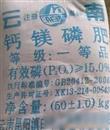 Applying an appropriate amount of phosphate fertilizer to phosphorus-deficient soil can effectively improve crop yield and quality, but over-application is harmful with no benefit, and its main harms are as follows:
1. It promotes excessive plant respiration and consumes too much nutrition. Excessive phosphorus nutrition will greatly enhance crop respiration, thereby excessively consuming the sugars and energy stored in the crop.
2. It induces soil zinc deficiency. After excessive application of calcium phosphate, the soil will become alkaline, reducing the availability of zinc and affecting the crop's absorption of zinc. Corn albinism, rice seedling stiffness and wilting, etc., are reportedly the results of crop zinc deficiency. At the same time, excessive phosphorus application will also lead to poor crop development.
3. It causes silicon and molybdenum deficiency in plants. Silicon plays a very positive role in the growth and high yield of many crops. For example, if silicon-loving rice cannot absorb enough silicon from the soil, it will develop symptoms of silicon deficiency such as slender stems, lodging and poor disease resistance, and silicon deficiency in rice is sometimes caused by heavy phosphorus application.
When phosphate fertilizer is applied excessively, a phenomenon of "strong phosphorus and weak molybdenum" often occurs between phosphorus and molybdenum, making it impossible for crops to absorb and utilize either phosphorus or molybdenum.
4. It causes the accumulation of harmful elements in the soil. Phosphate fertilizer mainly comes from phosphate rock, which contains many impurities, including harmful elements such as cadmium, lead and fluorine. Therefore, excessive application of phosphate fertilizer will cause an increase in cadmium in the soil, and this cadmium has high availability and is easily absorbed by crops, thereby causing harm to humans and livestock.
Generally speaking, even for phosphorus-deficient soil, the application rate per mu should not exceed 40 kg, with 30-35 kg being appropriate. Phosphate fertilizer has a long residual effect, so applying it once as a base fertilizer every 2-3 years is sufficient.