-
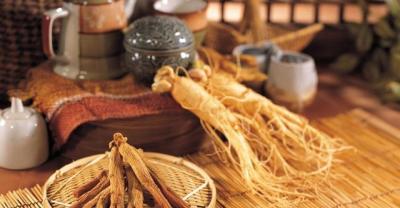
Minerals Are Good Medicine Too: Get to Know Mineral-Based Chinese Materia Medica
How do stones become medicine? "When decocting medicine, you just need to add the mineral medicine half an hour in advance," said Huang Haichang, a traditional Chinese medicine physician at Nanning Yiganzhao Pharmaceutical Co., Ltd...
-
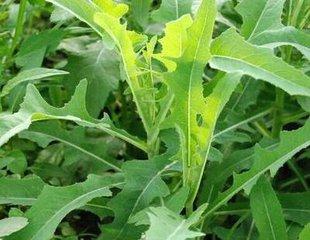
How much do you know about medicinal herbs in the field? A grand review of common varieties
Spring has arrived, and the various wild vegetables in the fields seem especially precious today. With no pesticides and few pests and diseases, and some even offering both medicinal and culinary value, many people...
-
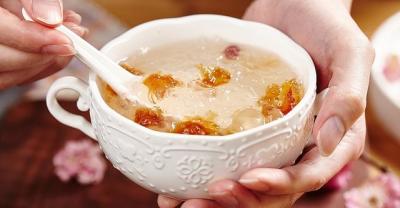
Pangolins are a precious animal-based medicinal material. How much do you know about them?
Pangolin is a traditional Chinese medicine containing multiple amino acids and trace elements, and it was widely used by people in ancient times. However, because pangolins are now...
-
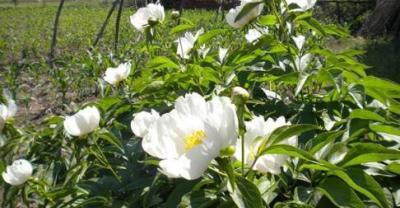
Sharing knowledge about Tibetan medicinal herbs: finding herbs takes you deeper into Tibetan medicine
Nyingchi in Tibet is known as the "Switzerland of China, Jiangnan of the Snow Region." Here the mountains are high and the trees dense, and the resources of Chinese medicinal herbs are extremely rich, with as many as 3500 species. The scientific community praises it as the "...
-

What are the precautions for introducing Gastrodia elata? Growers need to know in advance
Precautions for introducing Gastrodia elata
-

How to manage goji berries in winter? These precautions you need to know
Precautions for winter management of goji berries
-

What is Asarum? Get to know this medicinal flowering plant
1. Source: it comes from the Aristolochiaceae plant Asarum heterotropoides Fr. Schm. var. mandshuricum (Maxim.) Kitag., also known as tobacco-pipe flower and xishen. The whole plant is used as medicine. It is mainly produced in Jilin, Liaoning, Heilongjiang and other provinces. This herb is the most important among the aromatic orifice-opening medicines and is a commonly used clinical drug. However, there are too few production areas and the yield is not high, so it cannot meet market demand. 2. Botanical characteristics: perennial herb. The rhizome grows horizontally
-
What is Madeira vine? Get to know this health-giving vegetable
Madeira vine [Anredera cordifolia (Tenore.) Steen], originally named heart-shaped Madeira vine, also known as Madeira vine, foreign mallow vine, etc., has medicinal effects similar to those of Panax notoginseng and is an important ingredient of Yunnan Baiyao, so some people simply call it "Yunnan Baiyao". It is mainly distributed in China's Yunnan, Sichuan, Taiwan and other provinces, among which Taiwan has a relatively large area of artificial cultivation. 1 Medicinal and health value. Madeira vine is warm in nature and slightly bitter in taste, and has the effects of nourishing yin, strengthening the waist, strengthening the knees, reducing swelling and dispersing blood stasis.
-
Processing technology for licorice olives (also known as fruit-juice olives, chili olives)
(1) Process flow: material selection → skin rubbing → brine curing → soaking → drying in the sun or oven → absorbing flavorings → drying in the sun or oven → finished product. (2) Key operating points: Select moderately ripe green olives (not yet fibrous). First rub off the skin, then add salt to cure the blank. For those requiring longer-term preservation, add more salt. Both wet blanks and dry blanks can be preserved. Before making, first soak in water to remove salt: licorice olives should retain more saltiness, while fruit-juice olives should be soaked until lightly salted. After soaking, they must still be dried in the sun or oven until 80% dry, so as to absorb the flavorings. The production method for all kinds of olives is the same; the difference lies in the blending of flavorings. Licorice olives are based mainly on licorice,
-

What is Dendrobium officinale? Get to know this precious Chinese medicinal herb
What is Dendrobium officinale?
条件筛选